






Newsletter Subscribe
Enter your email address below and subscribe to our newsletter

Enter your email address below and subscribe to our newsletter
All voices matter
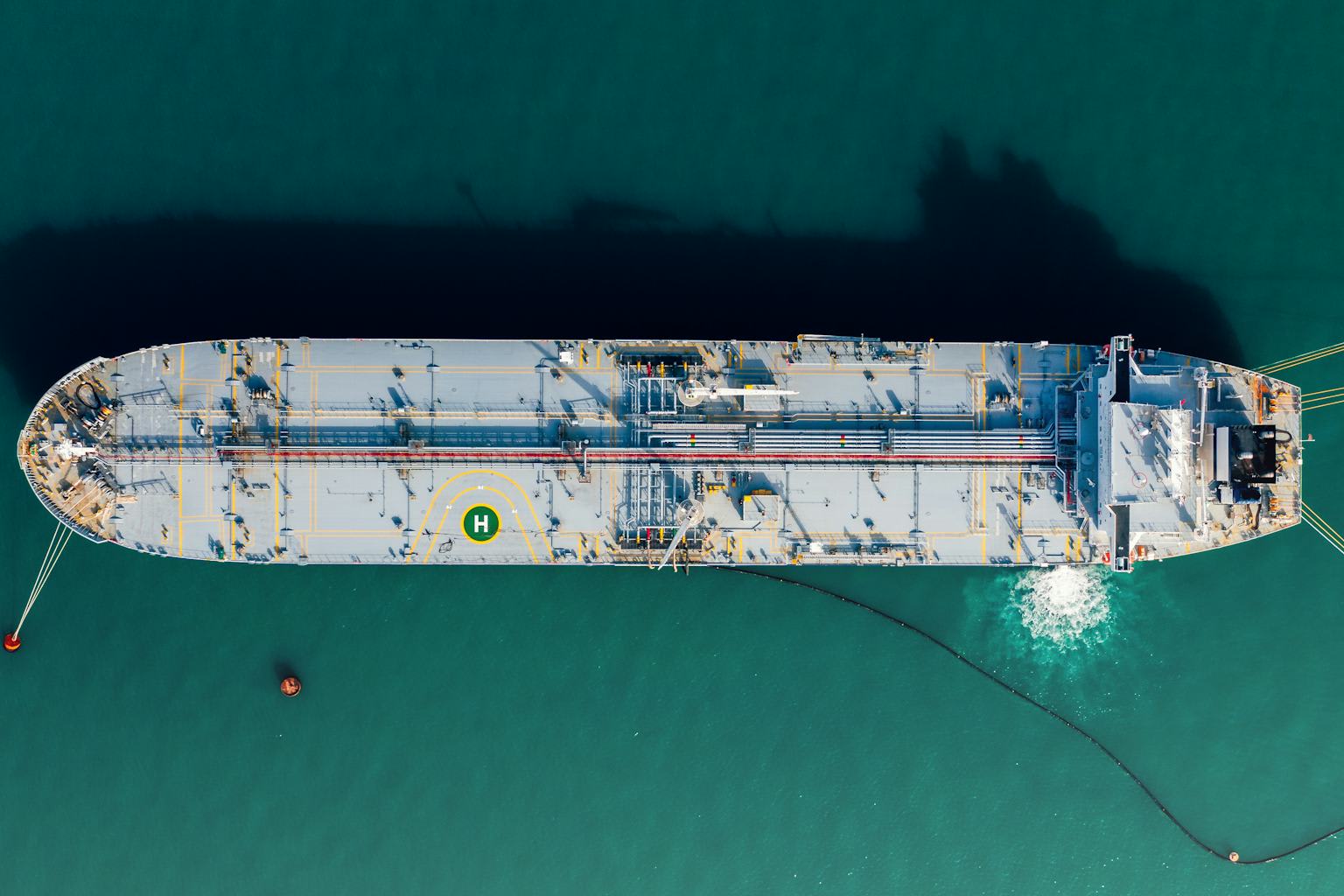
Crude oil prices have tumbled nearly 15% this week as the United States and Iran signed an interim peace agreement, but tanker stocks have defied the downturn, climbing on investor bets that elevated freight rates and shipping risk premiums will persist even as the commodity itself declines.
Frontline, Scorpio Tankers, and Teekay Tankers all posted gains this week even as Brent crude fell sharply following the U.S.-Iran framework agreement signed in Geneva on June 19. According to Benzinga, Frontline has surged nearly 89% year-to-date, far outpacing the United States Oil Fund, which has gained 65.7% over the same period.aljazeera
The divergence underscores a reality that shipping analysts have emphasized throughout the conflict: tanker companies profit from moving oil, not from its price. As Frontline CEO Lars Barstad told CNBC earlier this month, vessel traffic through the Strait of Hormuz would resume quickly once a stable agreement was reached, but the logistics of clearing a massive backlog would take far longer.cnbc
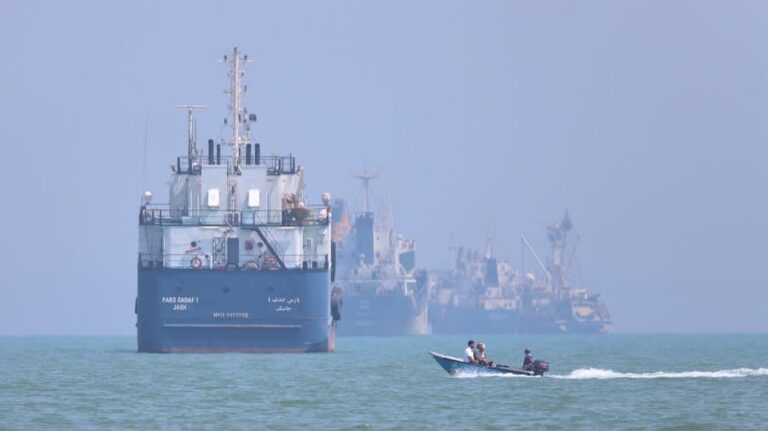
Despite the diplomatic breakthrough, the physical reality at the Strait of Hormuz remains constrained. Lloyd’s List estimated that approximately 550 merchant ships need to exit the Persian Gulf, including 160 tankers, 200 bulk carriers, and dozens of container vessels. As of June 17, only seven ships had transited the strait since the preliminary deal was announced on June 15, according to MarineTraffic data.clickorlando
Maersk has indicated it could take six to eight weeks to restore normal operations. Mines laid during the conflict remain a hazard, and shipowners have said they need insurance clearance and confirmation of an IRGC stand-down before moving vessels. CNBC reported that experts warned backlogs and security checks could delay normal shipping for weeks.dubaicargos
The result is that freight rates and war-risk insurance premiums remain elevated. S&P Global reported that Scorpio Tankers expects rates to surpass pre-war levels even as the strait reopens, citing refinery closures and supply chain dislocations. Frontline reported VLCC time charter equivalents of $107,100 per day in early 2026, more than triple typical pre-conflict rates.spglobal
Investors appear to believe the reopening will be gradual enough to sustain tanker earnings well into the second half of 2026. As Benzinga noted, “the market may be signaling that the next chapter of the energy trade is no longer about what’s in the barrel — it’s about how that barrel gets from point A to point B”.benzinga