







Newsletter Subscribe
Enter your email address below and subscribe to our newsletter

Enter your email address below and subscribe to our newsletter
All voices matter
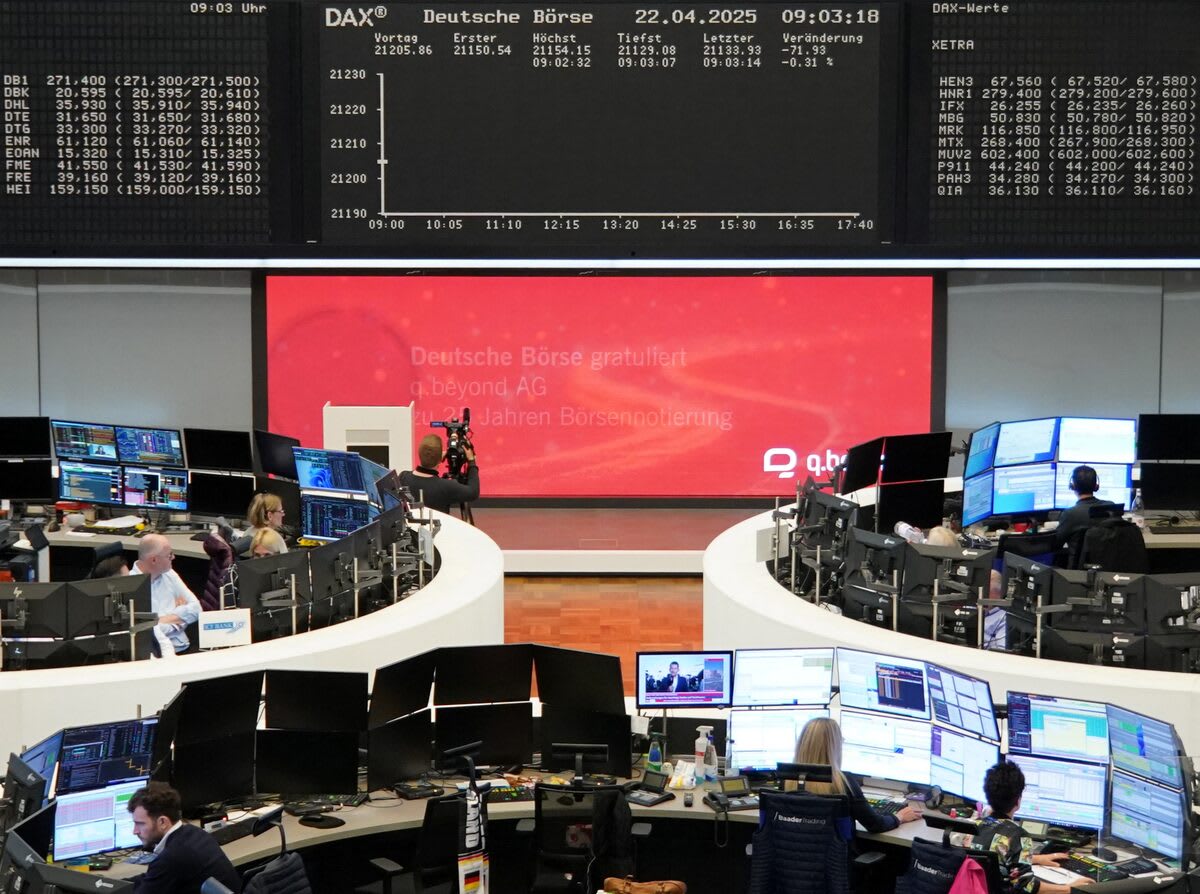
The STOXX Europe 600 reached an all-time high this week after the United States and Iran finalized a memorandum of understanding to end hostilities and reopen the Strait of Hormuz, a critical shipping lane through which roughly 20% of the world’s oil transited before the conflict began in late February. The deal sent a wave of relief through markets that had been weighed down by energy disruption fears since the war erupted.npr
President Donald Trump endorsed the 14-point agreement during the G7 summit in Evian-les-Bains, France, with the White House confirming it took effect on Wednesday. Under its terms, Iran pledged to ensure safe passage of commercial vessels through the strait for 60 days while demining operations proceed, and the U.S. began lifting its naval blockade on Iranian ports. Iran also reaffirmed its commitment not to develop nuclear weapons, while the U.S. agreed to a phased removal of sanctions and a $300 billion reconstruction framework.cnn
On Friday, brief confusion arose when an Iranian Revolutionary Guard Corps radio alert suggested the strait was closed, but Iran’s Foreign Ministry clarified that shipping was proceeding under Iranian supervision in compliance with the MOU.nypost
European luxury shares rallied on the initial news, with LVMH jumping as much as 3.2% and Hermès gaining 0.9% on June 15 as investors bet lower energy costs would support consumer spending. The STOXX 600 climbed 0.9% to 638.53 that day, eclipsing its pre-war record.usnews
Yet Bank of America is urging caution. In a note published Friday, the bank said European high-momentum stocks have outperformed low-momentum peers at an annualized rate of 40% so far in 2026 — the strongest momentum-driven rally in at least 20 years, extending gains of 30% in 2025 and 20% in 2024. BofA flagged semiconductors, capital goods, miners, and banks as the biggest beneficiaries of the momentum trade and recommended investors begin rotating into defensive sectors such as consumer staples and pharmaceuticals that have lagged behind.investing
The broader risk landscape remains fluid. The June Bank of America Global Fund Manager Survey showed that risk perception among investors has shifted from geopolitics back toward inflation and AI-related concerns, with managers cutting Eurozone equity positions even as they remain overweight global stocks. Meanwhile, the 60-day clock for a final US-Iran agreement has begun ticking, and negotiations over Iran’s nuclear program — initially expected to start this past weekend in Switzerland — have been postponed.cbsnews