






Newsletter Subscribe
Enter your email address below and subscribe to our newsletter

Enter your email address below and subscribe to our newsletter
All voices matter
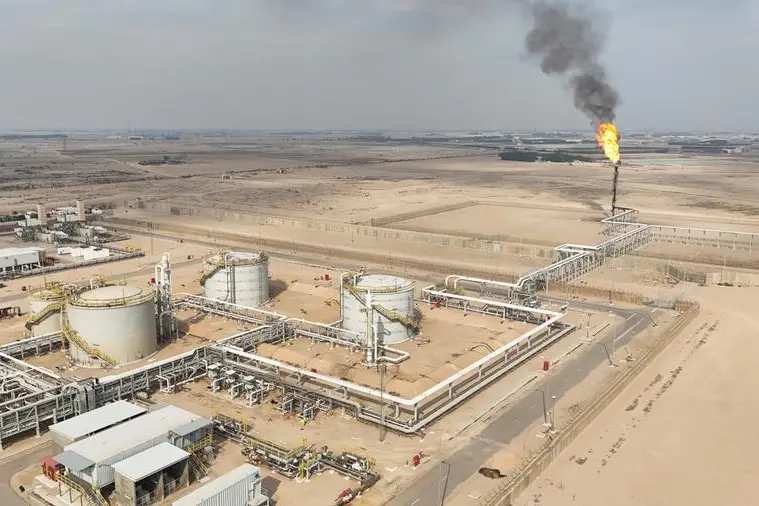
Iraq has raised crude oil production from its southern fields by 250,000 barrels per day to around 1.75 million bpd, with plans to push output to 2 million bpd within days, as the reopening of the Strait of Hormuz allows tankers to resume loading at the country’s Gulf ports, Iraqi oil officials told Reuters.aawsat
The Oil Ministry expects to restore southern field production to levels exceeding 3 million bpd within one to two months, Iraq’s state news agency reported on Friday, citing ministry spokesperson Saleem al-Rikabi.dawn
The production increase follows the US-Iran memorandum of understanding signed on Wednesday, which extended the ceasefire for 60 days and committed Iran to allowing “safe passage of commercial vessels without charge” through the Strait of Hormuz. The strait had been largely blocked since February 28, when the US and Israel initiated military strikes against Iran, crippling Iraq’s export capacity and forcing production cuts of more than 3 million bpd at its peak.nbcnews
Al-Rikabi said there was “no fixed timetable for restoring exports to previous levels because production capacity and reservoir conditions vary from one field to another”. The ministry is prioritizing fields producing associated gas, liquefied gas, and condensates, he added, noting that restoring export capacity and tanker activity will progress alongside production recovery.devdiscourse
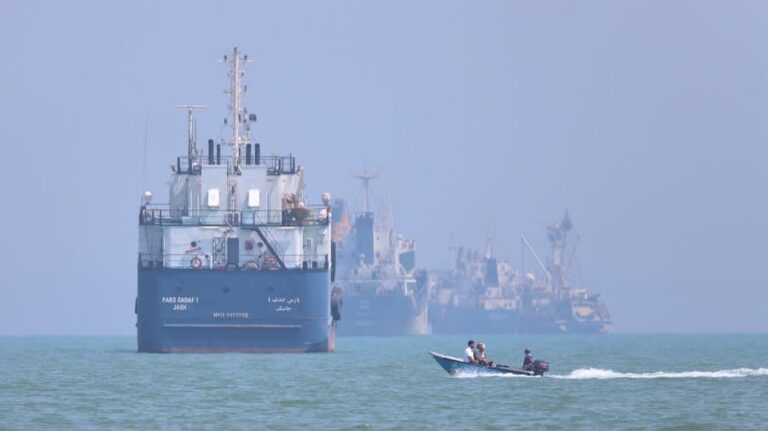
Two oil tankers — one Greek, one Emirati — began loading approximately 4 million barrels of Iraqi crude at southern Basra ports as part of the restart of exports following the deal. The loadings mark a turning point for OPEC’s second-largest producer, which saw output plummet from pre-war levels of around 4.5 million bpd to as low as 800,000-900,000 bpd during the worst of the crisis in March.reuters
Iraq is also diversifying its export routes. Reuters reported on Thursday that Baghdad is preparing to send crude oil and naphtha through Syrian ports, with shipments of about 50,000 bpd expected to begin in early July via the Mediterranean port of Baniyas.reuters
Oil prices retreated after the US-Iran deal took effect, with futures rallying on expectations that Gulf supply disruptions would ease. The International Energy Agency has projected the world oil market will recover gradually from the Hormuz closure before tipping into a supply surplus in 2027, with global supply set to surge by 8 million bpd against demand growth of just 2 million bpd.youtube
U.S. Central Command confirmed Thursday that American forces have ended their blockade on vessels navigating to and from Iranian ports, while the U.S. Navy will maintain a regional presence to ensure compliance.npr