






Newsletter Subscribe
Enter your email address below and subscribe to our newsletter

Enter your email address below and subscribe to our newsletter
All voices matter
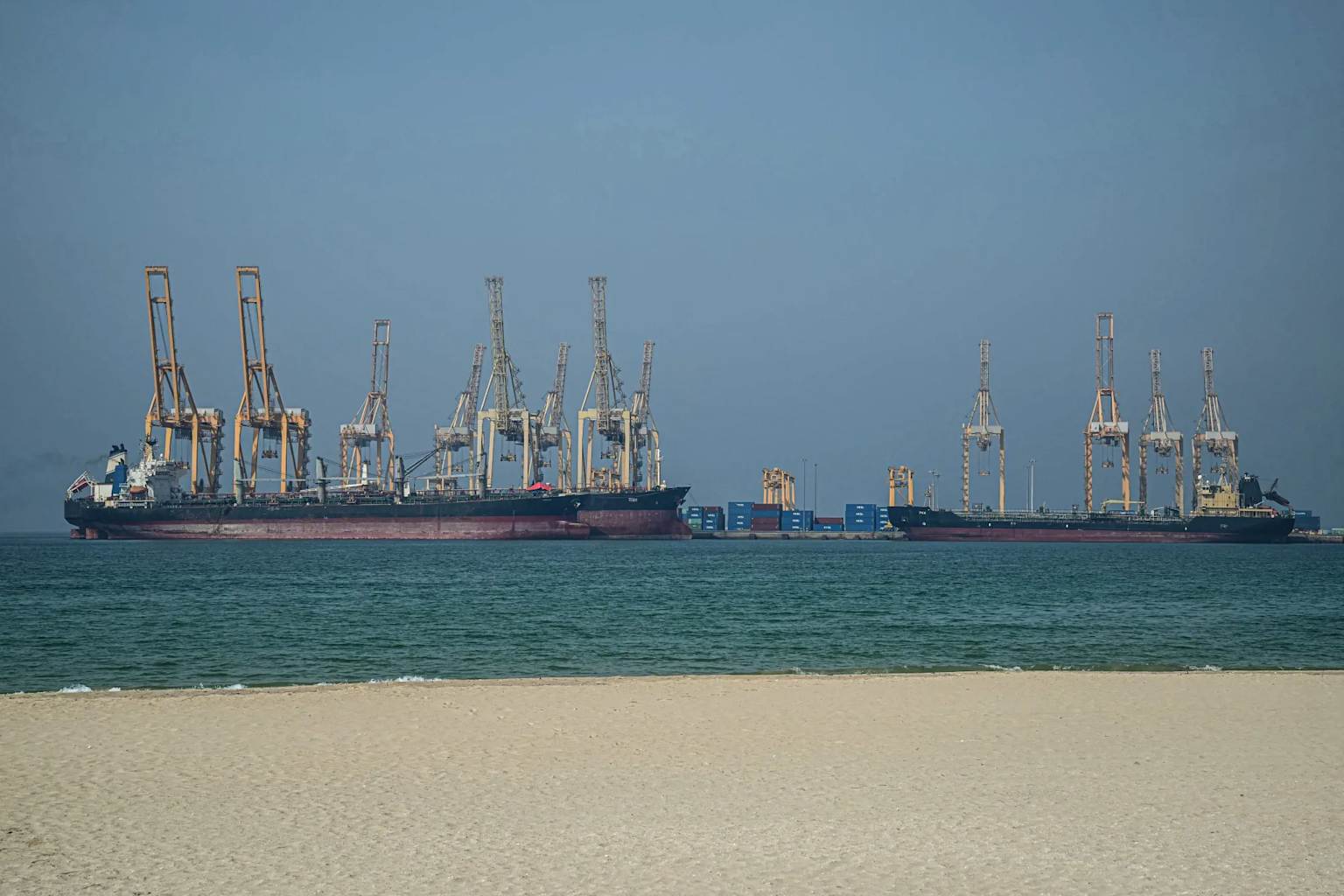
Worldwide fertilizer transport volumes have fallen 11% year-on-year since the start of the Iran war, according to BIMCO, as the closure of the Strait of Hormuz choked off exports from one of the world’s most important fertilizer-producing regions. The US-Iran ceasefire deal announced this month may offer a path to recovery, but damage to key production facilities means a full rebound remains uncertain.
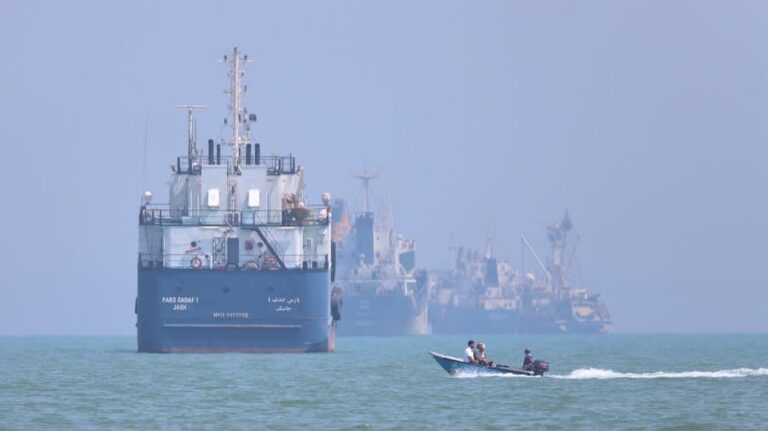
Under normal conditions, 16% of global fertilizer shipments originate in the Persian Gulf and transit through the Strait of Hormuz. With the strait effectively closed during the conflict, phosphates, urea, and sulphur have seen the steepest declines — falling 28%, 12%, and 30% year-on-year respectively, according to Filipe Gouveia, Shipping Analysis Manager at BIMCO.marinelink
The disruption has cascaded through supply chains. Sulphur is a critical input for phosphate production, and major exporters including Morocco and China depend on imported supplies. Natural gas, used to produce urea, has also been constrained, with global LNG shipments dropping 7% year-on-year since the war began. Fertilizer prices have risen broadly, though urea prices have partially eased after China issued new export quotas.marinelink
The ceasefire agreement between the US and Iran gives negotiators 60 days to reach a permanent truce. Under the deal, the US has committed to end its naval blockade within 30 days, while Iran will facilitate safe commercial passage through the strait for 60 days.marinelink
At least 30 ships already laden with fertilizer cargoes sit waiting in the Persian Gulf, and 70 vessels in ballast could load additional cargo once the strait reopens. Pent-up demand is expected to drive an initial surge in exports.marinelink
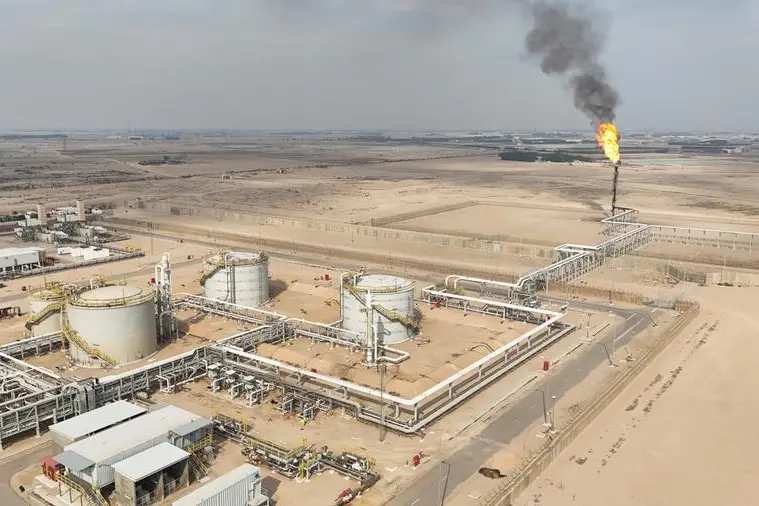
While direct damage to production facilities in the region has been limited, Qatar and the UAE face longer-term constraints. Qatar’s Ras Laffan facility is expected to operate at only 50–80% capacity in the coming months, and the UAE’s Habshan complex is projected to remain below 80% capacity through the end of 2026, owing to damage sustained by gas fields and refineries.marinelink
The supramax and handysize dry bulk segments have absorbed the brunt of the fertilizer trade losses, with volumes in those categories falling 13% and 7% year-on-year. Fertilizers account for 11% of supramax demand and 13% of handysize demand. Still, overall dry bulk rates have held up, supported by higher grain shipments and stronger conditions in larger vessel classes.marinelink