Newsletter Subscribe
Enter your email address below and subscribe to our newsletter

Enter your email address below and subscribe to our newsletter
All voices matter
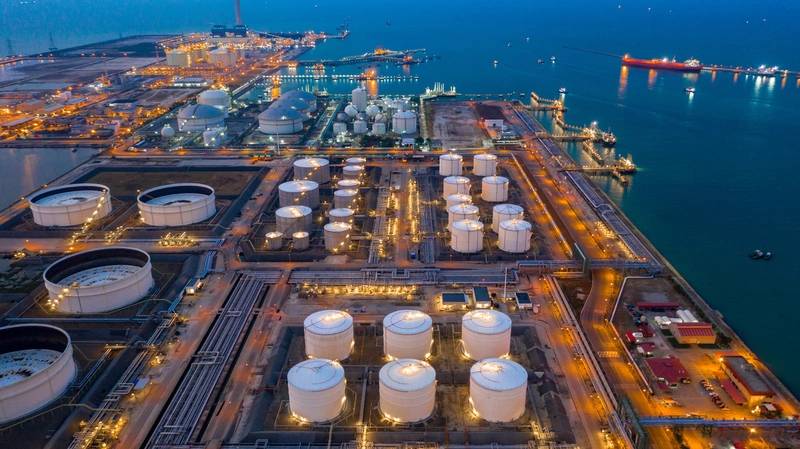
The signing of an interim U.S.-Iran deal this week has set the stage for the Strait of Hormuz to reopen, but Indian and East Asian refiners are in no hurry to resume large-scale Middle Eastern crude purchases — even as Gulf producers push to offload millions of barrels of stranded oil.
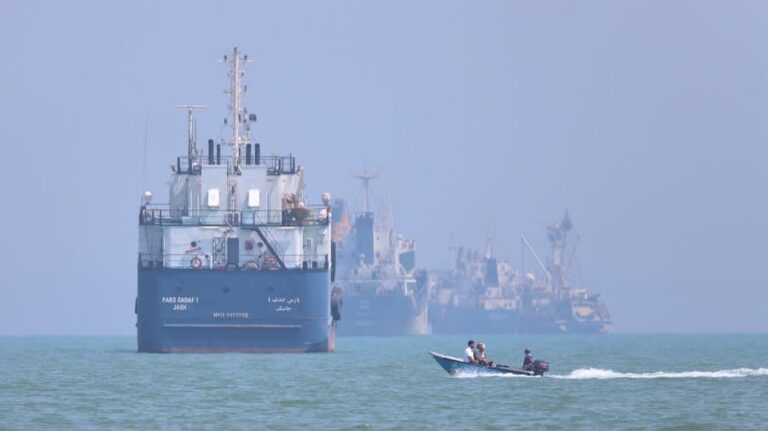
Around 31 supertankers capable of carrying roughly 62 million barrels of crude remain trapped inside the Persian Gulf and are poised to sail once the strait fully reopens, according to Signal Group data cited by Bloomberg. Kpler analyst Muyu Xu estimated that reopening could release approximately 93 million barrels of non-Iranian oil stranded in the Gulf. Yet Asian refiners have already locked in cargoes for June through August from alternative suppliers in Latin America, Africa, and the United States, and many have cut processing rates as high fuel prices curbed demand.straitstimes
Abu Dhabi National Oil Company has sold at least 30 million barrels of spot crude to Asian buyers this month, including 6 million barrels combined to Indian Oil Corporation and Bharat Petroleum, with cargoes priced at parity or slight premiums to Dubai benchmarks and delivered via ship-to-ship transfers at Fujairah. Indian state refiners, however, have not signaled plans to ramp up Gulf purchases beyond these opportunistic buys. India’s crude import volumes stood at 4.57 million barrels per day in April, down 15.5% year-on-year, as refiners diversified toward Venezuelan, Brazilian, Angolan, and Nigerian supply, according to Reuters.reuters
India’s energy import bill reached approximately $18.7 billion in May, up nearly 82% from $10.3 billion a year earlier, driven by premium prices for non-Gulf crude, according to preliminary oil ministry data. The net import bill climbed to $17.5 billion, a 75% year-on-year jump, as reported by PSU Watch. War risk insurance premiums for Persian Gulf transits, while down from their peak of 2.5% of hull value in March, remained at around 1% — still four times pre-war levels, according to maritime insurance executives. These costs, combined with elevated tanker rates after months of tight vessel availability, mean that the delivered price of Gulf crude remains unattractive for many Asian buyers.yahoo
South Korean refiners have been ramping up fuel exports in anticipation of a price decline once Gulf supply floods the market. South Korea’s jet fuel exports hit a nine-month high of 1.14 million metric tons in May, according to Vortexa data. At least one South Korean refiner was offering larger-than-usual volumes of diesel and jet fuel for sale this week, traders told Bloomberg. Goldman Sachs analysts said they now assume Persian Gulf exports will normalize to pre-war levels by the end of July, but ADNOC CEO Sultan Al Jaber has previously cautioned that full oil flows may not return before 2027. Only a handful of ships have crossed the strait since Sunday’s agreement, and analysts at Kpler told the New York Post that clearing the backlog alone could take 30 days, with a full return to normalcy requiring at least eight weeks.nypost