







Newsletter Subscribe
Enter your email address below and subscribe to our newsletter

Enter your email address below and subscribe to our newsletter
All voices matter
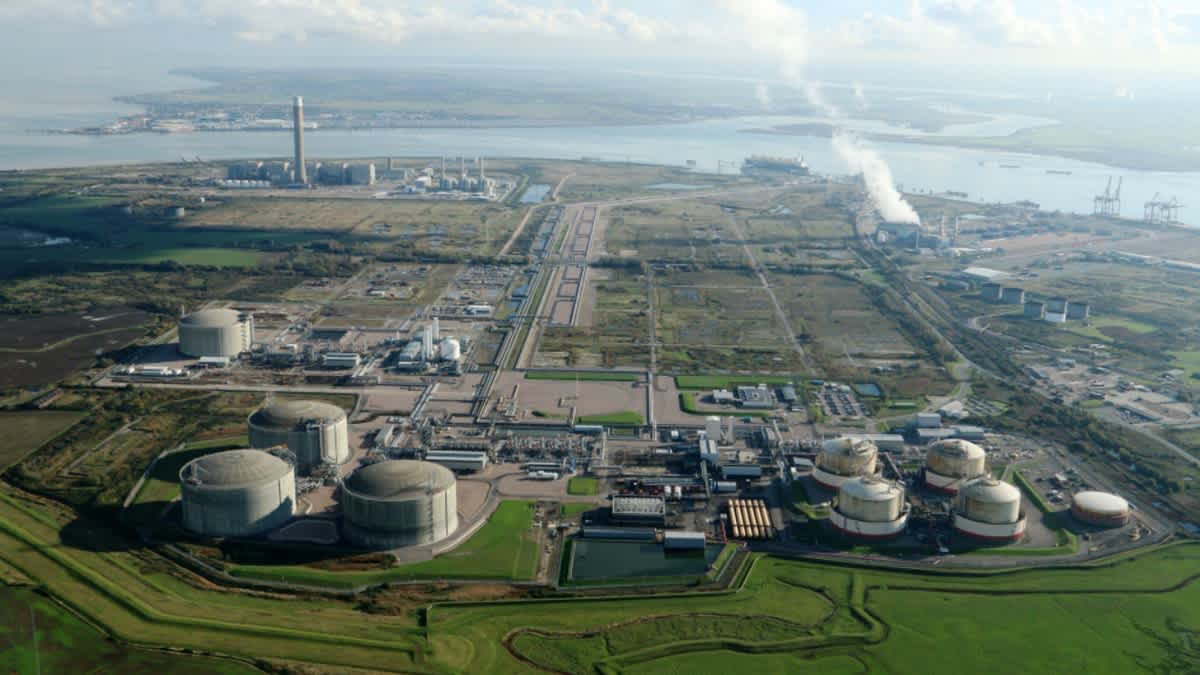
European natural gas futures snapped a six-session losing streak on Friday after the cancellation of planned U.S.-Iran talks in Switzerland and renewed Israeli military strikes in Lebanon rattled energy markets, prompting traders to reprice geopolitical risk across the continent’s key benchmarks.
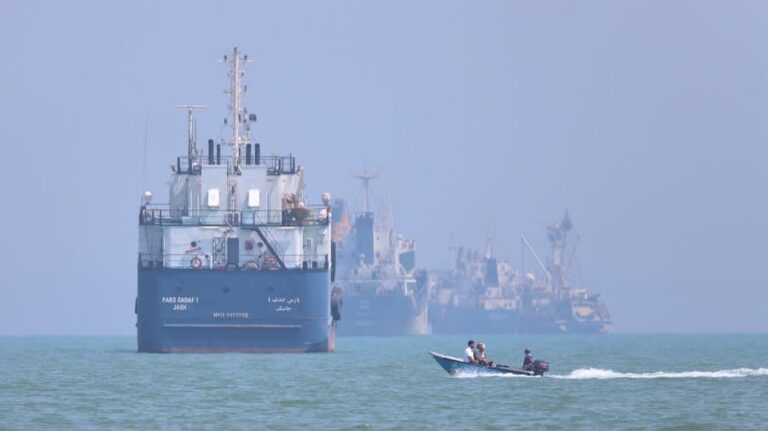
The front-month Dutch TTF contract, Europe’s primary gas benchmark, rose more than 3% to around €41.9 per megawatt-hour, while the British gas contract gained 3.8% to 100.38 pence per therm, recovering from near two-month lows hit a day earlier. The rebound follows a week in which TTF prices dropped more than 11% after the United States and Iran announced a preliminary framework agreement on June 14 that promised to reopen the Strait of Hormuz and extend a fragile ceasefire by 60 days.oilprice
The reversal was triggered by Switzerland’s announcement that Friday’s discussions between U.S. and Iranian representatives would not proceed as planned. Vice President JD Vance, who was expected to lead the American delegation at the Burgenstock venue, canceled his travel plans on Thursday evening, with the White House citing logistical challenges. Iran’s Supreme Leader Ali Khamenei had previously indicated “challenges ahead” for negotiations.reuters
Compounding market anxiety, the Israeli military struck targets across southern Lebanon overnight, with Hezbollah reporting fierce combat in the region. The escalation directly contravenes the preliminary U.S.-Iran accord, which calls for a cessation of military activities “on all fronts, including in Lebanon” and respect for Lebanese territorial integrity. Later on Friday, multiple sources indicated that Israel and Hezbollah had agreed to renew a ceasefire starting at 4 p.m. local time, mediated by the United States, Qatar, and Iran.apnews
Implementation of the broader deal remains incomplete. According to diplomatic sources, articles covering territorial integrity, the lifting of the U.S. blockade, sanctions waivers, and unfreezing of Iranian funds have yet to be fulfilled, with the 60-day clock nearing expiration.youtube
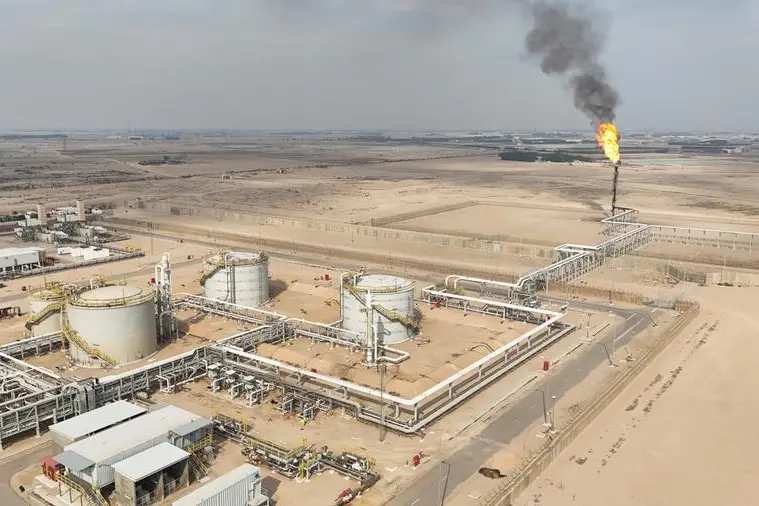
The geopolitical turbulence comes against a backdrop of depleted European gas inventories. At the end of May, EU gas storage sites were 40.5% full — approximately 14 percentage points below the five-year average for that time of year and down from 48.3% a year earlier, according to data from Gas Infrastructure Europe. Europe entered the 2026 injection season with its lowest storage level since 2018, at roughly 31 billion cubic meters, after disruptions to LNG shipping through the Strait of Hormuz sharply curtailed winter deliveries.caliber
Analysts warn the combination of low inventories and unresolved geopolitical risk could make for a tight winter. S&P Global noted on June 15 that the Iran deal offers “welcome but limited immediate relief” to European gas and LNG markets amid logistical hurdles.spglobal