







Newsletter Subscribe
Enter your email address below and subscribe to our newsletter

Enter your email address below and subscribe to our newsletter
All voices matter
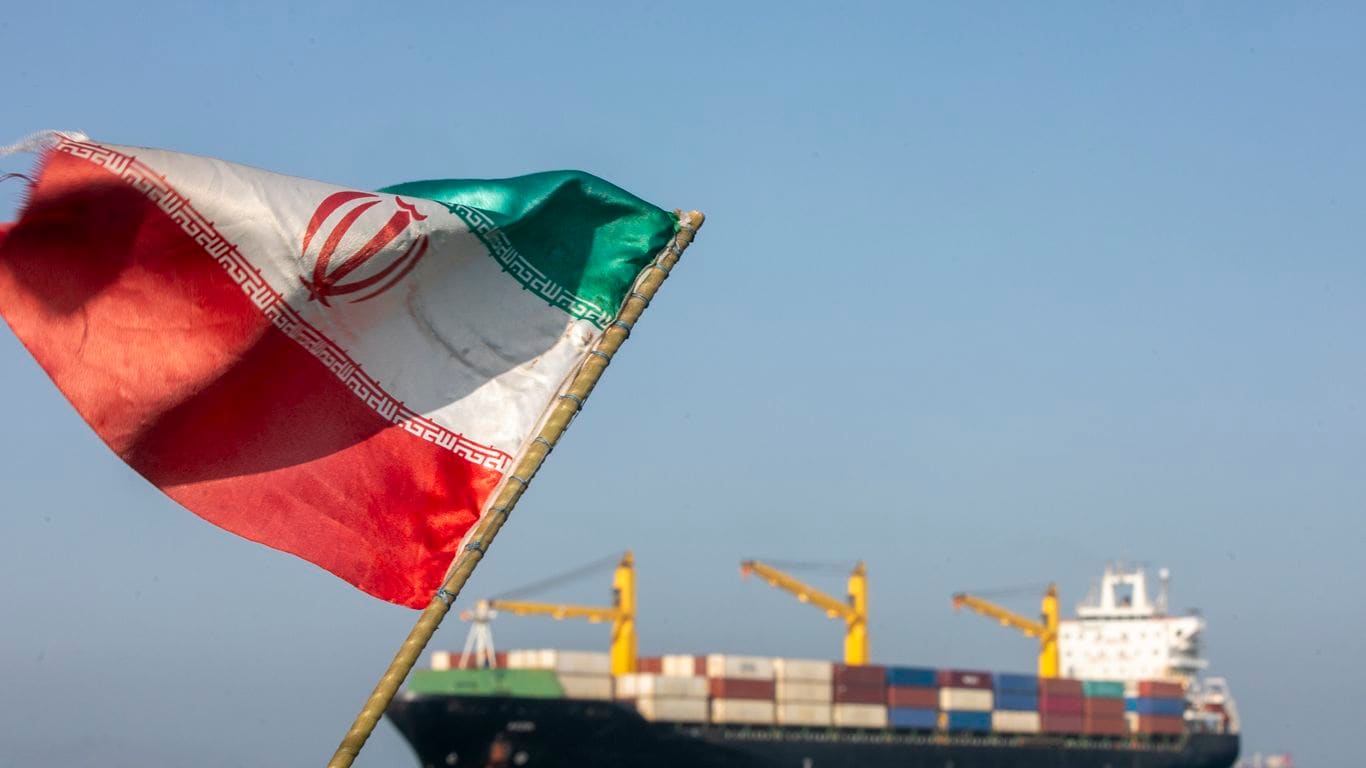
Oil prices plunged to their lowest levels since early March this week after the United States and Iran signed an interim agreement extending a ceasefire by 60 days and reopening the Strait of Hormuz to maritime traffic — only for markets to reverse course on Friday when scheduled peace talks in Switzerland were abruptly called off.
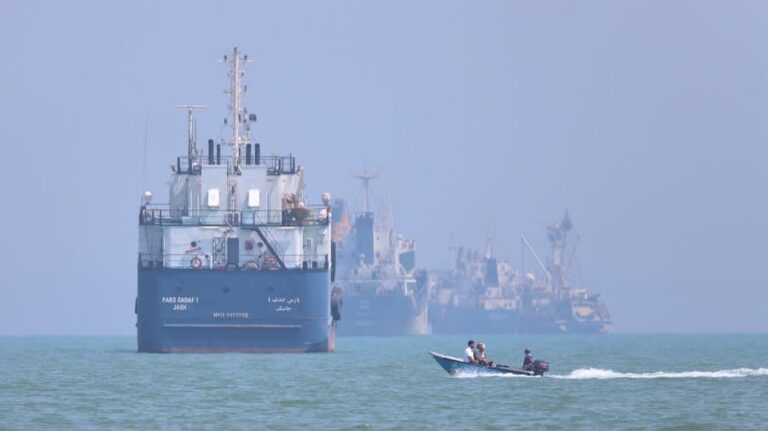
The memorandum of understanding, signed Wednesday by President Donald Trump and Iranian President Masoud Pezeshkian during the G7 summit in Evian-les-Bains, France, established a 60-day negotiating window covering Iran’s nuclear program and broader regional security issues. Supertankers began transiting the strait on Thursday as the agreement took effect, though traffic remains well below prewar levels of 120–130 daily transits, with an estimated 500 vessels still waiting to exit the Gulf.anewz
Brent crude dropped to $78.24 per barrel on Wednesday — its lowest since March 3, shortly after the US and Israel launched military operations against Iran on February 28. WTI crude fell to $76.60 on Thursday. The declines came from dramatically elevated levels; Brent had surged over 50 percent during the nearly four-month conflict and was still trading above $92 as recently as June 9.reuters
Kuwait announced plans to increase production to 2 million barrels per day within a week of the strait’s reopening, while Kuwait Petroleum Corporation previously said the country could restore 70 percent of its oil output within six to eight weeks. Seven OPEC+ nations had already agreed to raise output by 188,000 barrels per day in June.aawsat
The International Energy Agency added to bearish sentiment, projecting that the oil market would face a supply surplus in 2027, with global output expected to rise far faster than demand.reuters
Markets’ cautious optimism proved short-lived. Switzerland’s foreign ministry confirmed Friday morning that US-Iran technical talks at the Bürgenstock resort would not proceed as scheduled. Vice President JD Vance, who was to lead the US delegation, canceled his travel plans late Thursday night, with the White House citing logistical difficulties.reuters
The postponement followed Vance’s public warning to Israel against further attacks on Iran-backed Hezbollah in Lebanon, which had already raised doubts about the ceasefire’s durability. By Friday morning, Brent had climbed back above $80, rising 0.65 percent after earlier losses.aljazeera
Iran’s Supreme Leader Ali Khamenei has signaled that challenges lie ahead for peace negotiations, and the 60-day clock is now ticking without a clear date for talks to resume. As one analyst noted, even if hostilities end permanently, a full recovery of global energy flows could take months.aljazeera