







Newsletter Subscribe
Enter your email address below and subscribe to our newsletter

Enter your email address below and subscribe to our newsletter
All voices matter
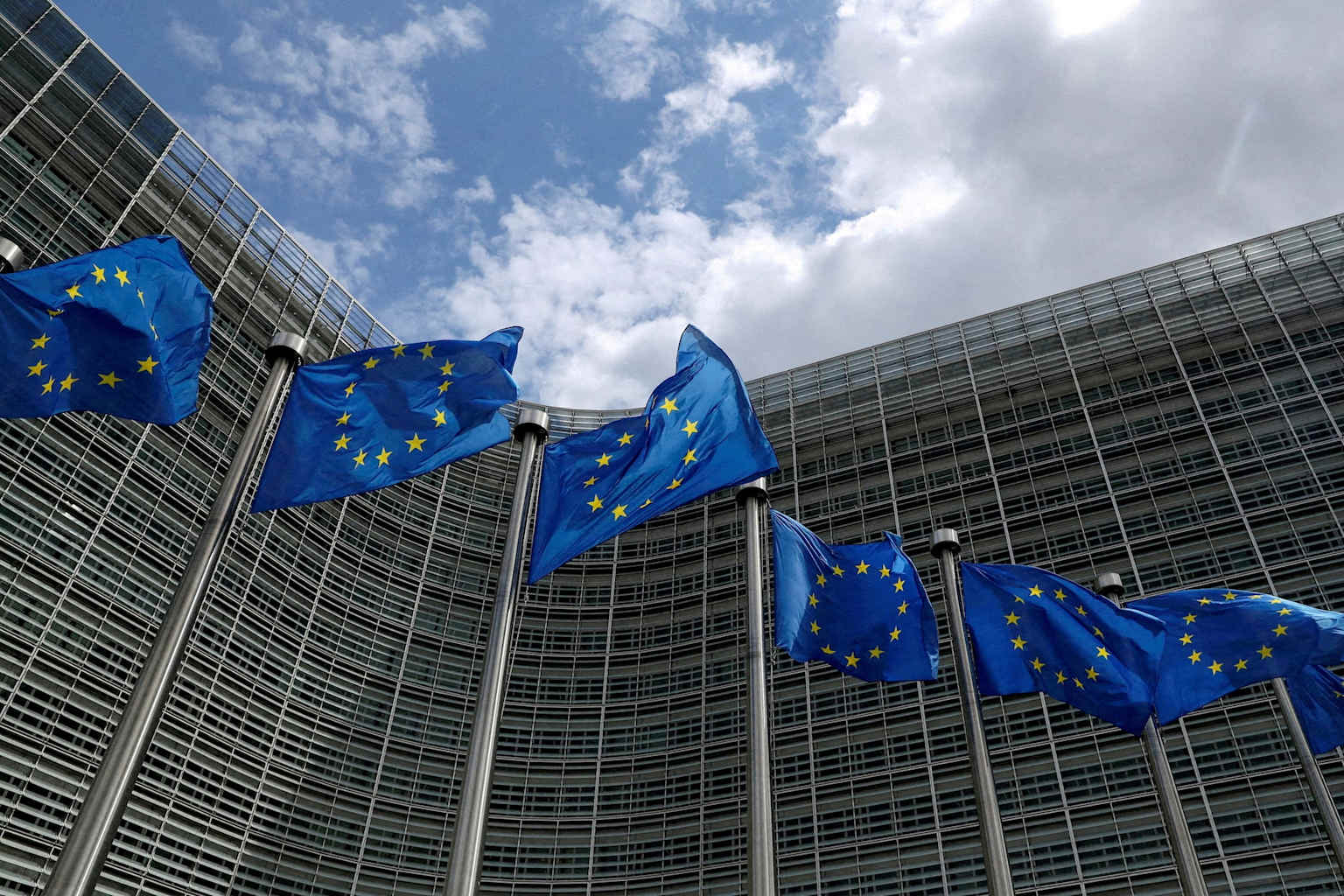
The European Commission is preparing to dismantle longstanding barriers that prevent banks from moving capital freely across EU member states, according to a draft report first reported by the Financial Times on Thursday. The move is part of a broader push to boost the competitiveness of European lenders against their U.S. rivals.ft
The draft report, which is due to be formally presented on July 15, would give supervisors of cross-border banking groups greater powers to ensure capital and liquidity are allocated more efficiently across borders. It also envisions simplifying capital and reporting requirements for banks operating in multiple EU countries, and proposes revising the bloc’s deposit insurance framework to facilitate cross-border operations.mlex
The reforms address a persistent complaint from European banks: that more than €225 billion in capital remains effectively trapped within national borders due to insufficient cross-border waivers and an incomplete Banking Union. The Financial Times reported that the changes could also provide relief on mortgages and loans to unrated companies.leodex
The draft culminates months of groundwork. The European Commission launched a targeted consultation on banking competitiveness in February, and the European Central Bank called for unrestricted capital and liquidity movement within euro-area banking groups at its Governing Council meeting in April. On June 6, France, Italy, and Spain issued a joint statement supporting a voluntary framework for cross-border banking, though Germany was notably absent.europa
Just days before the draft surfaced, the European Banking Authority on June 16 published its own proposals for simplifying the capital framework without weakening resilience, and EU Competition Commissioner Teresa Ribera released revised merger guidelines that prioritize cross-border bank consolidation.leodex
Despite the momentum, the absence of a common EU deposit insurance scheme remains a key stumbling block. Germany’s reluctance to endorse freer capital flows — visible in its absence from the June 6 joint statement — reflects deeper divisions among member states over risk-sharing. Any legislative changes will require review by the European Parliament and Council, a process that could take years.leodex