





Newsletter Subscribe
Enter your email address below and subscribe to our newsletter

Enter your email address below and subscribe to our newsletter
All voices matter
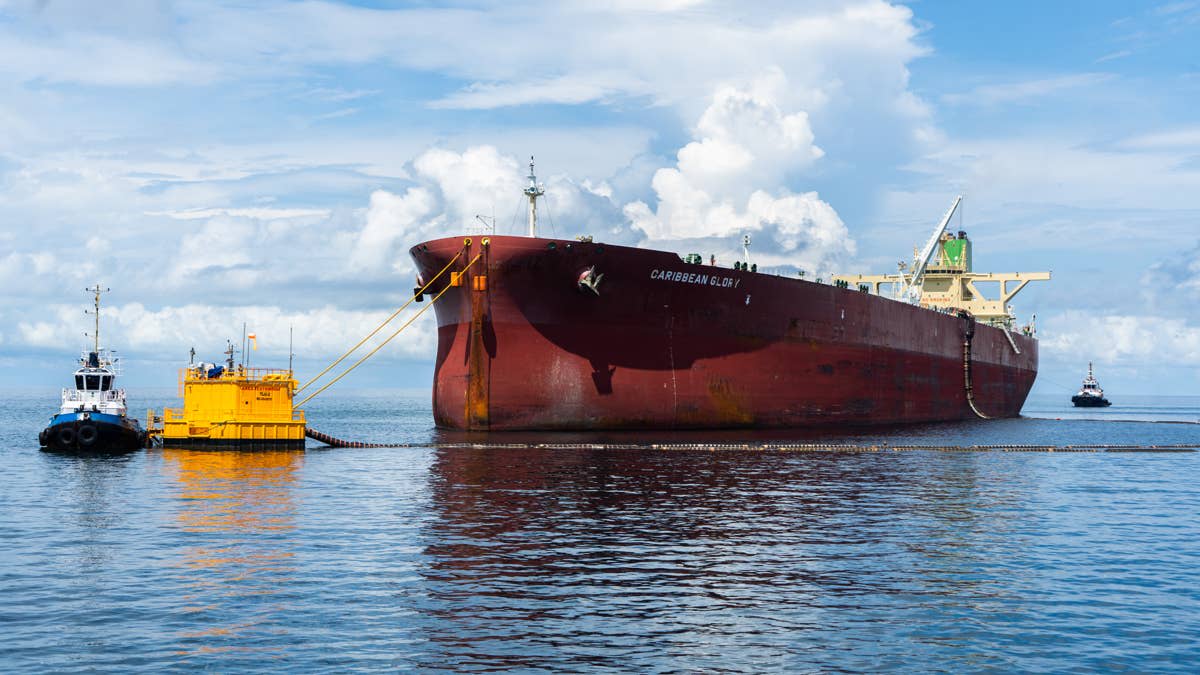
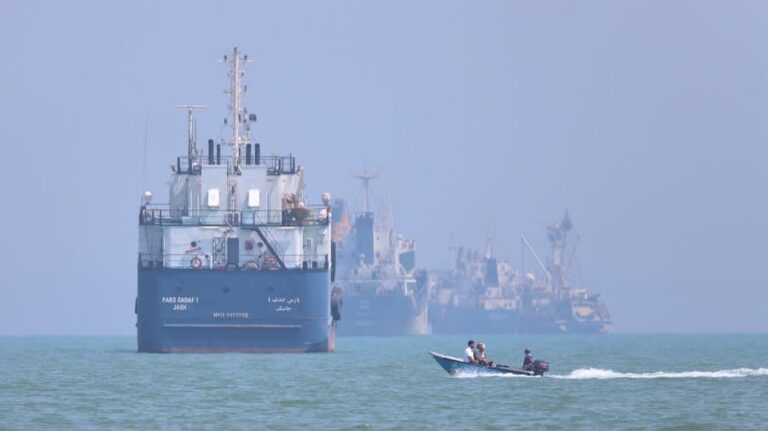
The Strait of Hormuz may be on the verge of formally reopening, but shipping analysts and major Wall Street banks are warning that a return to normal traffic through the world’s most critical oil chokepoint will take months, not days — even after a peace deal is signed.
The US-Iran memorandum of understanding, announced on June 13 and set to be formally signed in Geneva on June 19 with Pakistan serving as mediator, will lift the American naval blockade on Iranian ports and authorize mine-clearance operations. But the physical challenges of restoring a waterway that has been effectively closed for more than 100 days remain daunting.business-standard
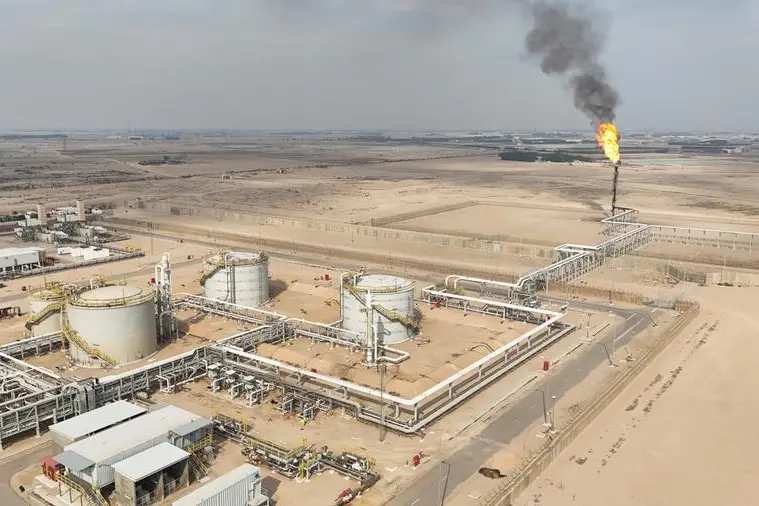
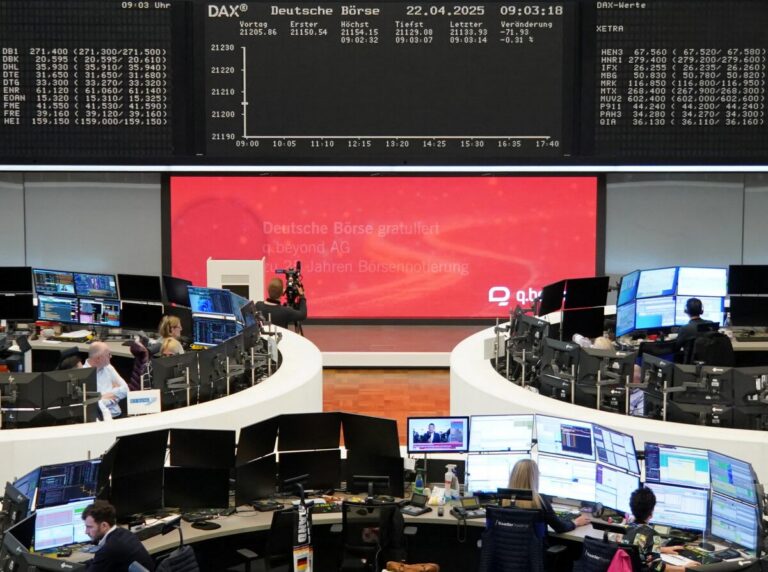
Goldman Sachs cut its oil price forecasts this week, now projecting Persian Gulf exports will normalize to pre-war levels by end of July — one month earlier than its previous estimate — with full production recovery anticipated by October. The bank estimates normalization could require a 12-million-barrel-per-day increase in Hormuz flows, bringing output to approximately 70% of pre-war volumes.cnbc
BNP Paribas said even in a best-case scenario it would take several months for flows to normalize, while Bank of America warned that mine-clearing operations would “likely take months, not days” and that oil markets could remain in deficit until the fourth quarter of 2026. The Pentagon estimates mine-clearance alone could take up to six months, even with three dedicated minesweeping vessels already in the region.bairdmaritime
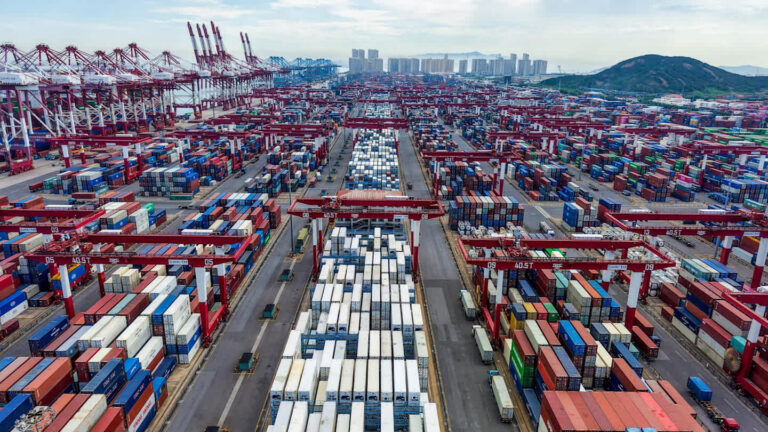
Shipping data firm Kpler estimates daily transits may rise to around 40 vessels within the first month — less than half the pre-war average of 100. An estimated 118 tankers remain stranded in the Persian Gulf awaiting safe corridor verification.business-standard
War-risk insurance premiums remain a major obstacle. Rates surged from about 0.25% of a vessel’s value before the conflict to between 2% and 6% in recent months, with some quotes reaching as high as 10%. For a tanker worth $100 million, that translates to millions of dollars in additional costs per voyage.chosun
The Lloyd’s Market Association clarified in a statement that “the reason ships are not moving is not through a lack of insurance; it is a question of the risk to crew and vessel safety being assessed by the ship masters and owners as too high”. The association noted that 88% of surveyed Lloyd’s marine war market participants continue to have appetite to underwrite hull war risks.lmalloyds
BBC Verify’s analysis of marine traffic data shows just seven vessels have passed through the Strait since the deal was announced. Maritime security officials told Reuters that mine-sweeping activities may continue for 40 to 50 days before insurers and shipping companies feel confident enough to allow routine passage.youtube
Lombard Odier assessed that while about half of flows should return in coming weeks — enough to avoid damaging shortages — full replenishment of oil reserves “will take time, lasting well into 2027”.lombardodier