Newsletter Subscribe
Enter your email address below and subscribe to our newsletter

Enter your email address below and subscribe to our newsletter
All voices matter
Central banks across the world delivered a flurry of monetary policy decisions on Thursday, with several raising interest rates to combat inflation fueled by elevated energy prices stemming from the conflict involving Iran, while others held firm and signaled vigilance.
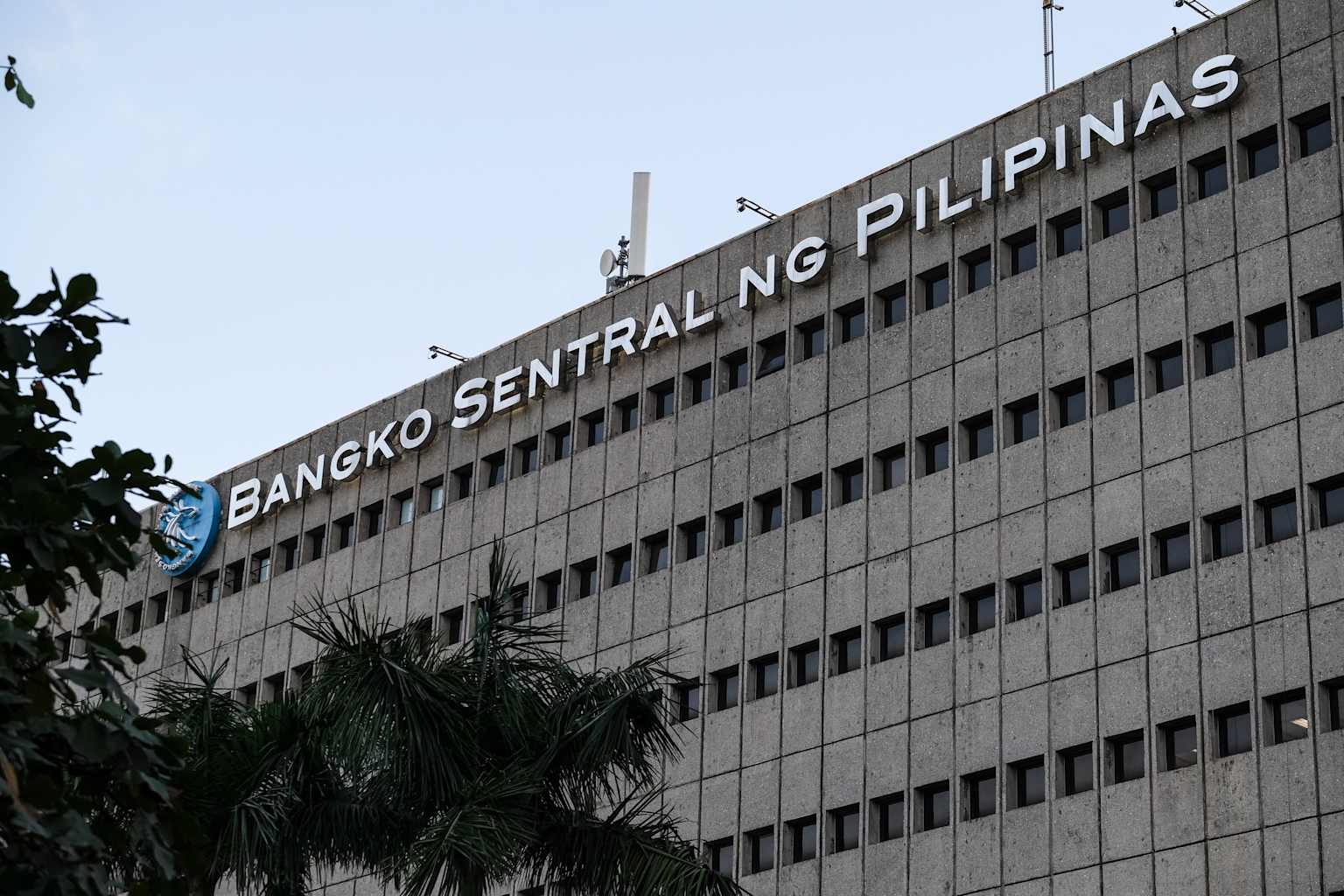
The Bangko Sentral ng Pilipinas raised its benchmark reverse repurchase rate by 25 basis points to 4.75%, marking its second consecutive hike this year after a similar increase in April. The central bank cited “strong” inflationary pressures driven by global oil and fertilizer prices, projecting that headline inflation would exceed its 4% tolerance threshold through 2027. Philippine inflation stood at 6.8% in May, well above the BSP’s 2-to-4% target range.philstar
The Czech National Bank also raised its two-week repo rate by 25 basis points to 3.75%, ending a period of holding steady at 3.5%. The move followed weeks of debate among board members, with CNB member Jan Prochazka telling Reuters ahead of the meeting that the decision was “50-50” between a hike and no change.reuters
Moldova’s central bank delivered the most aggressive action of the day, raising its benchmark rate by 500 basis points to 7% — the highest since May 2023 — as headline inflation climbed to 6.8%, above the upper limit of its target range.tradingview
The Swiss National Bank left its policy rate unchanged at 0%, the lowest globally, as a stronger Swiss franc helped offset the energy price surge. All 35 economists in a Reuters poll had forecast no change, and the SNB is expected to remain on hold through the rest of 2026.reuters
Taiwan’s central bank maintained its benchmark discount rate at 2% for a ninth straight quarter, though Governor Yang Chin-long struck a hawkish tone, noting that two board members had advocated for a hike amid rising inflation concerns. The bank raised its consumer price forecast for the year to 1.91% as inflation crossed the 2% threshold in May for the first time in a year.reuters
In Europe, ECB Chief Economist Philip Lane warned on Monday that the central bank would maintain a “proactive” stance against inflation even after a recent dip in oil prices following a U.S.-Iran agreement. Lane told Nikkei that the ECB would likely raise its inflation forecast in its June projections, noting that oil prices “are likely to remain elevated for longer compared with our March assumptions”. Markets are pricing in at least one more ECB rate increase this year.investing
The coordinated wave of decisions underscores how the energy shock from the Middle East conflict continues to ripple through economies at vastly different stages of development, forcing policymakers to weigh inflation risks against slowing growth.