Newsletter Subscribe
Enter your email address below and subscribe to our newsletter

Enter your email address below and subscribe to our newsletter
All voices matter
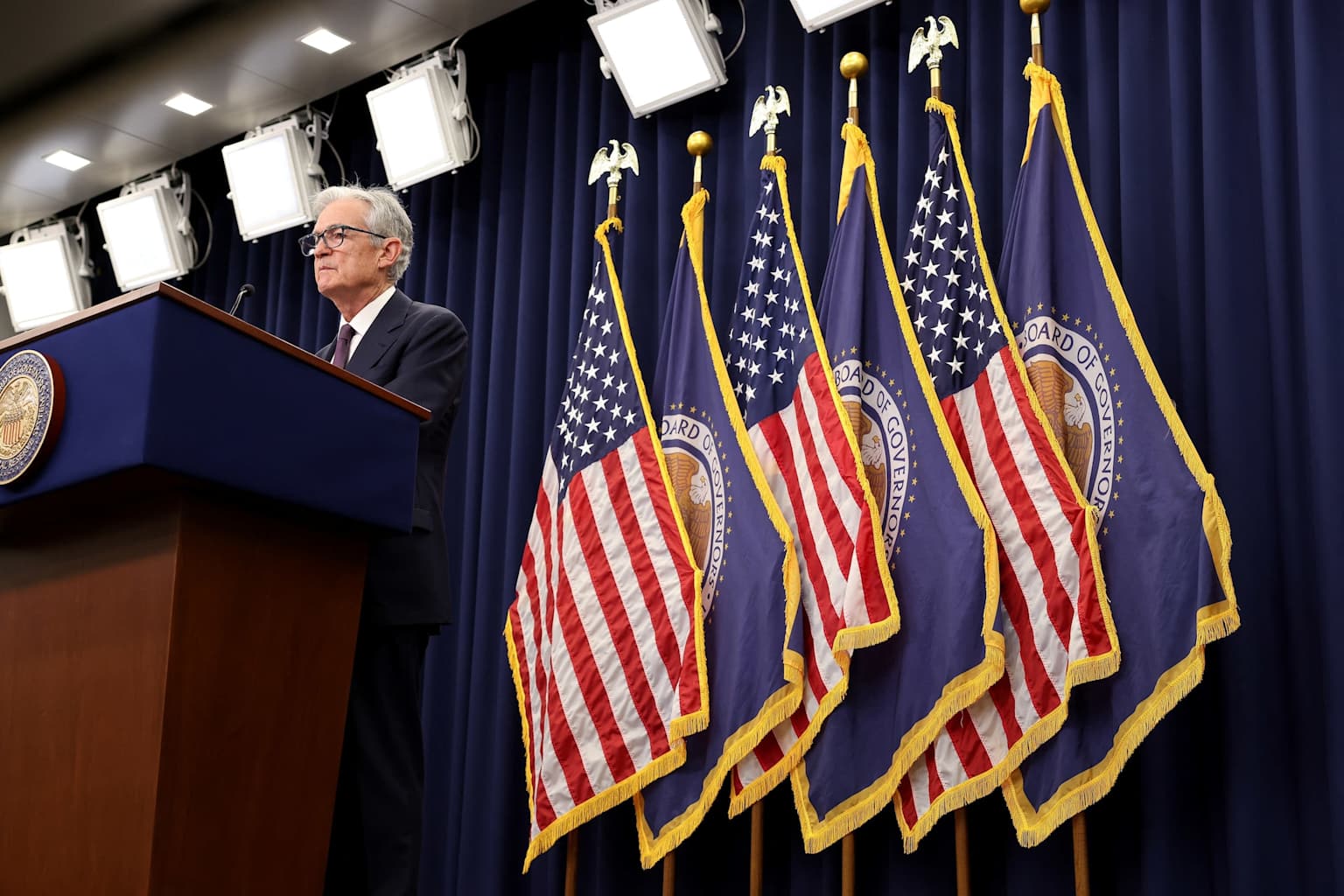
Most Latin American currencies and stocks declined on Wednesday as investors digested hawkish policy cues from the U.S. Federal Reserve, which held interest rates steady but signaled the possibility of hikes ahead under new Chair Kevin Warsh.
The Federal Reserve held its benchmark rate at 3.50%–3.75% at the June 16–17 meeting — Warsh’s first as chair — but delivered a hawkish surprise through its updated Summary of Economic Projections. Nine of 18 officials now project at least one rate hike before the end of 2026, a stark reversal from the March dot plot, which had signaled a rate cut. The median year-end rate forecast rose to 3.8% from 3.4% in March, implying one 25-basis-point increase from current levels.usnews
Goldman Sachs and JPMorgan Chase characterized the outcome as clearly hawkish and more aggressive than markets had expected. The Wall Street Journal reported that the Fed “strongly signaled that the next move could be a rate hike”.sedaily
The dollar index surged to an over two-month high following the decision, pressuring emerging-market currencies across the region. The MSCI index tracking Latin American currencies fell 0.6%, while its stocks counterpart lost 0.9%, according to Reuters.globalbankingandfinance
Mexico’s peso was the hardest hit, dropping 1.2% and on track for its largest single-day decline in over a week. Brazil’s real weakened 0.55%, while the Bovespa declined 0.75%, dragged lower by a 2.4% drop in miner Vale. Colombia’s peso fell nearly 1%, and Chile’s peso slid 0.57%.usnews
Argentina bucked the regional trend, with its MerVal stock index rising 0.8%.usnews
The selloff extended beyond Latin America. U.S. markets also ended lower on Wednesday, and Treasury yields surged as investors repriced the rate path. Standard Chartered noted that markets are now pricing in one full rate hike this year, with the U.S. bond yield curve bear flattening.sc
The hawkish shift poses a challenge for Latin American central banks, several of which had been easing policy. Peru’s sol was a rare bright spot, gaining 0.82% on the session. For the rest of the region, the Fed’s signal that borrowing costs may rise further clouds the near-term outlook for capital flows into emerging markets.globalbankingandfinance