






Newsletter Subscribe
Enter your email address below and subscribe to our newsletter

Enter your email address below and subscribe to our newsletter
All voices matter
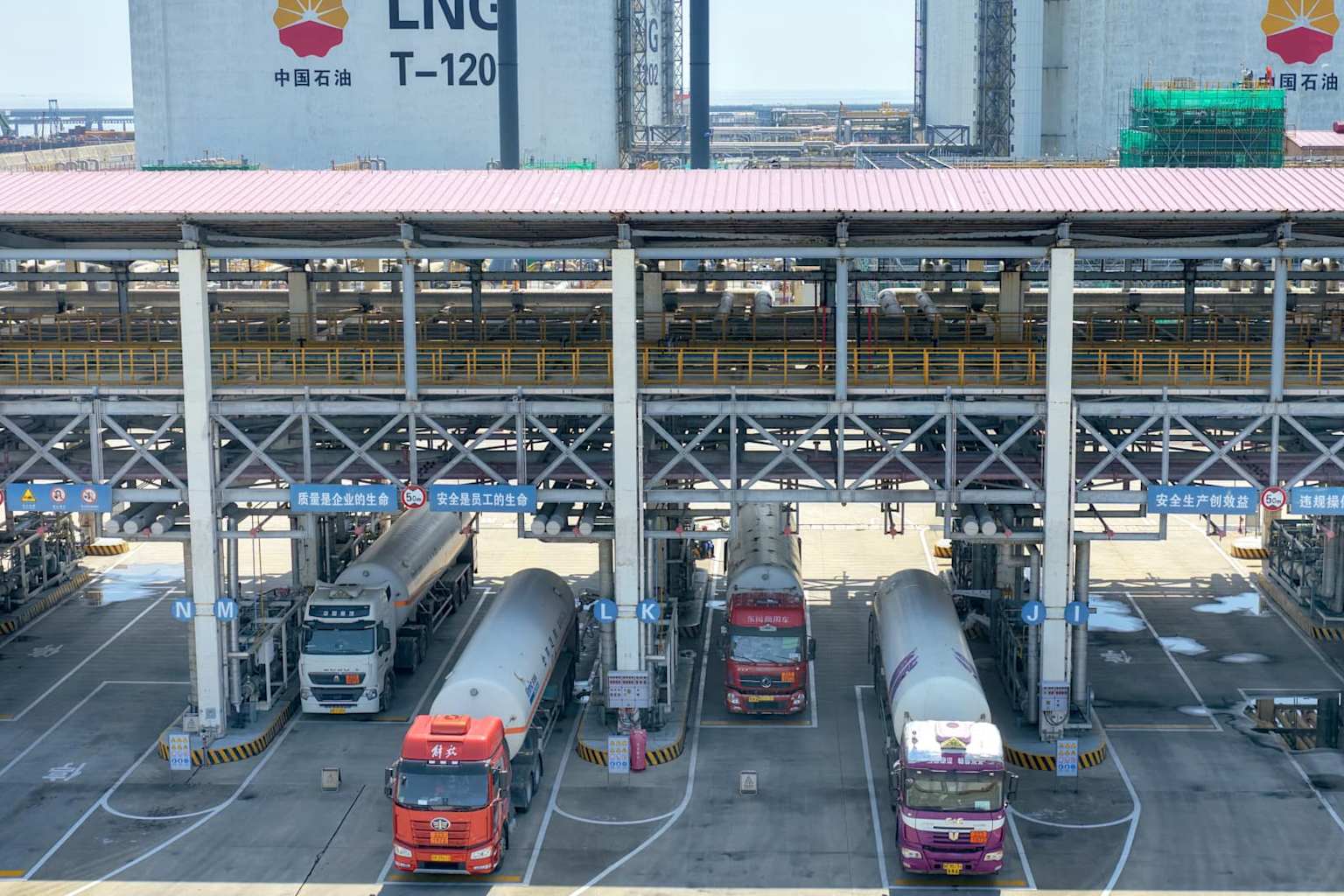
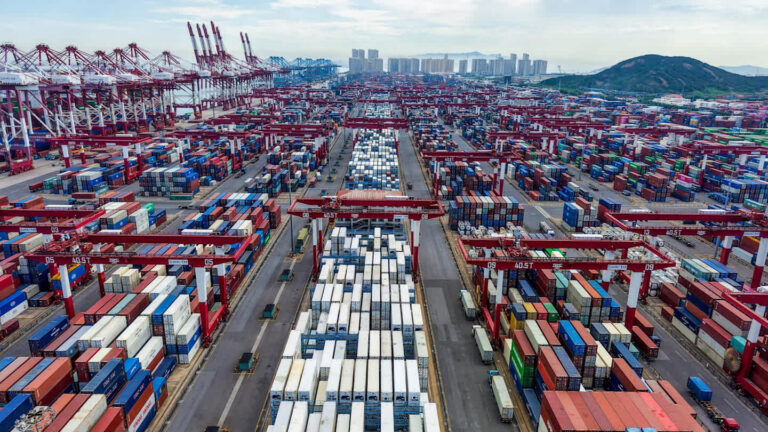
Chinese refineries processed crude at their lowest rate in four years in May as the world’s largest oil importer continued to pull back from global markets amid the Middle East supply shock, while PetroChina forecast a nearly 5% drop in the country’s oil consumption this year.
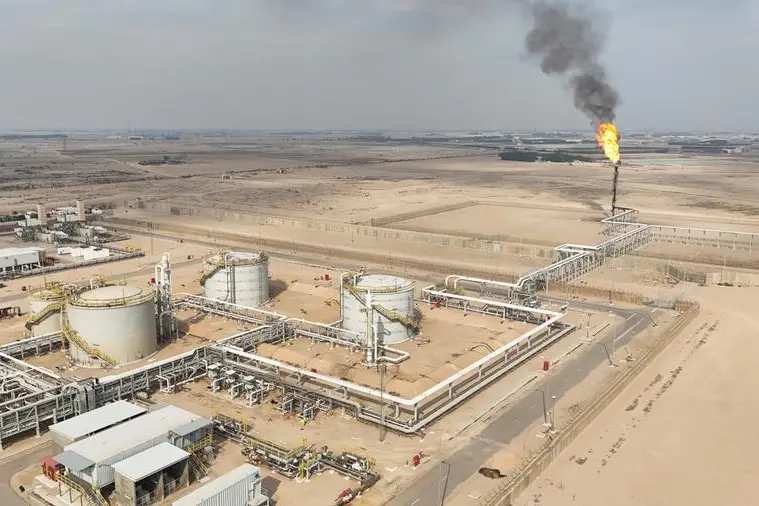
China’s average refinery run rate fell to 66.3% in May, with total crude processing volumes dropping 9.1% year-on-year to 53.72 million tons, according to National Bureau of Statistics data released last week. Refineries operated at roughly 12.66 million barrels per day, the lowest since August 2022 and down sharply from an average of 14.95 million bpd in the first quarter.tankterminals
Crude imports plunged to 33 million tons in May, or 7.8 million barrels per day — the lowest since October 2017 and a dramatic decline from the 11.6 million barrels per day China imported on average throughout 2025, according to customs data reported by Bloomberg. Seaborne arrivals fell even further, to 6.6 million bpd, the weakest since 2016, according to data from Kpler.reuters
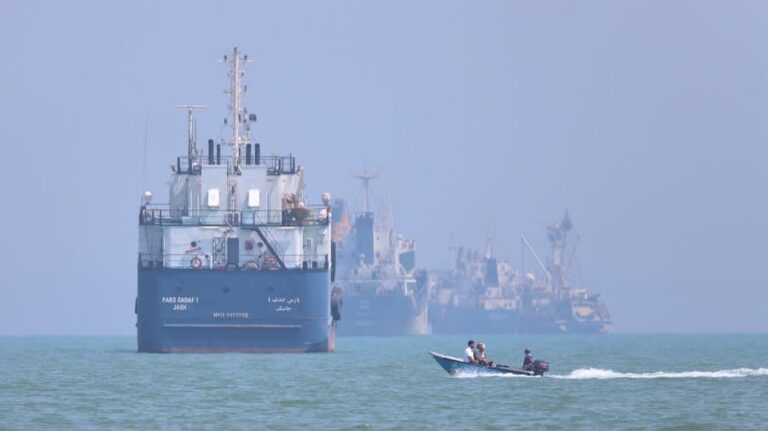
The collapse reflects the cascading effects of the closure of the Strait of Hormuz since late February, which has blocked roughly 20% of global oil and gas production and transit. Iranian crude exports, which previously averaged 1.7 to 2 million barrels per day, have dropped to near zero.tmgm
A report published Thursday by PetroChina’s Planning and Engineering Institute projected that China will consume approximately 753 million tons of oil in 2026, a 4.9% decrease from 2025. Refined oil consumption is expected to fall 6.4% to 324 million tons, an acceleration from the 3.5% decline recorded the previous year. Jet fuel is the sole exception, with modest growth of 0.2% anticipated.reuters
The institute attributed the decline to China’s accelerating shift toward alternative energy, particularly electric vehicles, and elevated oil prices stemming from the Iran conflict. PetroChina expects oil demand to stabilize and decline to around 700 million tons by 2030.reuters
China’s reduced crude buying has acted as one of the largest counterweights to the supply disruption. Societe Generale analysts Michael Haigh and Jeremy Sellem identified Chinese demand destruction as a key offsetting force that has kept oil prices from spiking as severely as the scale of the supply loss would suggest. Bloomberg estimated the reduction offsets 20 to 30% of the roughly 10 million barrel-per-day global supply shortfall caused by the war.tradingkey
JPMorgan projects that the pullback may be partly temporary, with more than half of the lost demand expected to return starting in August as chemical sector activity rebounds and Beijing moves to replenish strategic petroleum reserves.cnbc