





Newsletter Subscribe
Enter your email address below and subscribe to our newsletter

Enter your email address below and subscribe to our newsletter
All voices matter

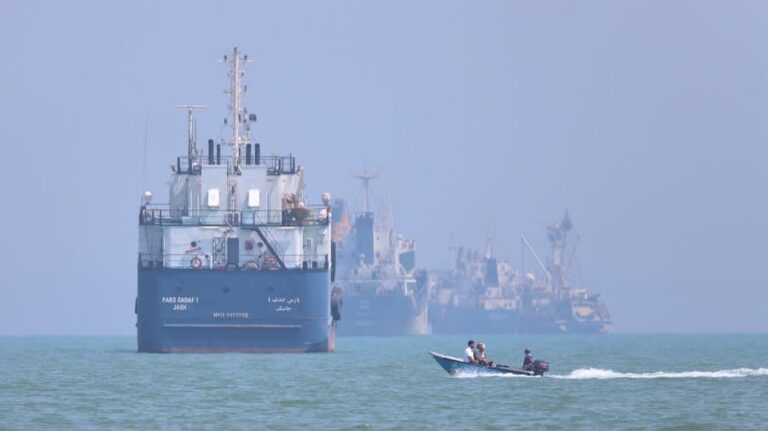
PetroChina and Indian Oil Corporation have been unable to secure very large crude carriers to load Iraqi Basrah crude in late June, according to company and shipping sources cited by the Economic Times. The difficulties come even as the Strait of Hormuz formally reopened following the U.S.-Iran peace deal signed on June 15, underscoring how months of conflict have left the global tanker market severely strained.indiatimes
The failure to book vessels reflects the lasting damage wrought by more than three months of war in the Persian Gulf. VLCC rates surged to as much as $500,000 per day in the early weeks of the conflict and remained elevated well into April, with one-year time charter rates sitting around $105,000 per day. Chinese major Sinochem is also reportedly searching for a tanker, while Indian Oil Corporation has declared force majeure on the Iraqi crude cargo.horizonoffshoreservices
The tanker shortage stems from a combination of factors: vessels trapped inside the Gulf during the blockade, elevated war-risk insurance premiums, and a reduced pool of available non-sanctioned VLCCs after a buying spree earlier this year by South Korea’s Sinokor shipping group, which now controls roughly a quarter of the available fleet.investing
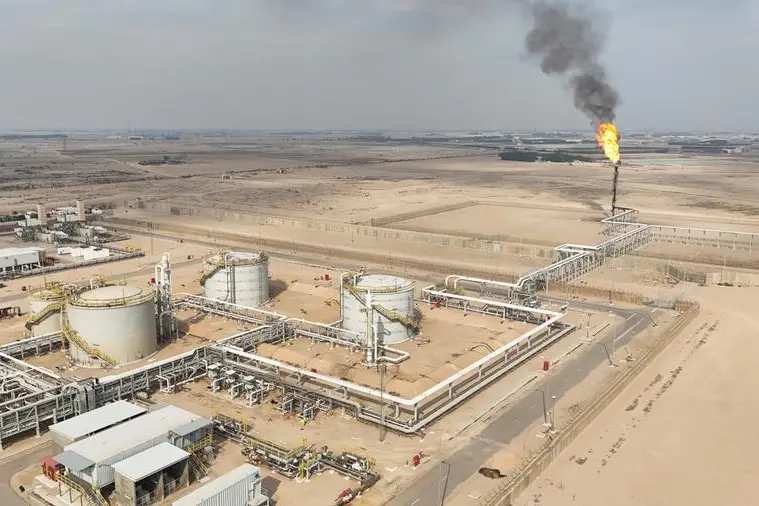
Iraq’s state oil marketer SOMO said the country is “completing the process of nominating tankers to load Iraqi crude oil” as it prepares to ramp up exports from its southern Basrah terminal. Iraq shipped about 1 million barrels per day in the first half of June, a sharp recovery from approximately 98,000 bpd observed in May, according to Bloomberg tanker-tracking data cited by SOMO director general Ali Nizar.worldoil
Yet the pace of recovery remains uneven. Iraq’s southern production collapsed by 70 percent early in the conflict, and oil ministry spokesman Salim Al-Rikabi acknowledged that returning fields to pre-war output levels “will require some time, which may vary from one field to another”.marinelink
The U.S.-Iran deal, brokered with Pakistan’s mediation, calls for both sides to lift their dueling blockades and extends the ceasefire for 60 days while nuclear negotiations continue. President Trump declared the strait “fully open” as of June 15, but shipping sources indicate that mine-clearing operations and lingering insurance concerns continue to deter some vessel operators from transiting the waterway. Until the tanker market normalizes, buyers of Iraqi crude face the prospect of further delays and cost overruns.southcarolinapublicradio