Newsletter Subscribe
Enter your email address below and subscribe to our newsletter

Enter your email address below and subscribe to our newsletter
All voices matter
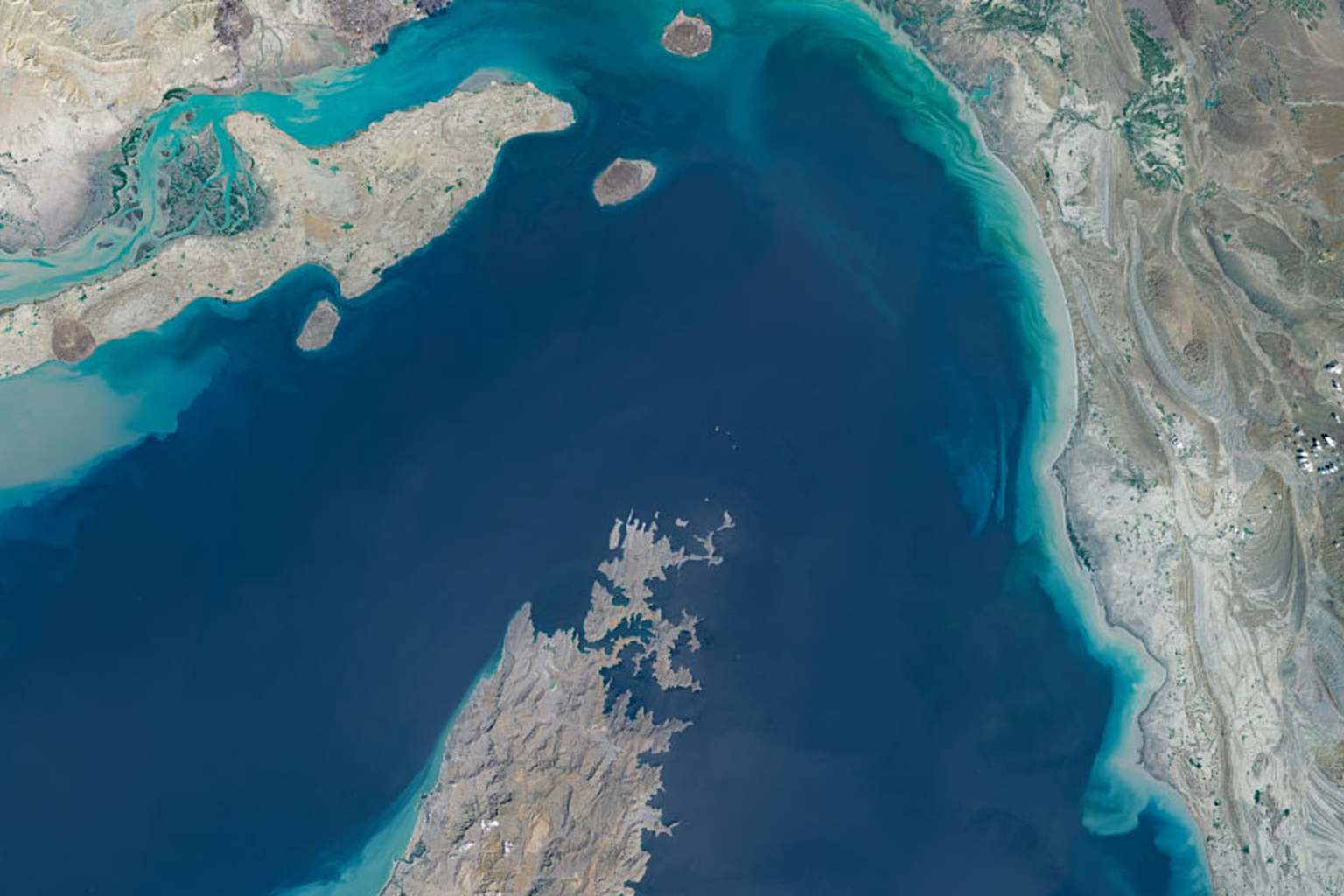
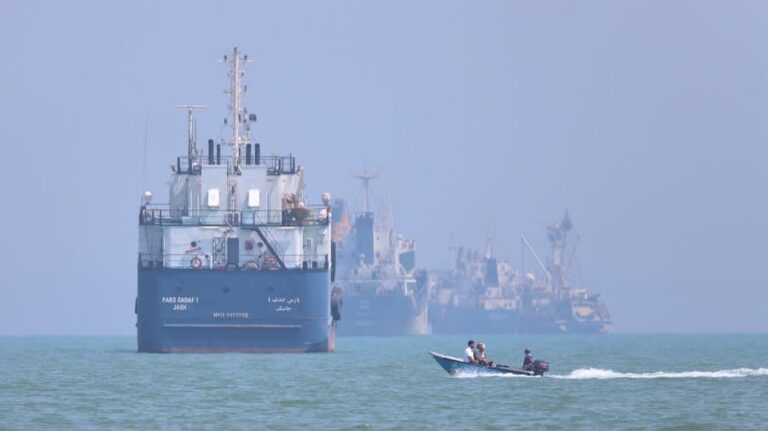
Goldman Sachs cautioned this week that crude oil shipments through the Strait of Hormuz may stabilize at roughly 70 percent of prewar volumes even after the waterway formally reopens, as Gulf producers have built up alternative export infrastructure during months of conflict-driven closure.
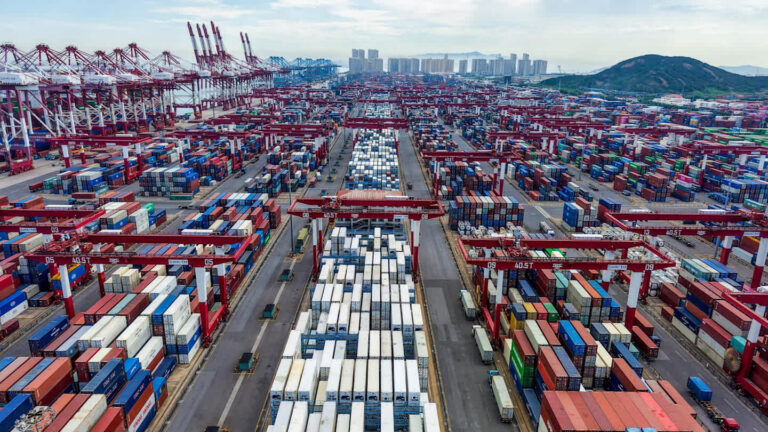
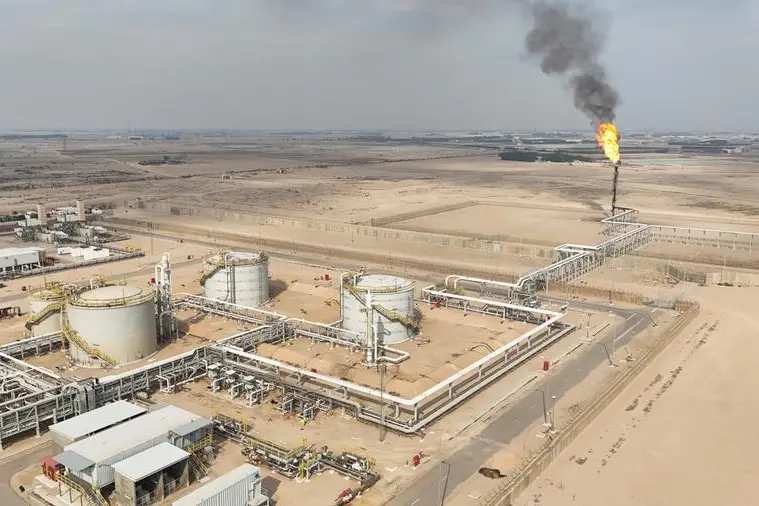
In a report titled “70% of Pre-War Hormuz Flows Might Become the New 100%,” published on June 17, Goldman analysts said that Saudi Arabia, the UAE, and Iraq have expanded pipeline and port capacity to such a degree that full reliance on the strait is unlikely to return. Saudi Aramco has increased utilization of pipelines carrying crude to the Red Sea port of Yanbu, while the UAE is routing oil through pipelines to Fujairah on the Gulf of Oman, and Iraq has strengthened its export corridor to the Turkish port of Ceyhan.kucoin
Combined volumes through Yanbu, Fujairah, and Ceyhan have reached 7.5 million barrels per day, far exceeding the roughly 1.3 million barrels per day Goldman currently observes transiting the strait itself. The bank expects shipping volumes to largely recover by the end of July and overall Gulf production to return to prewar levels before October.investinglive
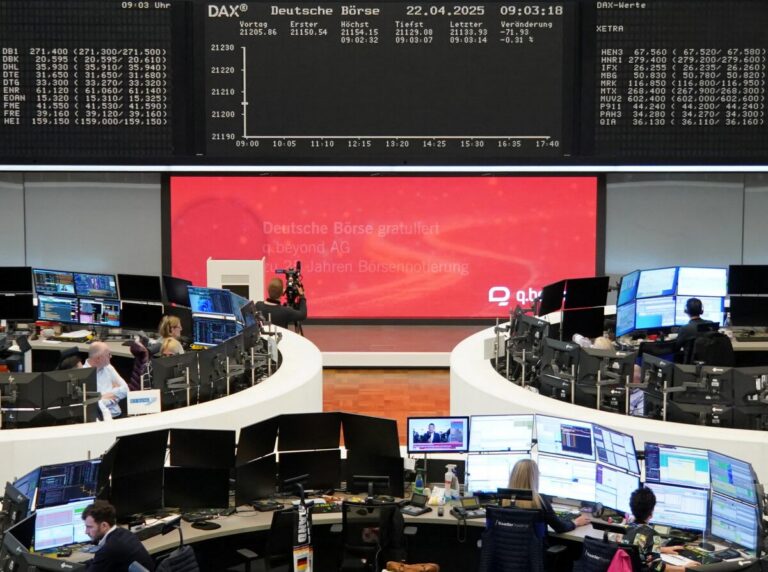
Goldman cut its fourth-quarter 2026 Brent crude forecast to $80 per barrel from $90 — its second downward revision in a week — and lowered its 2027 average estimate to $75 from $80. The bank noted that if the strait never fully reopens, Brent could exceed $130, while a faster-than-expected normalization could push prices toward $60 in 2027.investing
The revision followed an initial deal between the United States and Iran, announced on June 15, to end hostilities and begin reopening the strait. Officials are set to formally sign the agreement on Friday in Switzerland, with Iran pledging to begin mine clearance and restore commercial navigation. However, Iranian officials have insisted the strait will not return to “pre-war conditions” and that Tehran intends to charge fees for transit.aljazeera
Despite the diplomatic progress, Goldman’s report underscored the structural shift away from the chokepoint. The bank had previously noted that Hormuz flows were down 97 percent from normal levels in March, and that even with reopening, the diversification already achieved means the strait’s dominance over Gulf exports may be permanently diminished. The 60-day negotiation window established by the US-Iran memorandum of understanding leaves ample room for setbacks that could delay full normalization.usatoday