Newsletter Subscribe
Enter your email address below and subscribe to our newsletter

Enter your email address below and subscribe to our newsletter
All voices matter
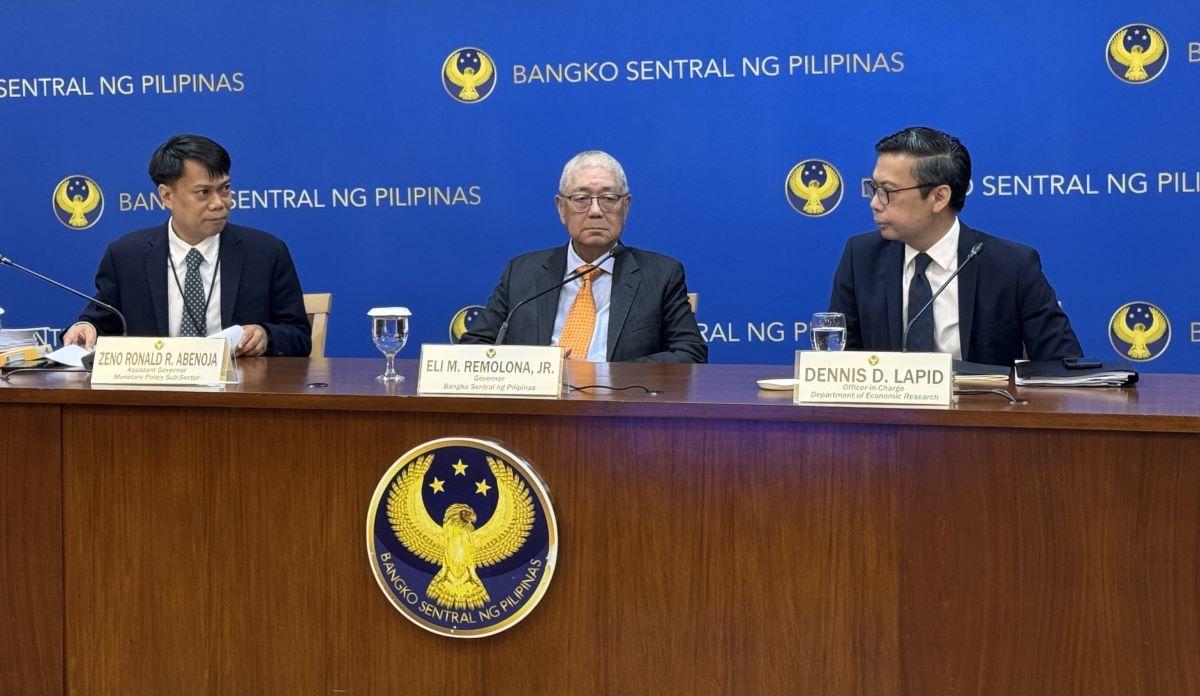
Central banks in the Philippines and Indonesia both raised interest rates on Thursday, underscoring a broader wave of monetary tightening across Southeast Asia as policymakers grapple with persistent inflation pressures fueled by the Middle East conflict.
The Bangko Sentral ng Pilipinas raised its benchmark overnight reverse repurchase rate by 25 basis points to 4.75%, its second consecutive increase after initiating a tightening cycle in April. The move was anticipated by 23 of 30 economists in a Bloomberg survey, with the remaining seven expecting a larger 50-basis-point hike.reuters
Governor Eli Remolona left the door open to further tightening, having previously signaled the BSP would implement “as many hikes as required” to stay ahead of inflation. In May, Remolona said the April hike “appeared insufficient,” noting that policymakers face a persistent supply shock. The BSP projects inflation will exceed the 4% upper bound of its target range in both 2026 and 2027.tradingeconomics
The Philippines began its tightening cycle on April 22 with a 25-basis-point hike to 4.5% — its first in more than two years — driven by rising global oil and fertilizer prices tied to the Middle East war.inquirer
Bank Indonesia raised its seven-day reverse repurchase rate by 25 basis points to 5.75%, the highest since May 2025 and the third increase in just four weeks. The cumulative tightening now totals 100 basis points.straitstimes
“This increase is a follow-up step to further strengthen the stability of the rupiah’s exchange rate amid persistently high global uncertainty,” Governor Perry Warjiyo said at a news conference. The rupiah strengthened following the announcement.thestar
The aggressive pace began with a surprise 50-basis-point hike on May 20 — Bank Indonesia’s first rate increase in over two years — followed by an off-cycle 25-basis-point move on June 9. Bank Indonesia also announced tighter requirements for foreign exchange transactions, lowering the threshold for supporting documents on outgoing transfers from $50,000 to $25,000, effective July 1.thejakartapost
The synchronized moves reflect the challenge facing emerging Asian economies caught between imported inflation from elevated energy costs and the need to defend currencies against a strong U.S. dollar. Analysts at Capital Economics and Bank Permata now expect Bank Indonesia to hold rates at 5.75% through the end of 2026, while Deutsche Bank Research had projected in April that the BSP could raise rates to around 5% by August.youtube
The tightening stands in contrast to the easing cycles both central banks pursued in recent years, marking a policy reversal that could weigh on growth in the region’s two largest economies by population.