





Newsletter Subscribe
Enter your email address below and subscribe to our newsletter

Enter your email address below and subscribe to our newsletter
All voices matter
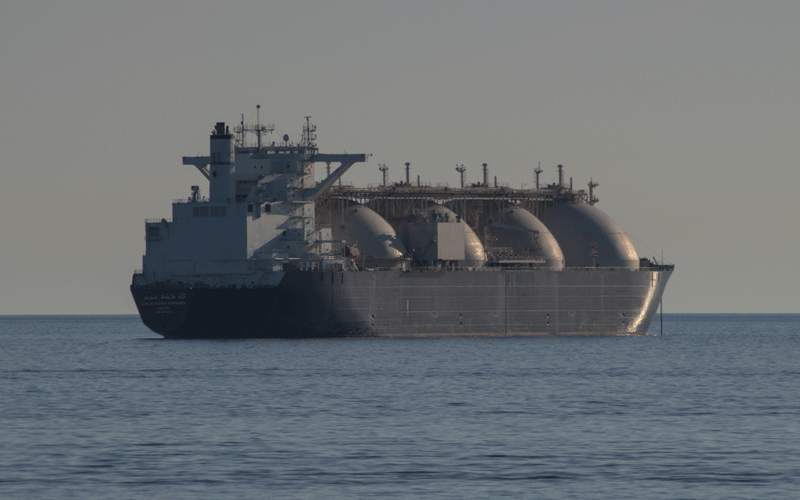
Europe’s natural gas market has emerged from the Strait of Hormuz crisis without a catastrophic supply breakdown, but analysts warn the continent now faces a different set of challenges as it grows increasingly reliant on American liquefied natural gas and confronts structural demand decline.
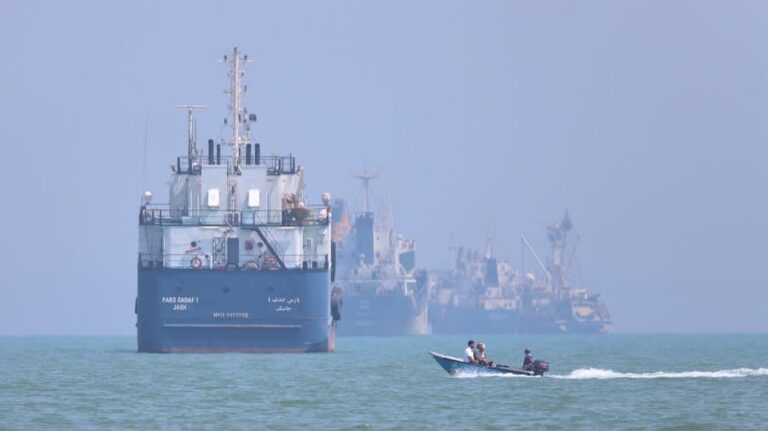
The preliminary peace deal between the United States and Iran, announced on June 15 and set to be formally signed Friday in Switzerland, signals an end to more than three months of conflict that closed one of the world’s most critical energy chokepoints. Dutch TTF gas futures, Europe’s benchmark, have retreated to around €41 per megawatt-hour after reaching peaks above €60 during the crisis, though they remain above pre-war levels near €30.npr
Reuters reported on Wednesday that Europe’s gas sector “has withstood the Hormuz challenge — at least for now,” noting that the peace agreement indicates “the most severe disruptions may be behind us, even if recovery in supply takes time”. The European Commission’s Gas Coordination Group confirmed in late May that EU storage levels could reach 80% by summer’s end, enough to secure supply for the 2026-27 winter season.europa
The crisis was far from painless. European gas prices surged more than 70% from pre-war levels at their peak in late March, and EU Energy Commissioner Dan Jorgensen warned in May that the disruption had already cost the bloc more than $35 billion in additional energy import costs. Europe managed to avoid physical shortages by ramping up LNG imports from the United States and securing additional pipeline gas from Algeria and Nigeria, while QatarEnergy’s production halt following Iranian drone strikes removed a major LNG supplier from the market.reuters
War-risk insurance premiums and elevated tanker freight rates are expected to keep costs above normal even as the strait reopens.nytimes
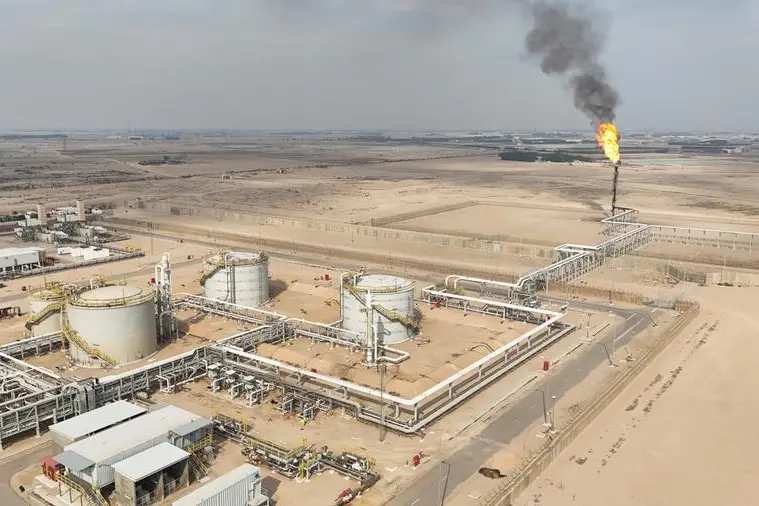
The longer-term concern now centers on Europe’s deepening reliance on American LNG. US supplies accounted for roughly 57% of EU LNG imports in 2025, up from just 5% before Russia’s invasion of Ukraine. Analysts at the Institute for Energy Economics and Financial Analysis project that figure could reach 80% by 2030, a concentration that Deutsche Welle and other outlets have characterized as replacing one energy dependency with another.globallnghub
The Centre for Strategic and International Studies’ OSW think tank noted that this reliance “varies significantly between individual countries” but creates vulnerability to both political leverage and supply disruptions from a single corridor. Meanwhile, Europe’s long-term gas demand is projected to decline as the continent pursues electrification and renewable energy targets — raising questions about whether expensive new LNG infrastructure will become stranded assets.waw