







Newsletter Subscribe
Enter your email address below and subscribe to our newsletter

Enter your email address below and subscribe to our newsletter
All voices matter
The Middle East crude oil market weakened sharply this week, with benchmark Dubai slipping into a discount for the first time since January as the framework agreement between the United States and Iran brightened the global supply outlook and unwound months of war-driven premiums.
On Tuesday, Dubai’s premium to swaps fell to a discount of 46 cents per barrel, marking the first contango structure since January, according to Reuters. Spot differentials for Oman and Murban also flipped into discounts of 67 cents and 49 cents respectively. The reversal is dramatic: during the conflict that began on February 28, Dubai prices had surged to a record $157.66 per barrel with premiums exceeding $60 above swaps, while Oman futures hit $152.58 with premiums above $55.energynow
The collapse followed the June 14 announcement that the US and Iran had agreed to a framework extending their ceasefire for 60 days and reopening the Strait of Hormuz. The formal signing ceremony is set for June 19 in Geneva. President Trump declared on Truth Social: “Let the oil flow!”.axios
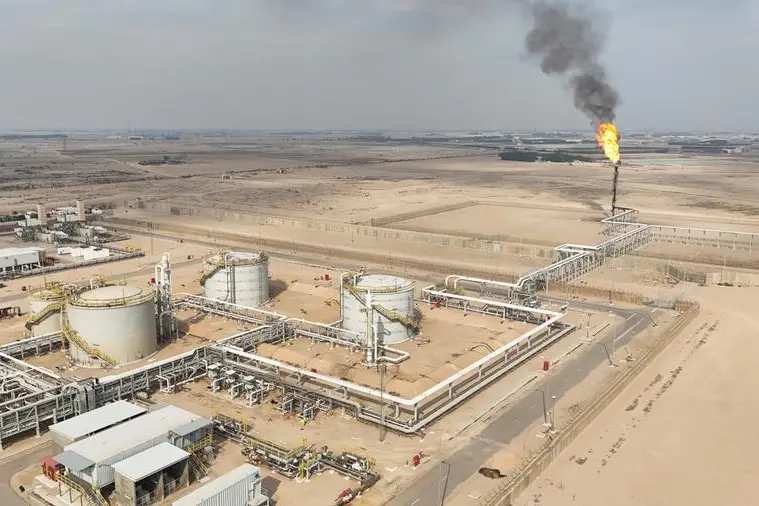
Abu Dhabi National Oil Company has sold at least 30 million barrels of spot crude to Asian refiners and trading firms so far in June, with further offers made this week, Reuters reported. ADNOC sold cargoes of Das, Upper Zakum, and Umm Lulu crude to refiners in India, China, South Korea, and Japan, some priced at flat to slight premiums to Dubai benchmarks for loading between June and August.reuters
Indian Oil Corp and Bharat Petroleum bought a combined 6 million barrels of Abu Dhabi crude, while other buyers included Unipec, SK Energy, and GS Energy.energynow
Murban has become cheaper than West Texas Intermediate crude for European buyers as demand in Asia remains weak, opening rare arbitrage opportunities to Europe and the United States. During the conflict, Murban had traded at a roughly 45 percent premium over WTI on a delivered basis.reuters
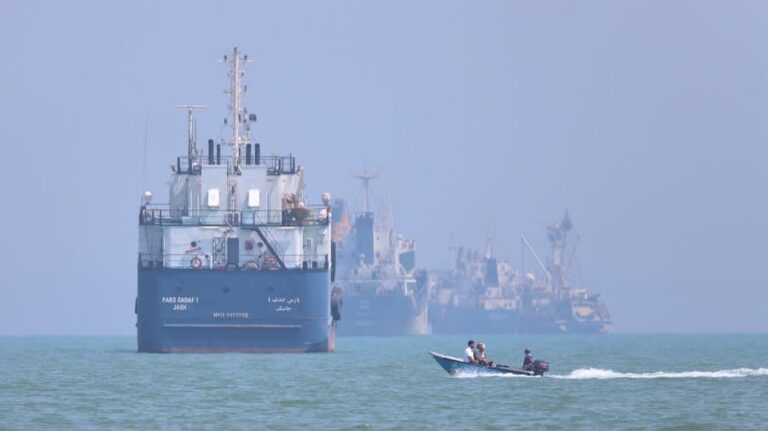
The prospect of increased supply from the strait’s reopening — which previously carried approximately 20 percent of global oil and liquefied natural gas traffic — continues to pressure prices. Brent crude fell over 10 percent to around $83 per barrel following the deal’s announcement, while WTI dropped to about $80.facebook
Whether discounts deepen depends on how quickly demining operations proceed and whether Iranian barrels return to the market. Under the deal, Iran is expected to receive temporary sanctions exemptions allowing oil sales during the 60-day negotiation window, a development that the Wall Street Journal reported could allow Iran to sell crude immediately.axios