






Newsletter Subscribe
Enter your email address below and subscribe to our newsletter

Enter your email address below and subscribe to our newsletter
All voices matter
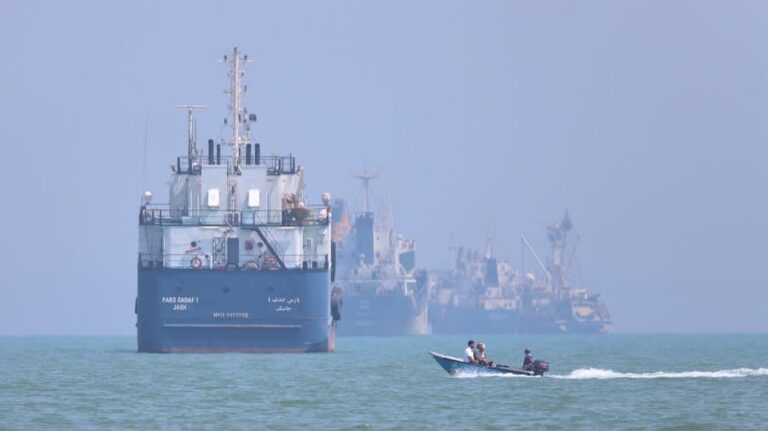
The International Energy Agency on Wednesday cut its global oil demand forecast for 2026 and warned that a rapid recovery in supply next year could flood the market with crude, even as the war-torn Strait of Hormuz begins to reopen under a preliminary U.S.-Iran peace agreement.
In its June Oil Market Report, the IEA said global oil consumption will contract through 2026, deepening the demand destruction caused by elevated fuel prices and severe supply disruptions stemming from the conflict in Iran. The revision marks the latest in a series of increasingly bearish forecasts from the Paris-based agency, which in January had projected demand growth of 930,000 barrels per day before the war upended the market.iea
The IEA’s May report had forecast demand falling by 420,000 barrels per day. That estimate has now been revised sharply lower, with the U.S. Energy Information Administration separately projecting demand will decrease by 1.1 million barrels per day over the course of 2026.iea
Strategic oil reserves in advanced economies have fallen to their lowest level since 1990, the IEA said, after cumulative supply losses from Middle East Gulf producers exceeded 1 billion barrels during the conflict.euronews
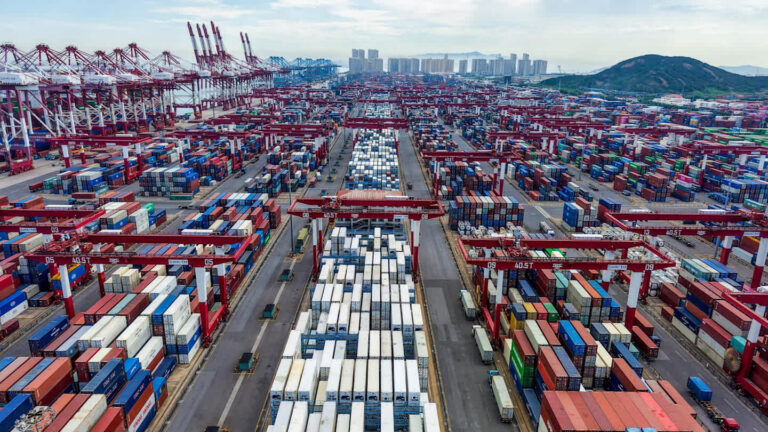
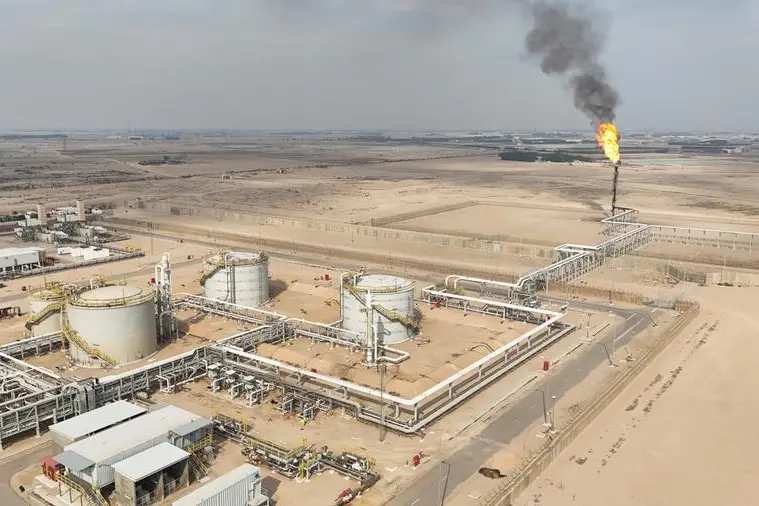
In its first look at 2027, the IEA projected global oil supply could surge by 8 million barrels per day as Middle East Gulf production recovers and OPEC+ raises output targets. With demand expected to grow by only 2 million barrels per day next year, the forecasts point to an enormous surplus if the peace agreement holds.channelnewsasia
The agency cautioned, however, that a full recovery of flows through the Strait of Hormuz will take months, as mines must be cleared and supply chains stabilized. The IEA said in May that even assuming the conflict ended by early June, the market would remain “severely undersupplied through the end of Q3 2026”.energynow
The United States and Iran reached a preliminary agreement on Sunday to end more than 100 days of war, with a formal signing ceremony scheduled for Saturday, June 20, in Geneva. President Trump said the Strait of Hormuz would reopen to all maritime traffic upon signing of the deal.npr
Despite the diplomatic breakthrough, the IEA warned that logistical obstacles — including mine clearance and disrupted shipping routes — mean the transition from severe undersupply to potential glut could take several quarters to unfold.euronews