





Newsletter Subscribe
Enter your email address below and subscribe to our newsletter

Enter your email address below and subscribe to our newsletter
All voices matter
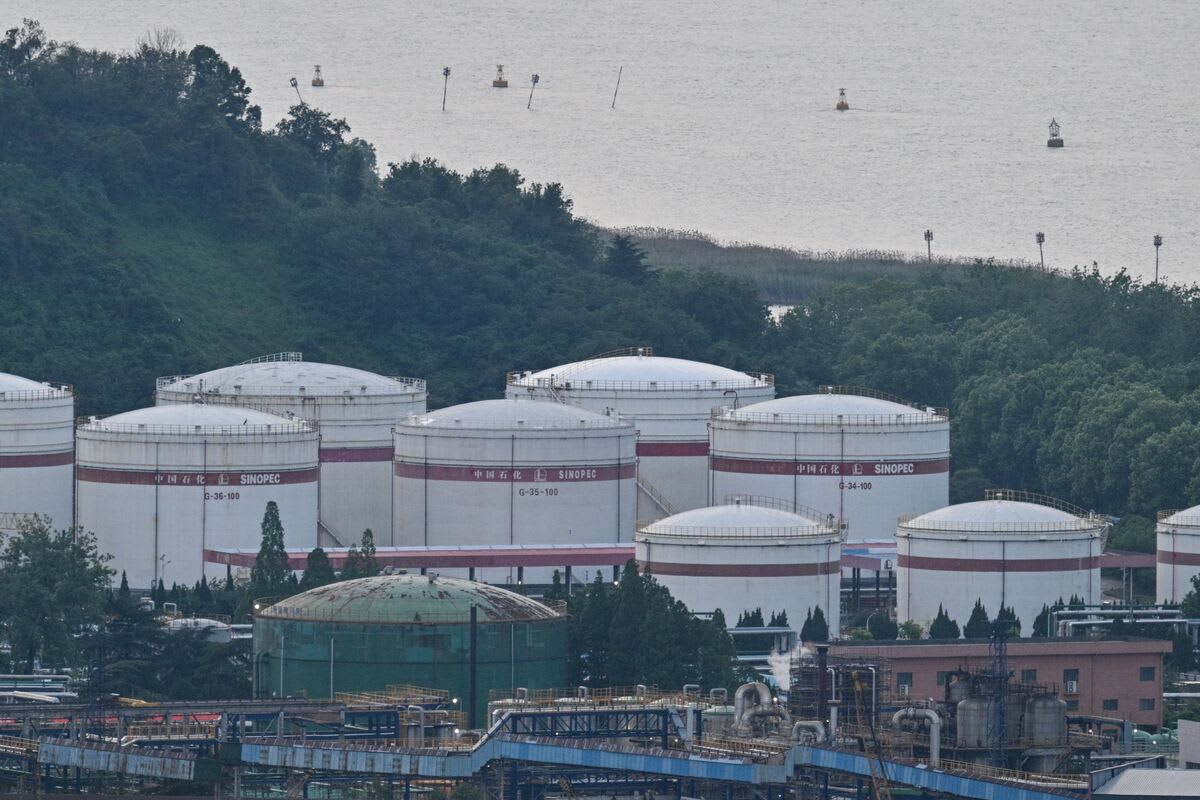
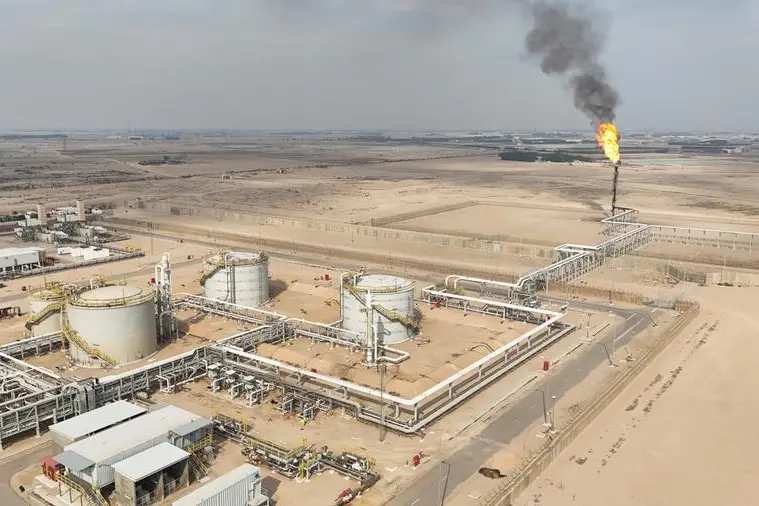
Chinese oil refiners slashed processing volumes to their lowest level in nearly four years in May as crude imports collapsed to an eight-year low, deepening the downstream fallout from the Iran conflict’s chokehold on Persian Gulf shipping lanes.
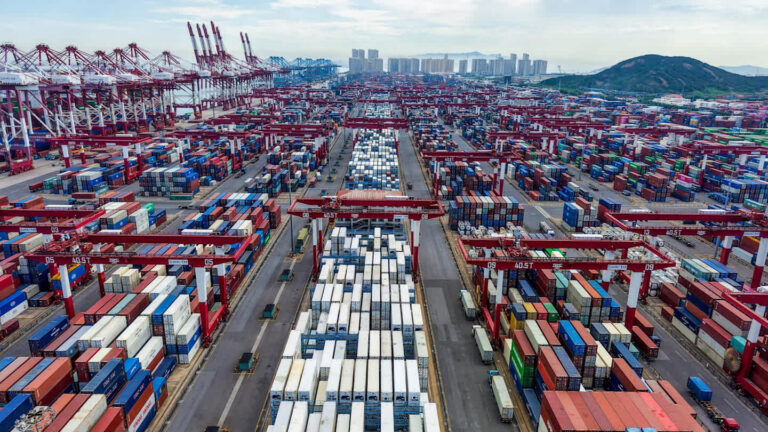
Refining volumes dropped 9.1% year-on-year to 53.72 million tons in May, with the average run rate for Chinese refineries at just 66.3%, according to official statistics data reported by Bloomberg on Monday. Crude imports fell to roughly 33 million tons — equivalent to 7.8 million barrels per day — the lowest since October 2017, customs data showed. That compares with an average daily import rate of 11.6 million barrels across 2025.bloomberg
The decline marks an acceleration from April, when refineries processed 54.65 million tons, already 5.8% below the prior year. A Singapore-based analyst with an international oil company told S&P Global in late May that Chinese crude throughput could fall below 13 million barrels per day in June.spglobal
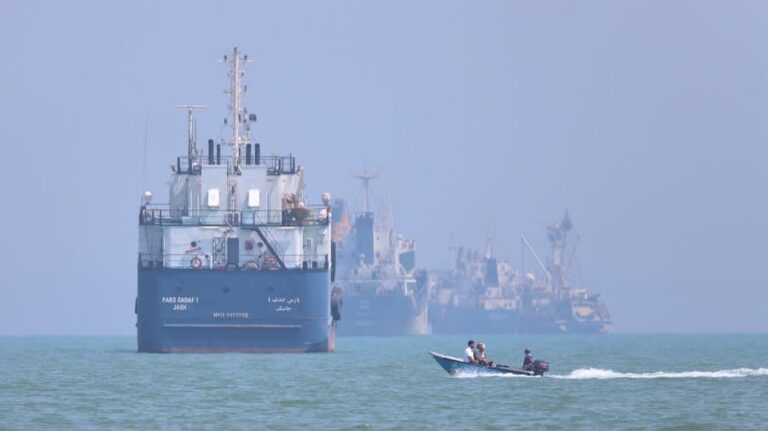
Iran’s effective blockade of the Strait of Hormuz since February severed a route that carries roughly 20% of the world’s seaborne oil and gas trade. China, which sourced more than half its crude from the Middle East prior to the conflict, saw Hormuz-related disruptions slash imports by as much as 44%, according to Reuters. State-owned refiners such as Sinopec sought permission to tap strategic reserves rather than import at elevated prices, while independent “teapot” refineries in Shandong province absorbed growing losses.oilprice
Beijing in early June permitted some independent refiners to cut output to no less than 80% of last year’s monthly average, a sign of increased confidence in managing the crisis.reuters
The U.S. and Iran announced a preliminary peace agreement on June 14, with a formal signing scheduled for Friday in Switzerland. Under the accord, the Strait of Hormuz is set to reopen and Iran will be permitted to resume oil sales immediately upon signing, according to a senior U.S. official.reuters
Oil prices fell on the news, but analysts expect China’s refining activity to remain subdued. Reuters reported that Goldman Sachs estimates Chinese gasoline and related product consumption fell about 20% in April, while Sinopec projects national fuel demand will decline roughly 10% year-on-year in the second and third quarters. The International Energy Agency forecast global refinery throughputs to drop 1.6 million barrels per day for 2026 as a whole.reuters