







Newsletter Subscribe
Enter your email address below and subscribe to our newsletter

Enter your email address below and subscribe to our newsletter
All voices matter
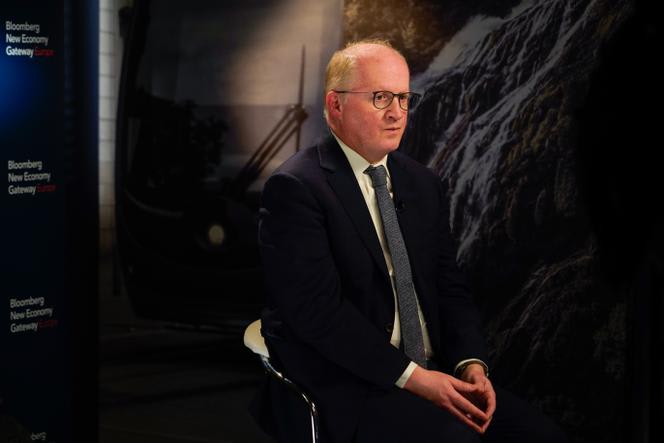
European Central Bank Chief Economist Philip Lane cautioned on Tuesday that the inflationary pressures unleashed by the Middle East conflict have not dissipated with the preliminary US-Iran peace agreement, warning that energy price shocks are still working their way through the eurozone economy.
Speaking at the inaugural Reuters NEXT Europe conference in London, Lane said the ECB would remain “proactive” in its monetary policy stance and did not rule out further rate increases if evidence points to persistent inflation. His remarks came just days after the US and Iran announced a framework agreement to extend their ceasefire and reopen the Strait of Hormuz, a development that has raised hopes for lower energy costs.npr
The ECB raised its key deposit rate by 25 basis points to 2.25% on June 11 — its first increase since 2023 — as the central bank moved to contain inflation running well above its 2% target. Alongside the hike, the Governing Council lifted its headline inflation forecast to 3.0% for 2026 and 2.3% for 2027, up from the 2.6% and 2.0% projected in March.europa
Eurozone consumer prices rose 3.2% in May, driven by a 10.9% surge in energy costs linked to the Iran conflict. Core inflation also climbed to 2.5%, a development that has alarmed policymakers watching for signs that energy costs are feeding into broader price pressures.reuters
Lane’s warning about “pipeline” inflation draws on ECB analysis he presented in a May speech showing that a global energy shock can raise non-energy inflation by 1.5 percentage points cumulatively over three years through indirect channels including supply chains and imported goods. Unlike the 2022 energy crisis tied to Russia’s invasion of Ukraine, the current shock is more global in nature, meaning there is less relief available through cheaper imports from unaffected regions.europa
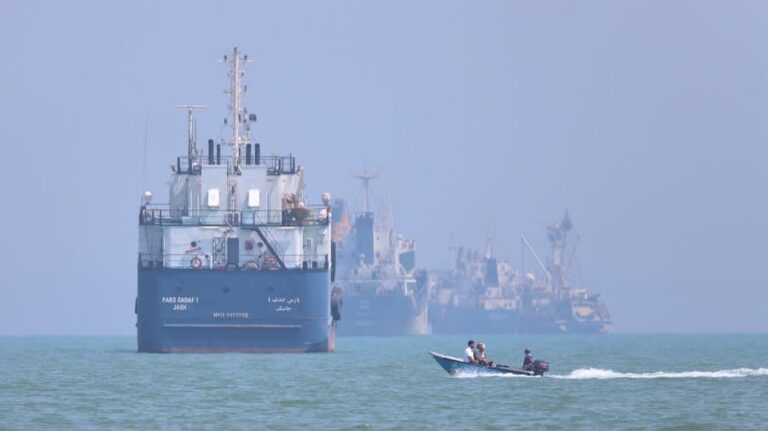
The US-Iran deal, announced on Sunday by President Trump and Pakistani mediator Prime Minister Shehbaz Sharif, includes provisions for reopening the Strait of Hormuz — a passage that previously handled roughly 20% of global oil and liquefied natural gas traffic. However, the memorandum of understanding suspends tolls for only 60 days, with broader terms still under negotiation, and the formal signing ceremony is not expected until Friday.cbsnews
A Reuters poll of economists found that more than 60% expect one additional rate hike this year, likely in September. ECB sources have indicated policymakers are inclined to pause in July unless the inflation outlook deteriorates sharply, preferring to wait for updated staff projections before acting again.reuters
Lane’s analytical framework suggests the ECB faces a delicate balance: while “demand destruction” from higher energy costs may limit the need for aggressive tightening, the risk that firms and workers respond to elevated living costs by raising prices and wages could make inflation self-sustaining. With wage agreements so far showing no reaction to the energy shock, the coming months of data will be decisive.europa