







Newsletter Subscribe
Enter your email address below and subscribe to our newsletter

Enter your email address below and subscribe to our newsletter
All voices matter
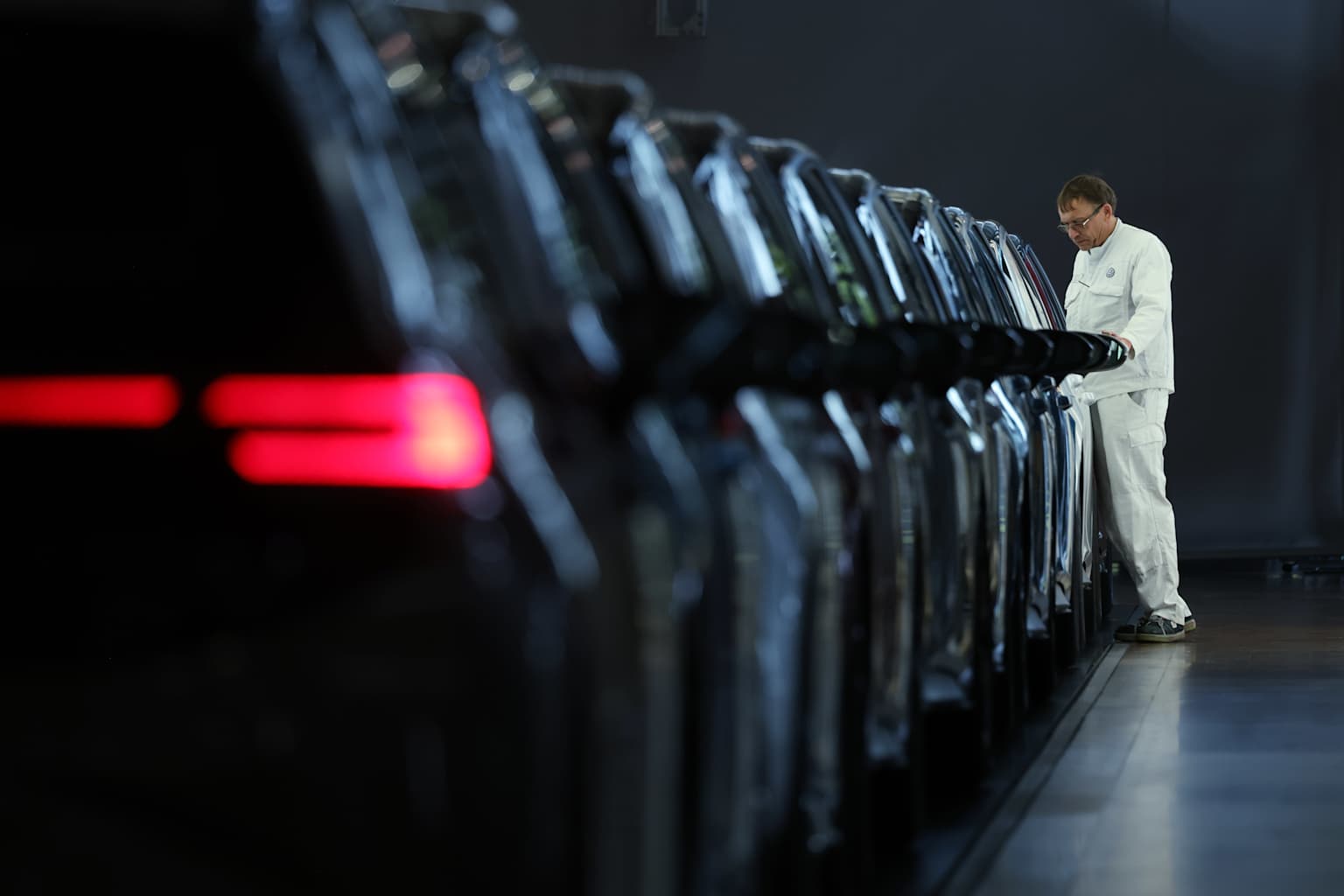
Hedge funds are ramping up short positions against some of Europe’s largest automakers, targeting both the debt and equity of companies they view as structurally vulnerable to Chinese competition, according to the Financial Times.ft
Stellantis, Volkswagen, BMW, Mercedes-Benz, and Renault are all under pressure as Chinese brands continue to gain market share across the European Union. Data cited by Invezz showed that Volkswagen was the third-most shorted investment-grade bond in Europe, with Stellantis ranking first.oica
The short bets reflect what analysts describe as deep structural concerns rather than short-term macroeconomic positioning. Chinese automakers are advancing rapidly in electric vehicles, battery technology, and software-defined platforms, while European incumbents contend with high fixed costs, overcapacity, and shifting consumer preferences.hedgeweek
Chinese vehicle exports have surged, with around 2.5 million vehicles expected to be delivered across Germany, France, Italy, and the United Kingdom in 2026, representing a 150% increase from 2025. Companies including BYD are actively seeking factory space in Europe to localize production and sidestep tariffs, with Reuters reporting in June that BYD is considering an existing factory in southern Europe for its second European plant.oica
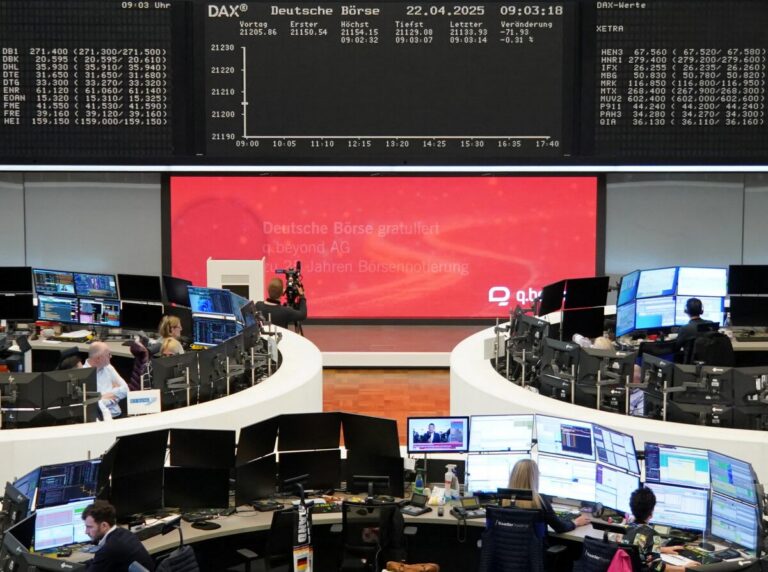
The DAX rose 1.5% on Monday to exceed 25,000, reaching its highest level since early June, after oil prices fell sharply following the finalized U.S.-Iran framework agreement. The broader market relief from declining crude prices contrasted with the sector-specific pessimism weighing on German automakers.tradingview
The divergence underscores the dual forces acting on European markets: energy-cost relief boosting the index overall, even as hedge funds express conviction that the continent’s auto sector faces a prolonged competitive reckoning. U.S. tariffs on European goods and China’s May passenger-car sales slump of 22.1% — which is pushing Chinese manufacturers to rely even more heavily on exports — add further layers of pressure.oica
Stellantis outlined a €60 billion turnaround plan last month, while Volkswagen has moved to build its own private cloud infrastructure and explore partnerships with Chinese firms. Whether such measures can close the gap with increasingly capable Chinese rivals remains the central question for investors on both sides of the trade.reuters