





Newsletter Subscribe
Enter your email address below and subscribe to our newsletter

Enter your email address below and subscribe to our newsletter
All voices matter
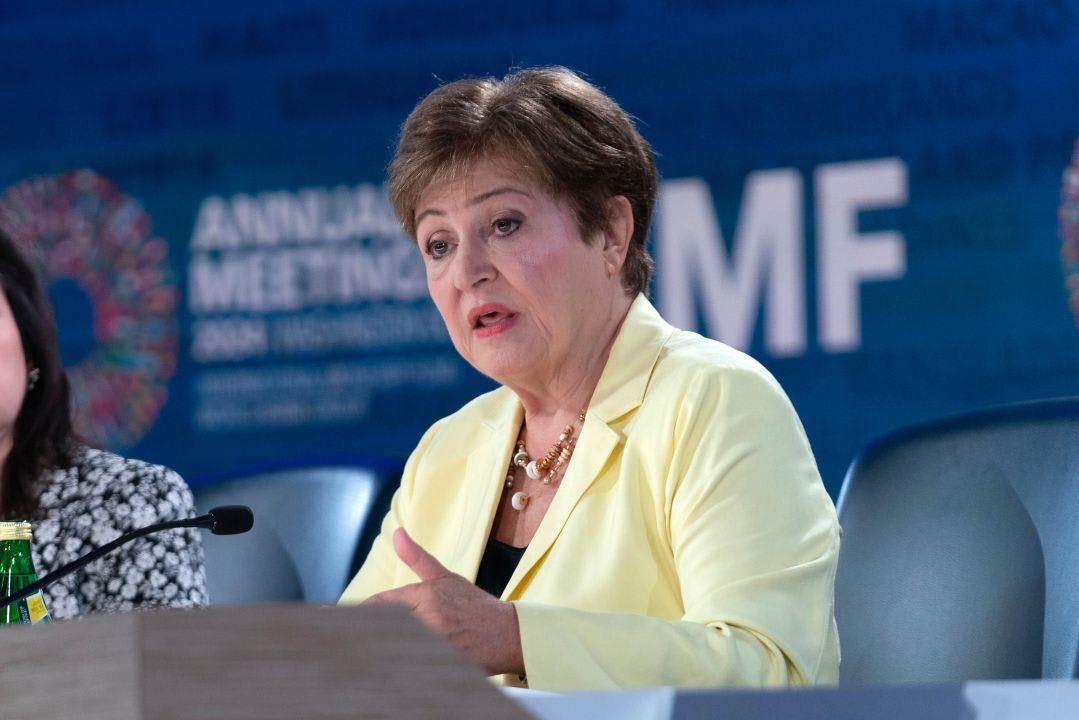
The global economy is holding up more than three months into the Middle East war, with no signs yet of a broader slowdown despite surging commodity prices and rising inflation, IMF Managing Director Kristalina Georgieva said Monday in a blog post that offered a cautiously optimistic assessment ahead of the fund’s next forecast update.
Writing on the IMF’s website, Georgieva said oil prices remain about 30 percent above pre-war levels but noted that strong economic momentum in the United States and China, deep oil reserves, increased production outside the Gulf, and well-anchored inflation expectations have collectively cushioned the blow. Technology-related investment, particularly in artificial intelligence and data centers, has also provided a “bright spot,” she wrote.imf
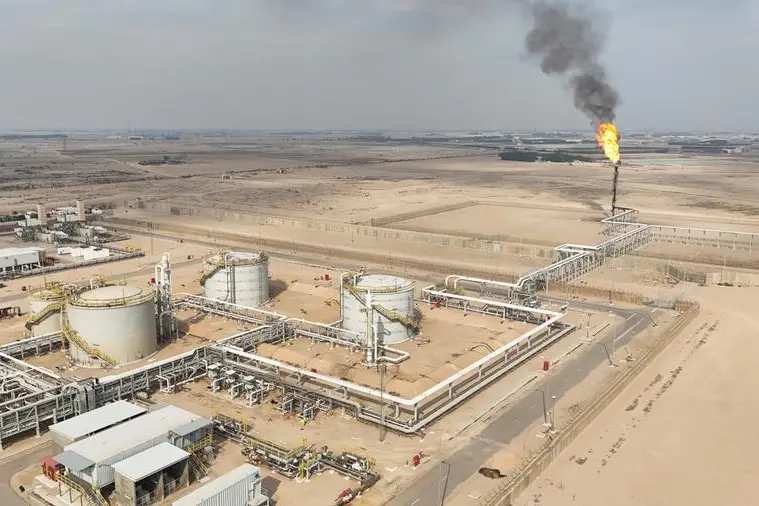
Georgieva welcomed Sunday’s ceasefire announcement between the United States and Iran but cautioned that energy supply recovery will take time given extensive infrastructure damage in the region. “The sooner it is resolved, the better,” she wrote, adding that should the conflict or disruptions intensify, “this is a clear risk to global growth”.france24
The IMF chief warned that the resilient global picture masks deep disparities. Five of eight oil exporters around the Gulf face outright economic contractions this year, while Europe is contending with higher energy import costs and the European Central Bank has raised interest rates. In Africa, several countries including Ethiopia, Malawi, and Zambia have managed fuel shortages, and gasoline prices in some nations have jumped roughly 50 percent since the war began.imf
The fund will release its updated World Economic Outlook on July 8. Before the war, the IMF had anticipated upgrading its projection to 3.3 percent global growth for 2026, according to remarks Georgieva made in early April. At the Spring Meetings in mid-April, she revised the outlook downward to 3.1 percent. Monday’s more reassuring tone suggests the July update may hold near that figure rather than deteriorate further.imf
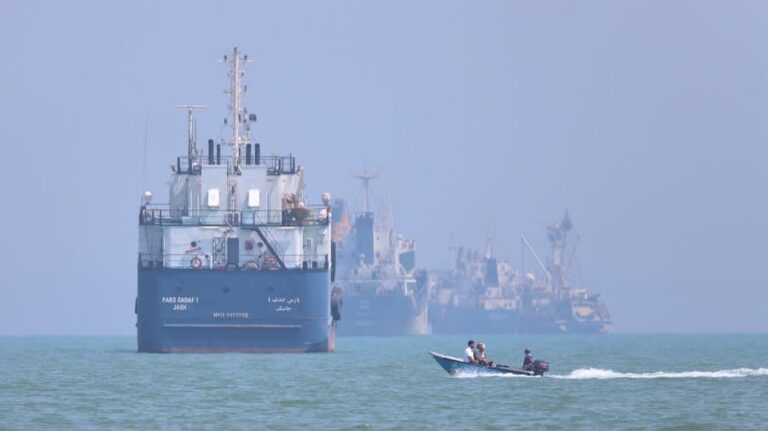
The US-Iran ceasefire, first reached in early April as a two-week pause, was extended in late May through a memorandum of understanding that added 60 days and required Iran to demine and reopen the Strait of Hormuz. Sunday’s announcement, reported by France24 as a broader agreement to halt the conflict and reopen the strait, represents the most durable step yet toward resolution. But unresolved issues — including Lebanon’s status and Iran’s enriched uranium — remain on the table.cnn
Georgieva urged policymakers to maintain “discipline and agility,” warning that fiscal responses to the energy shock should be targeted and temporary to avoid undermining public finances.imf