







Newsletter Subscribe
Enter your email address below and subscribe to our newsletter

Enter your email address below and subscribe to our newsletter
All voices matter
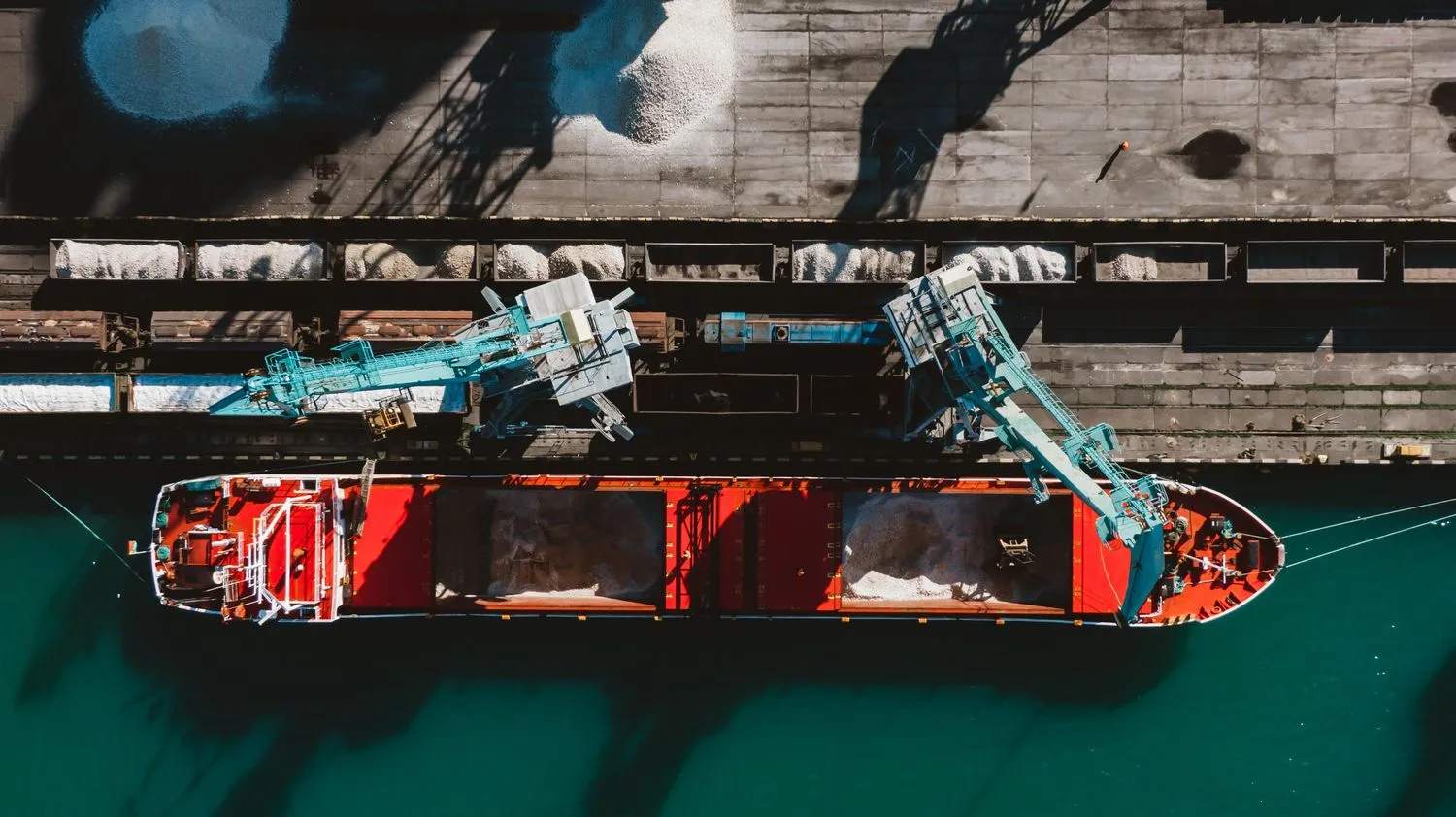
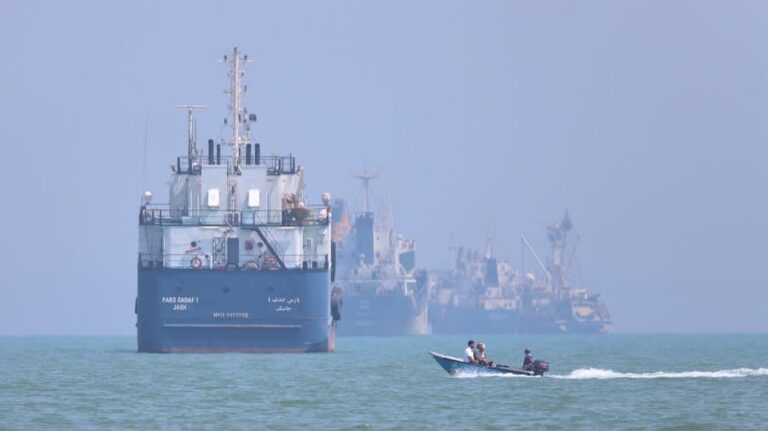
The announcement of a U.S.-Iran peace deal on June 14, with a formal signing scheduled for June 19 in Switzerland, has raised hopes that the Strait of Hormuz will soon reopen to commercial traffic after more than 100 days of effective closure. But for the global fertilizer trade, relief remains weeks away, as dozens of vessels carrying critical agricultural inputs sit stranded in the Gulf and analysts warn that oil and LNG tankers will be first in line once transits resume.aljazeera
The Strait of Hormuz was effectively closed by Iran on February 28, 2026, in retaliation for U.S.-Israeli military strikes. Daily vessel transits collapsed from roughly 130 before the conflict to as few as five to ten in recent weeks, according to Frontline CEO Lars Barstad, who told CNBC he expects oil tanker traffic to resume quickly once the deal holds. That prioritization of energy cargoes means fertilizer carriers — lower on the commercial pecking order — face an extended wait.aljazeera
The effective closure has stalled an estimated one-third of all global fertilizer trade, leaving three to four million tonnes per month unable to reach markets, according to the FAO. The World Bank reported that its fertilizer price index reached its highest level since October 2022 by April 2026, with urea prices climbing above $850 per metric ton — up 80 percent since February.global-agriculture
Abu Dhabi-based Fertiglobe, one of the world’s largest nitrogen fertilizer exporters, has resorted to trucking product overland to bypass the strait, with its CEO warning of food inflation in Asia if the blockade persists into summer. The Financial Times reported the company switched to land cargo to move products out of the Gulf. Japan’s Zen-Noh announced in May that it would raise wholesale fertilizer prices for the autumn 2026 season — distributed from June through October — by up to 14.5 percent for imported urea, 7.3 percent for potassium chloride, and 4.9 percent for calcium superphosphate.nationthailand
Even under a best-case scenario, North Dakota State University’s Agricultural Trade Monitor projects that fertilizer prices will remain structurally elevated, with a long-run floor of $532 per short ton — 13 percent above pre-crisis levels — and pre-crisis pricing unlikely to return before 2028. The World Bank forecasts the fertilizer price index will rise more than 30 percent in 2026 overall before easing in 2027 as exports recover.profarmer
As the BBC reported on June 2, some 20,000 sailors remain stuck in or around the strait, with at least one fertilizer vessel — the Bangladesh-owned Banglar Joyjatra carrying 37,000 tonnes bound for South Africa — having twice attempted passage without success. The release of trapped supply, once it arrives, could weigh on spot prices, but analysts caution that the damage to production infrastructure means full recovery will be gradual at best.bbc