







Newsletter Subscribe
Enter your email address below and subscribe to our newsletter

Enter your email address below and subscribe to our newsletter
All voices matter
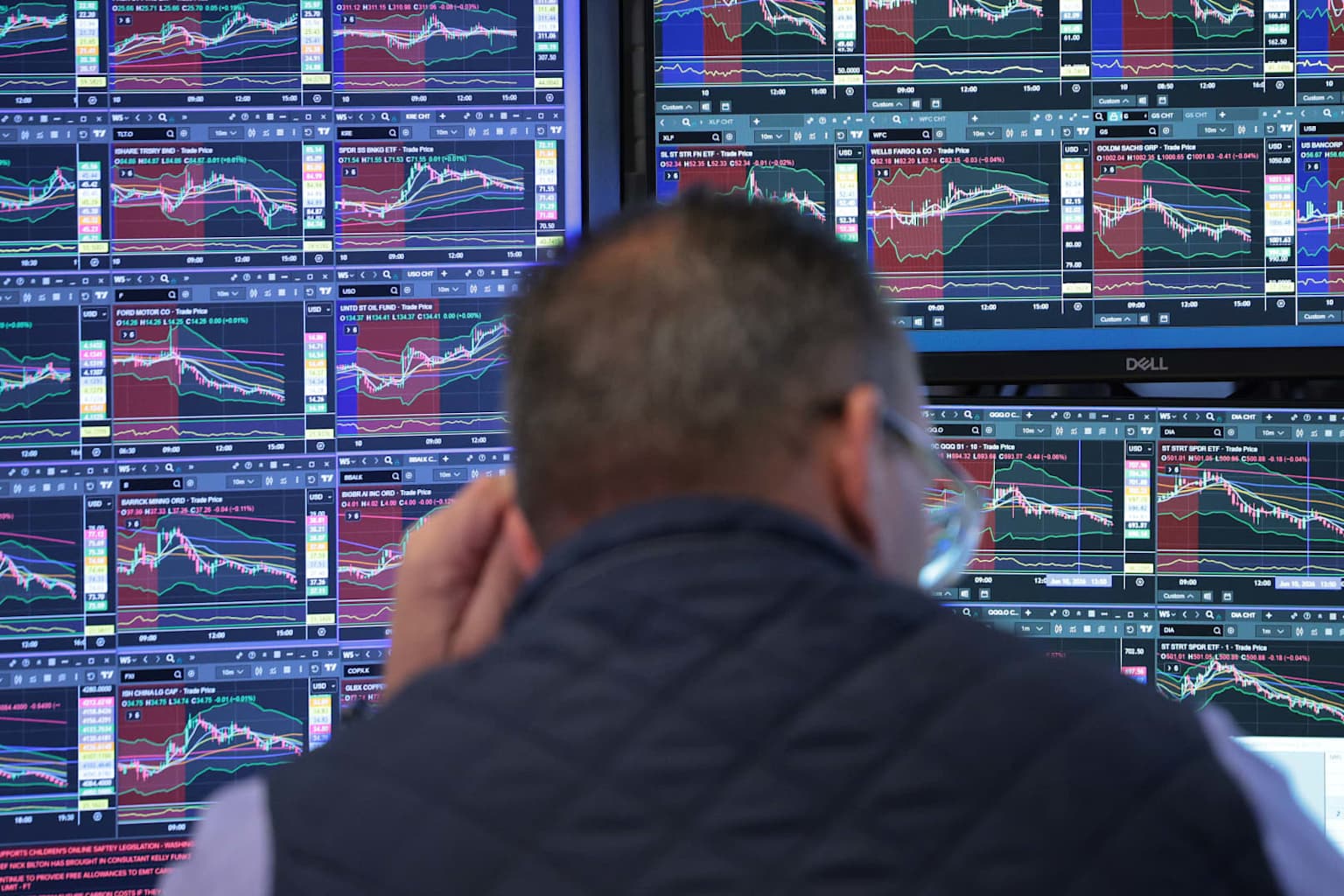
The announcement of a U.S.-Iran peace framework on Sunday has accelerated a shift already underway in global bond markets: investors who piled into Chinese government bonds as a refuge during nearly four months of war are now recalibrating portfolios as geopolitical risk recedes and traders unwind conflict-era hedges.
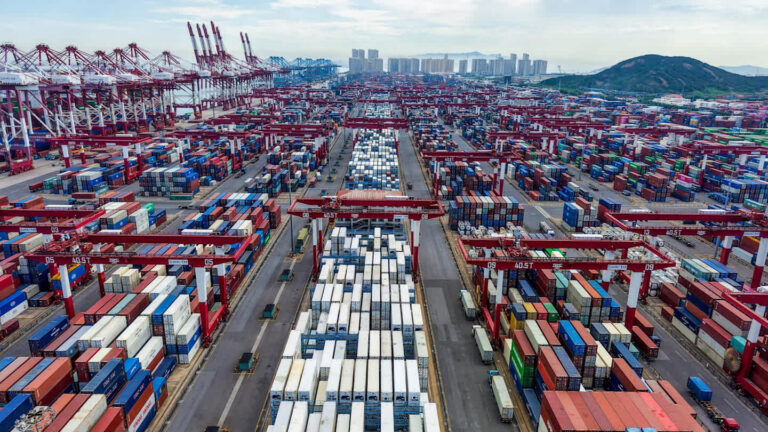
Chinese government bonds have sidestepped the global debt sell-off that defined the Iran war era, emerging as what the Financial Times called a “lone war haven.” While U.S. Treasury yields surged nearly 50 basis points as inflation fears gripped markets, China’s 10-year government bond yield remained broadly stable, holding at 1.75% as of June 15.cnbc
Reuters reported in April that Chinese debt markets drew $2.5 billion in foreign inflows in March alone, contrasting sharply with $16.7 billion in outflows from other markets. The Institute of International Finance noted in a June 4 report that Chinese bonds, equities, and the yuan “held up well during the Iran shock.” Record panda bond issuance — 136.5 billion yuan in the first five months of 2026, up 90% year-on-year — further underscored foreign appetite for yuan-denominated assets, according to the South China Morning Post.reuters
AllianceBernstein highlighted growing interest in China’s onshore bonds from investors seeking diversification and stable yuan assets.cnbc
With the U.S. and Iran confirming a memorandum of understanding on Sunday — with formal signing set for June 19 in Switzerland — markets moved swiftly into risk-on mode. Traders began unwinding war hedges across oil, currencies, and bonds, according to Saxo Group’s analysis published Monday.nbcnews
South Korea’s Kospi surged over 5%, Japan’s Nikkei 225 gained more than 3%, and the U.S. dollar softened as safe-haven demand faded. Saxo’s chief investment strategist Charu Chanana identified oil-importer currencies — including the Singapore dollar, Indian rupee, Korean won, and Japanese yen — as early beneficiaries of the peace dividend, alongside shorter-duration bonds where Fed hike expectations are being repriced lower.home
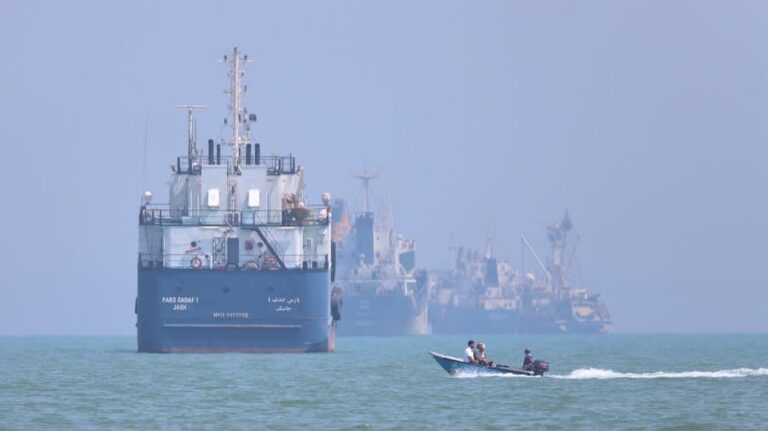
The relief trade carries important caveats. The deal still requires formal signing, and implementation risks persist around Strait of Hormuz reopening, nuclear negotiations within a 60-day window, and Israel’s ongoing military activity in Lebanon. Energy experts warned Monday that physical oil flows could take months to normalize despite the political agreement.aljazeera
As Chanana wrote: “Markets are likely to price the peace dividend before peace is fully proven.”home