





Newsletter Subscribe
Enter your email address below and subscribe to our newsletter

Enter your email address below and subscribe to our newsletter
All voices matter
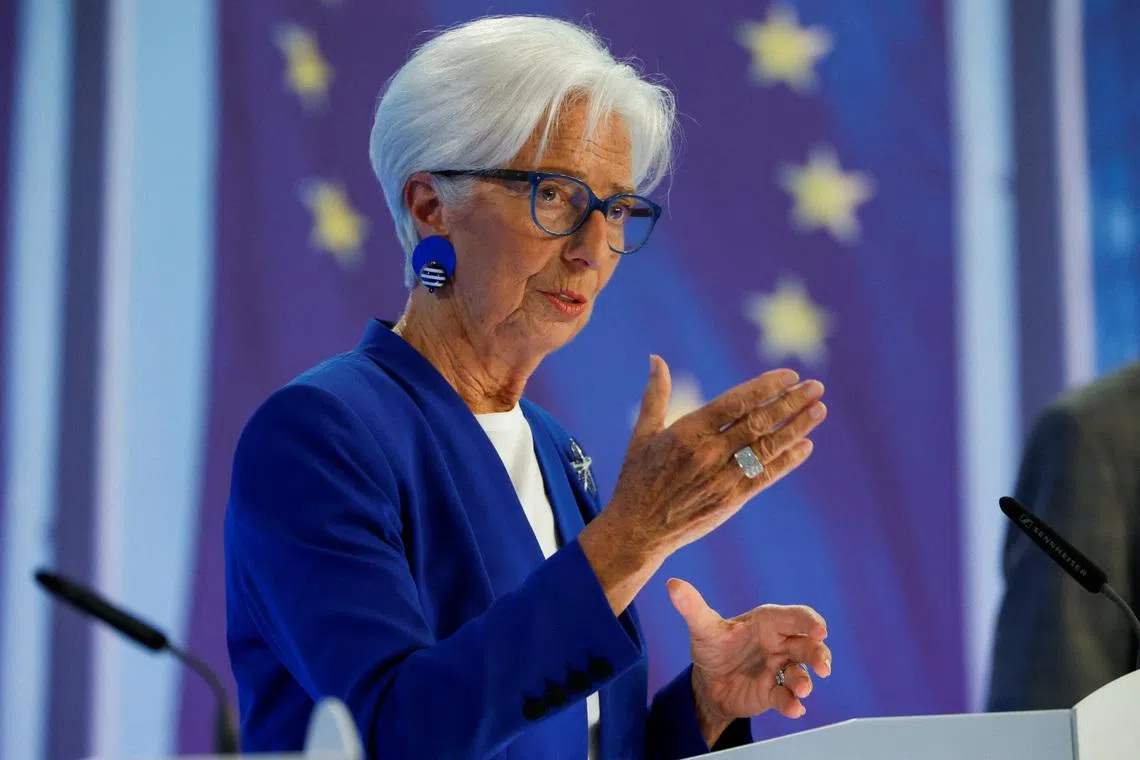
European Central Bank President Christine Lagarde on Monday welcomed the U.S.-Iran peace agreement as a potentially disinflationary development but cautioned that the damage from months of elevated energy prices is already feeding into the broader eurozone economy through wages and services prices.
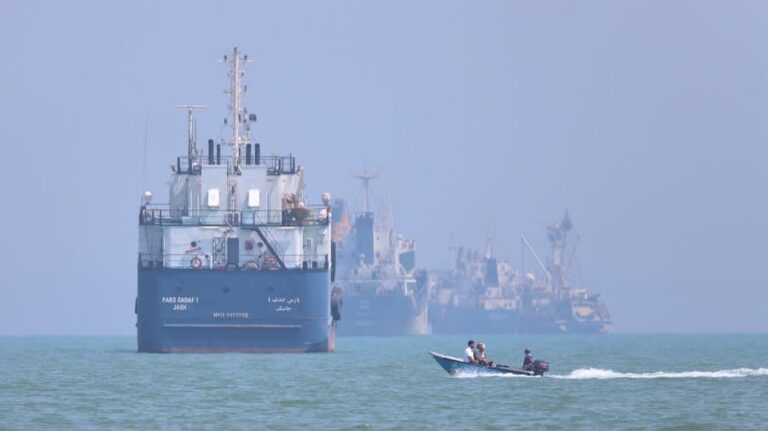
“We can only welcome what a peace deal means for Hormuz,” Lagarde told France Culture radio on Monday, referring to the Strait of Hormuz, the critical oil shipping lane that has been largely obstructed since the U.S.-Iran war began earlier this year. But she tempered the optimism, saying the ECB has “started to see second-round effects” from months of high energy costs rippling into the wider economy.straitstimes
“Indirect effects of inflation, we have absolutely started to see that more or less everywhere in recent weeks,” Lagarde said. “When we start to feel second-round effects bubble up — which are risks of wage increases in particular — we necessarily have to take measures”.bloomberg
The comments came hours after U.S. and Iranian officials confirmed overnight that they had reached an agreement to end their war and reopen the Strait of Hormuz, with a formal signing ceremony set for June 19 in Switzerland.cnbc
ECB Governing Council member Joachim Nagel, who heads Germany’s Bundesbank, struck an even more cautious tone. Speaking in Frankfurt, he warned that even a swift reopening of the Strait would not translate into immediate price relief for European consumers.straitstimes
“No relief is in sight for the foreseeable future,” Nagel said. “Even if the Strait of Hormuz were to become navigable again soon, it will take months for the oil supply to return to normal”. He added that eurozone inflation would remain elevated even under the ECB’s mildest scenario, and that the expiration of government measures to limit energy prices — which dampened the inflation rate by 0.4 percentage points in May — could push headline inflation higher still.straitstimes
Nagel reaffirmed that all options remain on the table for the ECB’s next policy meeting on July 22-23.yahoo
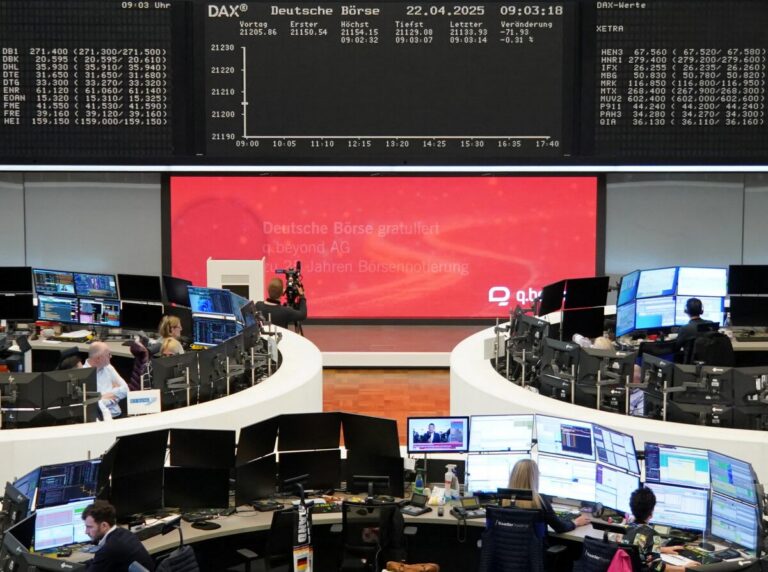
Financial markets reacted swiftly to the peace announcement. Investors who had been pricing in two more ECB rate hikes over the next year pared expectations to just one additional increase, with only a marginal chance of a further move. The ECB raised its deposit rate to 2.25% from 2% on June 11, its first hike in nearly three years, in response to inflation driven by the Iran conflict.cnbc
The euro rose 0.40% against the dollar on Monday as markets digested the geopolitical shift. Oil prices fell sharply, though analysts note the path from ceasefire to normalized energy supply remains long and uncertain.bitget