






Newsletter Subscribe
Enter your email address below and subscribe to our newsletter

Enter your email address below and subscribe to our newsletter
All voices matter
Government bond yields across Europe fell sharply on Monday as markets digested the announcement of a peace agreement between the United States and Iran, sending oil prices tumbling and reducing the inflation risk premiums that had driven borrowing costs higher since the conflict began in late February.
UK 10-year gilt yields eased toward 4.78%, their lowest level in roughly two months, according to Trading Economics data. German 10-year Bund yields, the eurozone benchmark, also declined, with the Wall Street Journal reporting that Treasury yields hit multi-month lows overnight. The rally extended gains that began last week as deal expectations firmed, with Brent crude falling more than 4% to around $83.70 per barrel on Sunday night when markets reopened.tradingeconomics
Italian government bonds outperformed, as reduced geopolitical risk eased pressure on eurozone periphery debt. Italian BTP yields had already been trending lower at recent auctions as investors positioned for a potential peace deal. The spread compression reflected improved sentiment toward more indebted eurozone nations, a trend that had been interrupted when the conflict sent energy costs soaring and forced the European Central Bank to raise interest rates on June 11 for the first time since 2023.cnbc
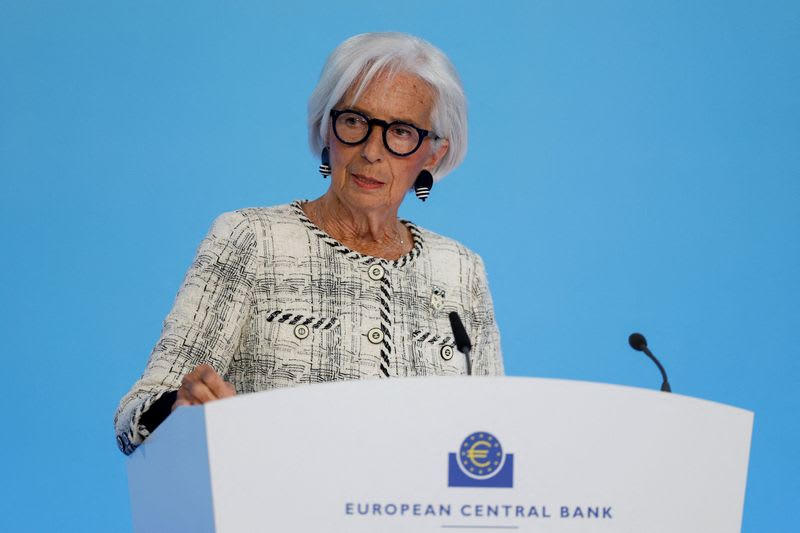
ECB President Christine Lagarde said Monday that the ceasefire agreement was “good news,” particularly as it could lead to a reopening of the Strait of Hormuz and lower oil prices. The remarks signaled the central bank may have more room to pause its tightening cycle after hiking rates just days earlier in response to energy-driven inflation.globalbankingandfinance
The deal, announced Sunday by President Trump on Truth Social and confirmed by Iranian Deputy Foreign Minister Kazem Gharibabadi, calls for an immediate end to military operations on all fronts including Lebanon, the lifting of the US naval blockade, and a toll-free reopening of the Strait of Hormuz. A formal signing ceremony is scheduled for June 19 in Switzerland.aljazeera
Despite the rally, analysts note that full normalization of energy flows could take months. US Energy Secretary Chris Wright said last week it could take “many months” for supplies to stabilize given concerns about naval mines and stranded vessels. The deal also leaves the fate of Iran’s nuclear program to further 60-day negotiations, and Trump warned Sunday he would resume strikes if Tehran fails to reach a final nuclear agreement.nytimes
Bond markets had been pricing in further rate hikes from both the ECB and the Bank of England throughout the conflict. MUFG Research had expected 50 basis points of ECB tightening this year, a forecast that may now be revised if energy prices continue to decline.mufgresearch