







Newsletter Subscribe
Enter your email address below and subscribe to our newsletter

Enter your email address below and subscribe to our newsletter
All voices matter
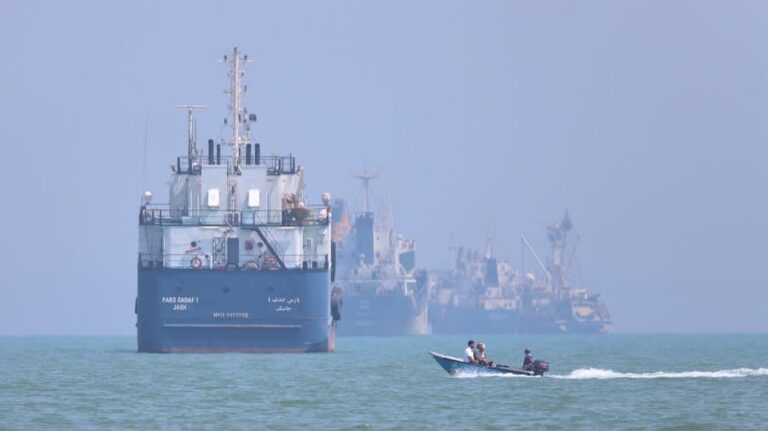
Grain and soybean futures opened lower Sunday night after the United States and Iran announced a ceasefire deal that includes reopening the Strait of Hormuz, a development that promises to ease fuel and fertilizer costs that have squeezed farmers for months. July corn traded near $4.09, July soybeans around $11.08, and wheat futures also declined as traders priced in the prospect of restored global shipping routes.
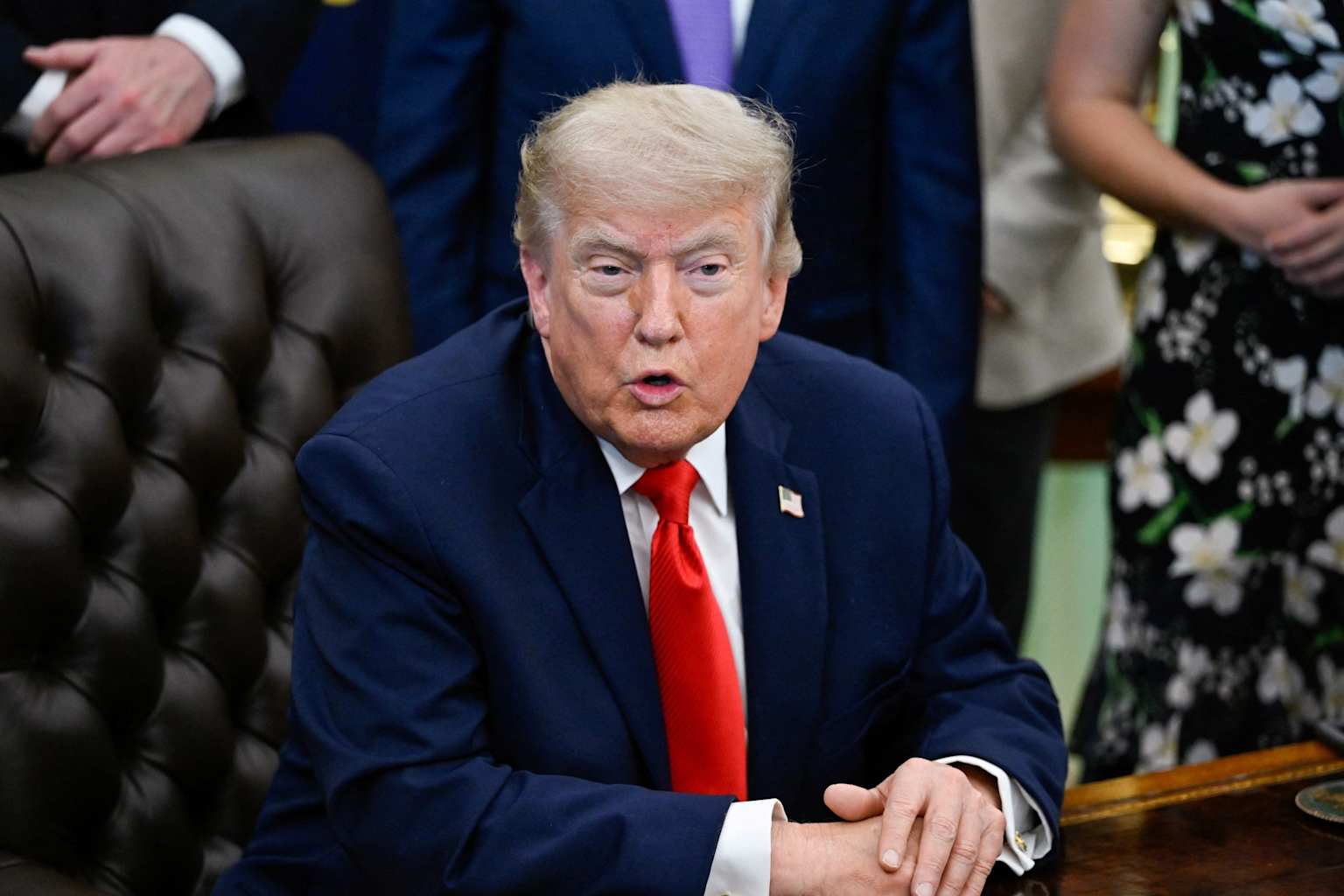
President Donald Trump announced on his Truth Social platform Sunday evening that an agreement with Iran had been finalized, confirming that the Strait of Hormuz would reopen “without tolls.” Pakistan’s Prime Minister Shehbaz Sharif, who mediated the talks, said the accord mandates “the immediate and permanent cessation of military operations across all fronts, including Lebanon,” with a formal signing ceremony scheduled for Friday in Geneva.aljazeera
The strait’s closure since late December had driven fertilizer prices sharply higher. According to the World Bank, urea prices climbed above $850 per metric ton in April — up 80 percent since February — as the Middle East accounts for nearly one-quarter of global urea exports. A Purdue University analysis noted that nitrogen fertilizer prices at the Port of New Orleans jumped 32 percent within a week of the conflict’s onset. Pro Farmer had projected that if stability returned to the strait, fertilizer markets could ease by late 2026.worldbank
The modest nature of Sunday night’s decline reflects the fact that much of the geopolitical premium in grain markets had already dissipated. CME Group commentary from June 8 noted that corn futures had marked new contract lows following a seven-day liquidation streak — “the sharpest early June decline in years” — with the July contract closing at $4.21. Soybean futures had similarly hit their lowest levels since January amid improving Midwest weather.cmegroup
When the conflict began in late February, grain and oilseed futures had gapped sharply higher on fears of surging diesel prices and biofuel demand disruption. But as ceasefire talks progressed through April and May, speculative funds unwound long positions built on the geopolitical premium.profarmer
The deal’s ripple effects extend beyond U.S. markets. Nepal, which had its fertilizer supply chain disrupted when 94,500 tonnes of contracted shipments were stalled by the Hormuz blockade, initially sought 150,000 tonnes from India before scaling back to 80,000 tonnes in early May. By June, India agreed to supply 50,000 metric tons as global fertilizer prices began softening ahead of the deal’s announcement.linkedin
The World Bank had projected fertilizer prices would rise more than 30 percent in 2026 but ease in 2027 “as exports recover and new supply comes online.” Sunday’s deal may accelerate that timeline.worldbank