







Newsletter Subscribe
Enter your email address below and subscribe to our newsletter

Enter your email address below and subscribe to our newsletter
All voices matter

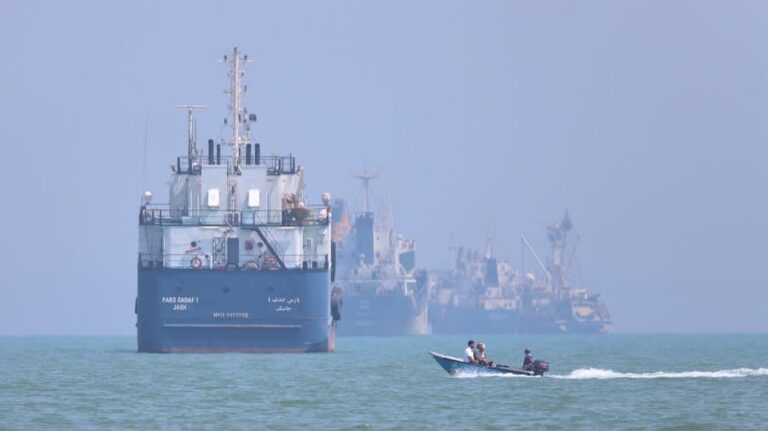
More than three months after the effective closure of the Strait of Hormuz, the constellation of factors that have prevented oil prices from surging past $100 per barrel is rapidly unraveling, with analysts warning that a market inflection point could arrive within weeks.
ING’s head of commodities strategy Warren Patterson identified the end of July as a potential breaking point for the oil market, warning that the three pillars holding prices in check — record U.S. crude exports, China’s reduced imports, and coordinated strategic petroleum reserve releases — are becoming increasingly untenable. ING’s base case projects Brent crude averaging around $110 per barrel from July through September if flows through the strait remain constrained.yahoo
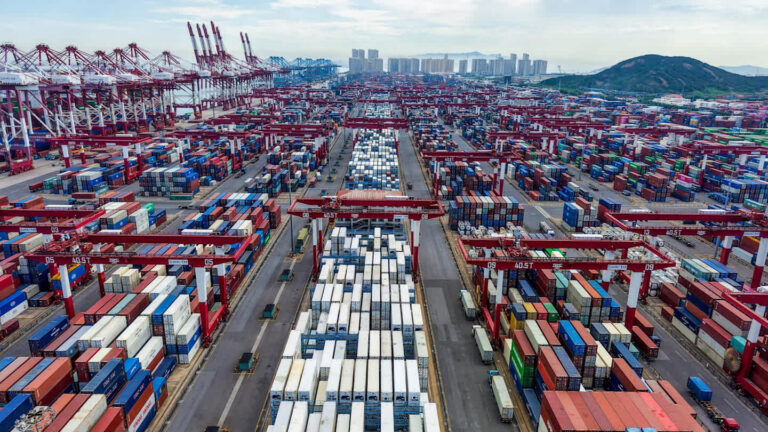
The scale of supply management has been extraordinary. The United States ramped exports to 5.2 million barrels per day in April, while governments worldwide have released an estimated 400 million barrels from emergency stockpiles. China, the world’s largest crude importer, has cut purchases to multi-year lows. But these measures are depleting at an accelerating pace.xtb
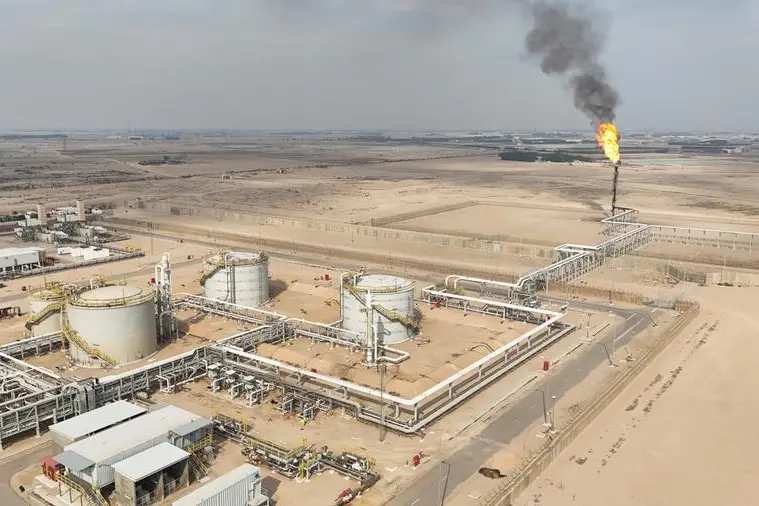
U.S. commercial crude oil inventories have fallen for eight consecutive weeks, according to American Petroleum Institute data reported by Reuters, with the most recent week showing a draw of 9.12 million barrels. The Energy Information Administration confirmed inventories fell to 426.5 million barrels for the week ending June 5, approximately 5% below the five-year average.wsj
Reuters reported that S&P Global has identified 325 million barrels as a “danger zone” threshold for U.S. commercial crude stocks, warning that below this level “the market could see non-linear price movements”. At the current pace of draws averaging 7-9 million barrels per week, that threshold could be reached later this summer.reuters
The International Energy Agency’s Toril Bosoni warned in early June that “there is a possibility, or even a likelihood, that we will approach critical levels or historical lows just as peak summer demand arrives”. The EIA projects OECD oil inventories will fall to their lowest level since at least 2003 by year-end.journalrecord
Macquarie Group warned in March that oil could hit $200 per barrel if the war dragged on, though the conflict has now outlasted the bank’s worst-case timeline. More recently, Reuters reported that the actual supply shortfall may be closer to 5-6 million barrels per day rather than the 14 million initially estimated, as Gulf producers have found alternative export routes.bloomberg
President Trump’s cancellation of planned military strikes against Iran on June 11, citing progress in discussions, offered a glimmer of diplomatic hope. Frontline CEO Lars Barstad told CNBC that commercial shipping could resume quickly if a stable agreement is reached. But with no deal finalized and Iran’s military command still declaring the strait closed to all vessels, the clock continues to tick toward what analysts warn could be a summer of acute energy stress.reuters