







Newsletter Subscribe
Enter your email address below and subscribe to our newsletter

Enter your email address below and subscribe to our newsletter
All voices matter

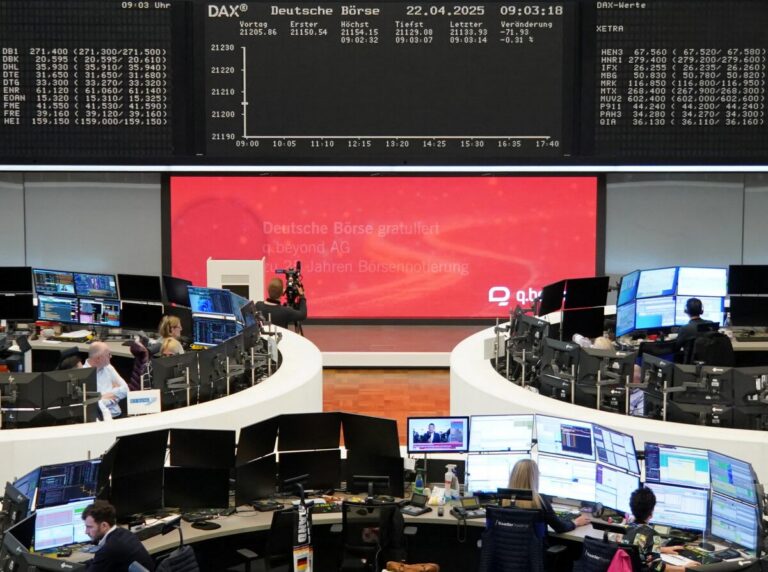
The Bloomberg Commodity Index is on track for its fourth consecutive weekly decline, down about 5% over the past five days and nearly 9% over the past month, as markets increasingly price in a normalization of Gulf energy exports following diplomatic signals between Washington and Tehran.marketwatch
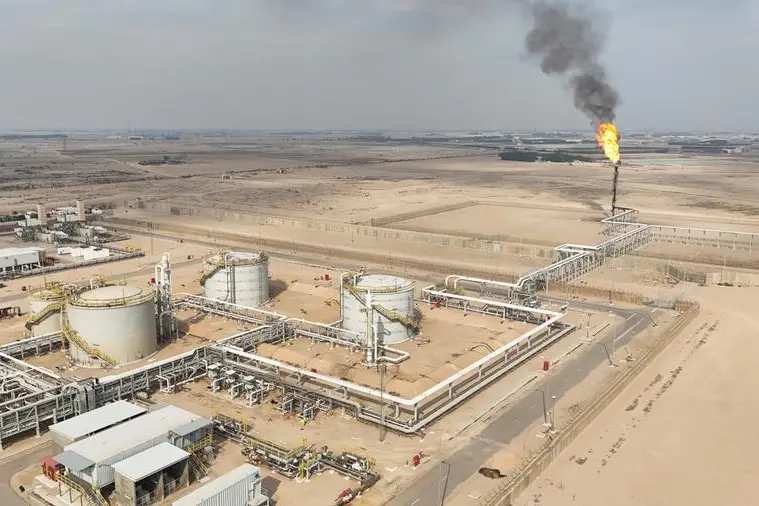
The selloff accelerated on Friday after Iranian state media published a 14-point proposal that would see the United States lift its naval blockade and the Strait of Hormuz reopen within 30 days. Oil prices fell in response, though losses were trimmed after President Donald Trump disputed the leaked terms, saying they “do not align with what was agreed upon in writing.”cnbc
Gold has been among the hardest-hit commodities, falling below its 200-day moving average for the first time since October 2023. As of earlier this week, the metal was trading around $4,137 an ounce — its lowest since late March — after Citi Research cut its three-month price target by $300 to $4,000. The breakdown below the 200-day average, tracked near $4,412, has turned the level from support to resistance, according to analysts.a1trading
J.P. Morgan maintained a more constructive longer-term view, forecasting gold will average $6,000 per ounce by the fourth quarter of 2026.jpmorgan
Copper staged a partial relief rally on Friday, rising over 3% as short sellers reduced exposure following weeks of pressure from macro concerns and Middle East volatility. The metal had slipped earlier in the week alongside other base metals as geopolitical uncertainty and hawkish central bank expectations weighed on industrial commodities.reuters
Meanwhile, the Japan Meteorological Agency formally declared on Monday that El Niño conditions have been present since spring 2026 and are virtually certain to persist through autumn. The U.S. National Oceanic and Atmospheric Administration followed on Thursday with its own confirmation, noting sea surface temperatures in the tropical Pacific have surpassed the threshold for an El Niño classification. Forecasters warn the event could become one of the strongest on record, with the European Centre for Medium-Range Weather Forecasts projecting Pacific temperatures rising nearly 3.8°C above average by December.dailymaverick
The convergence of geopolitical de-escalation hopes and El Niño-related supply risks creates a mixed picture for commodity markets. While peace between the U.S. and Iran could unlock significant oil and gas flows through the Strait of Hormuz — which typically carries one-fifth of global oil and liquefied natural gas — El Niño raises the prospect of droughts across Australia, Indonesia, and parts of Asia that could disrupt agricultural and energy supply chains in the months ahead.bbc