







Newsletter Subscribe
Enter your email address below and subscribe to our newsletter

Enter your email address below and subscribe to our newsletter
All voices matter
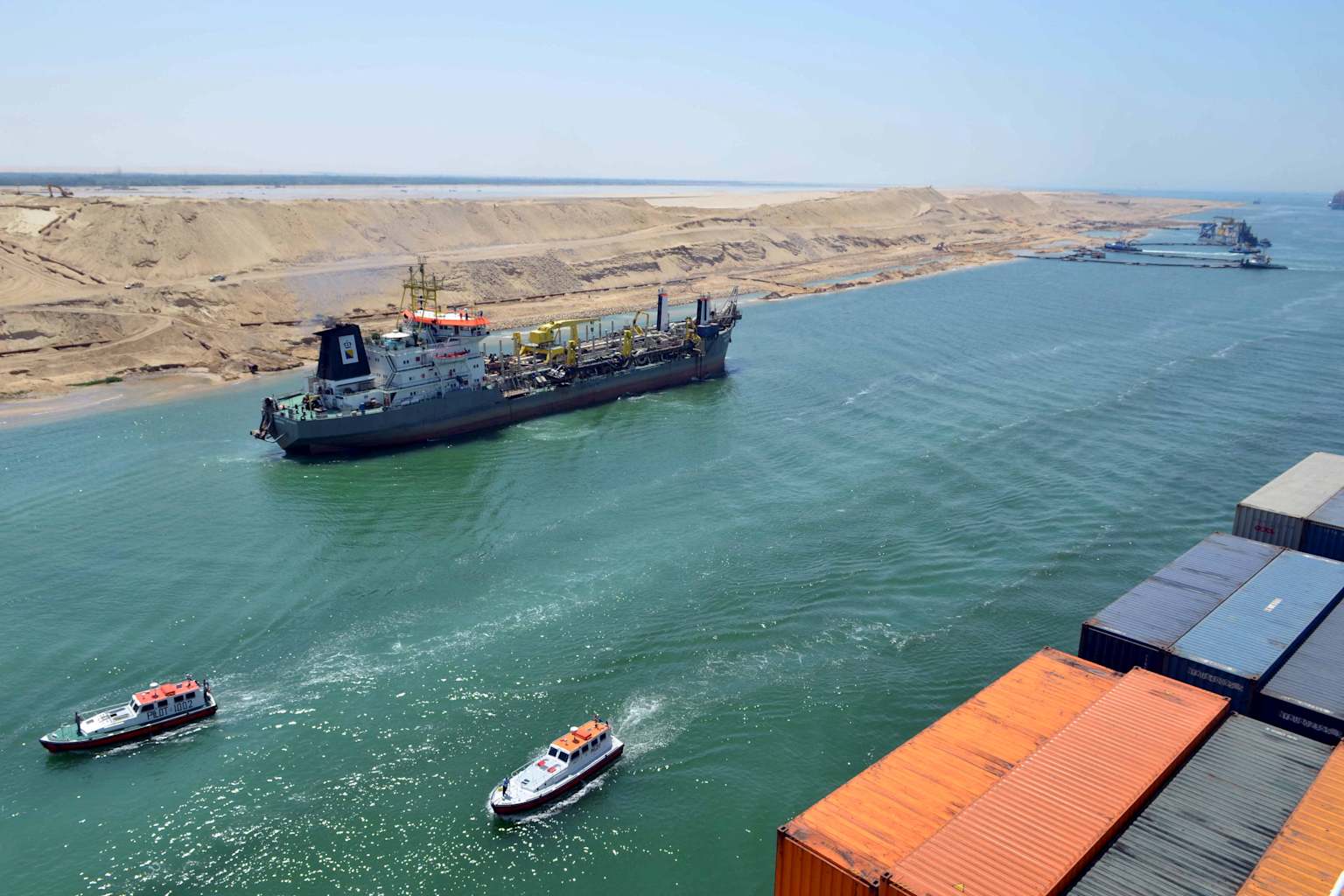
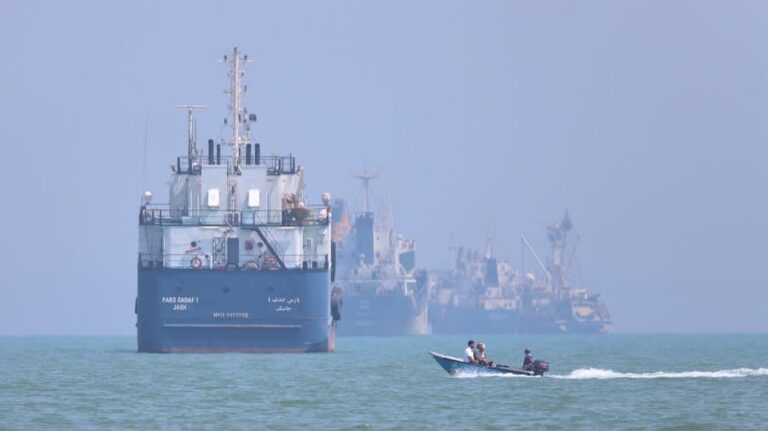
More than 100 days after the Strait of Hormuz effectively closed to commercial shipping, refined fuel exports from the Persian Gulf are showing early signs of recovery as producers exploit alternative routes and a covert U.S. Navy operation helps vessels navigate the contested waterway.
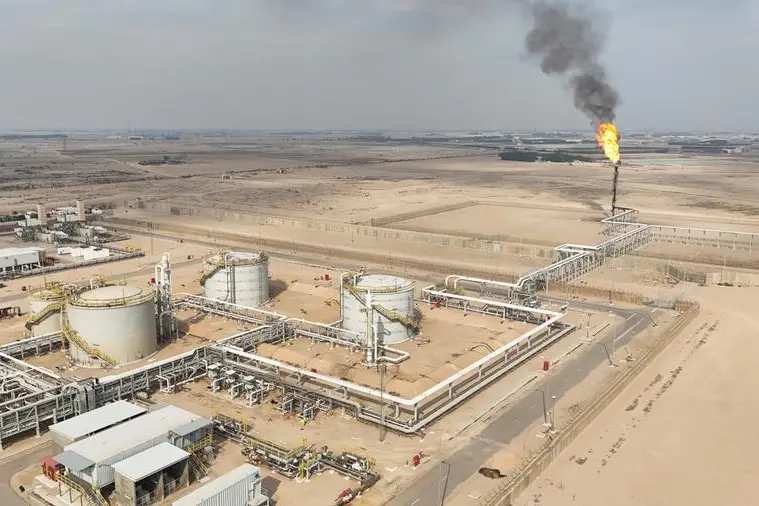
Shipping data from Kpler and Vortexa shows Saudi Arabia exported between 118,000 and 140,000 barrels per day of jet fuel to Europe through its Red Sea port of Yanbu in the first week of June — the highest level since August 2025 and nearly double the January average of 77,000 barrels per day. The increase reflects Saudi Arabia’s reliance on its 1,200-kilometer East-West pipeline, which bypasses the strait entirely by connecting eastern oil fields to Red Sea terminals.youtube
The uptick in fuel flows coincides with President Trump’s June announcement that a “secret mission” had helped more than 200 commercial ships and over 100 million barrels of oil transit the Strait of Hormuz over the previous month. Lars Barstad, CEO of Frontline, told CNBC that traffic through the strait could rise swiftly if the U.S. and Iran reach a security agreement, though he cautioned that daily transits remain at just five to ten vessels — far below the prewar level of 130 to 140.cnbc
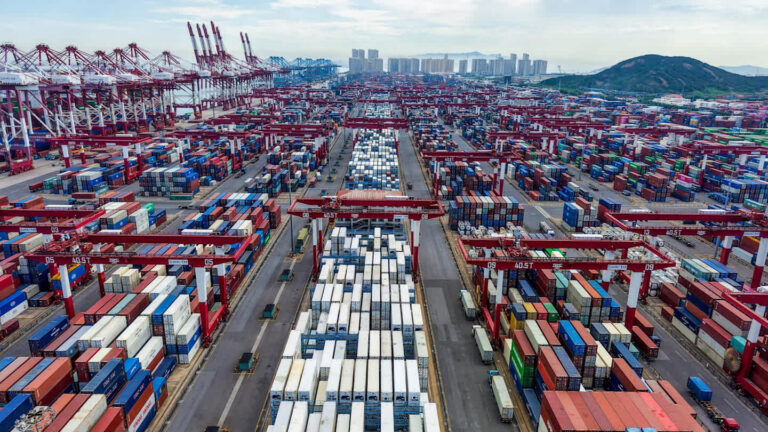
Despite the partial recovery, downstream markets remain under severe strain. Singapore’s combined onshore oil product stocks fell to 34.41 million barrels in the week ending June 10, the lowest since July 2013, according to Enterprise Singapore data reported by Reuters. Residual fuel stocks in the city-state hit an eight-year low of 14.84 million barrels, underscoring the cumulative toll of three months of disrupted Persian Gulf flows.reuters
The U.S. Energy Information Administration said in its June outlook that high fuel prices, reduced availability, and government conservation initiatives have cut global oil demand by 1.1 million barrels per day compared with last year. The agency warned that while reduced demand could temper price increases, Middle Eastern production shut-ins still average 11.3 million barrels per day.facebook
Analysts remain cautious about declaring a durable rebound. A MUFG research note dated June 9 described Hormuz as “effectively closed” on its 100th day of disruption, with Iran maintaining control through asymmetric drone and missile capabilities. The Center for Strategic and International Studies noted on June 10 that access to the waterway “remains contested” following U.S. and Israeli strikes on Iran that began in late February.mufgamericas
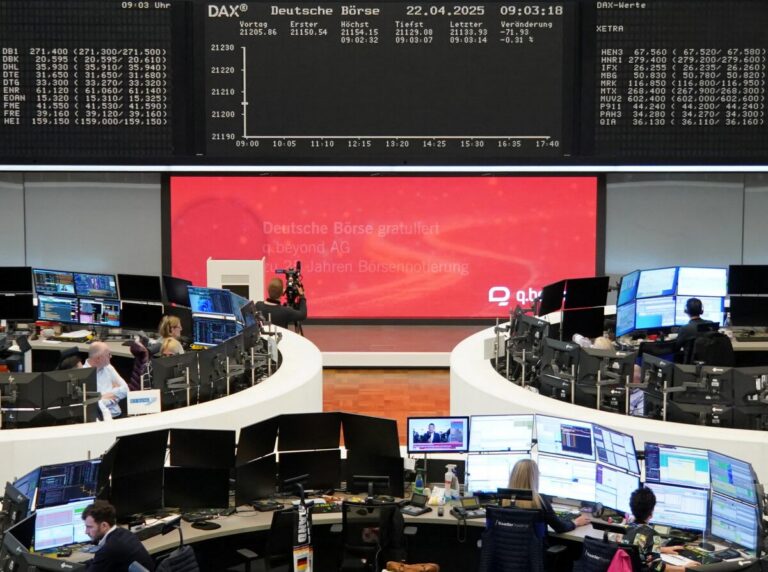
Brent crude futures have stabilized near $100 per barrel, according to Saxo Bank, with the physical benchmark’s premium to front-month futures retreating from a record $36 in early April to roughly $2. Naeem Aslam of Zaye Capital Markets said traders “are not pricing peace yet — they are pricing fragile de-escalation”.rigzone