







Newsletter Subscribe
Enter your email address below and subscribe to our newsletter

Enter your email address below and subscribe to our newsletter
All voices matter
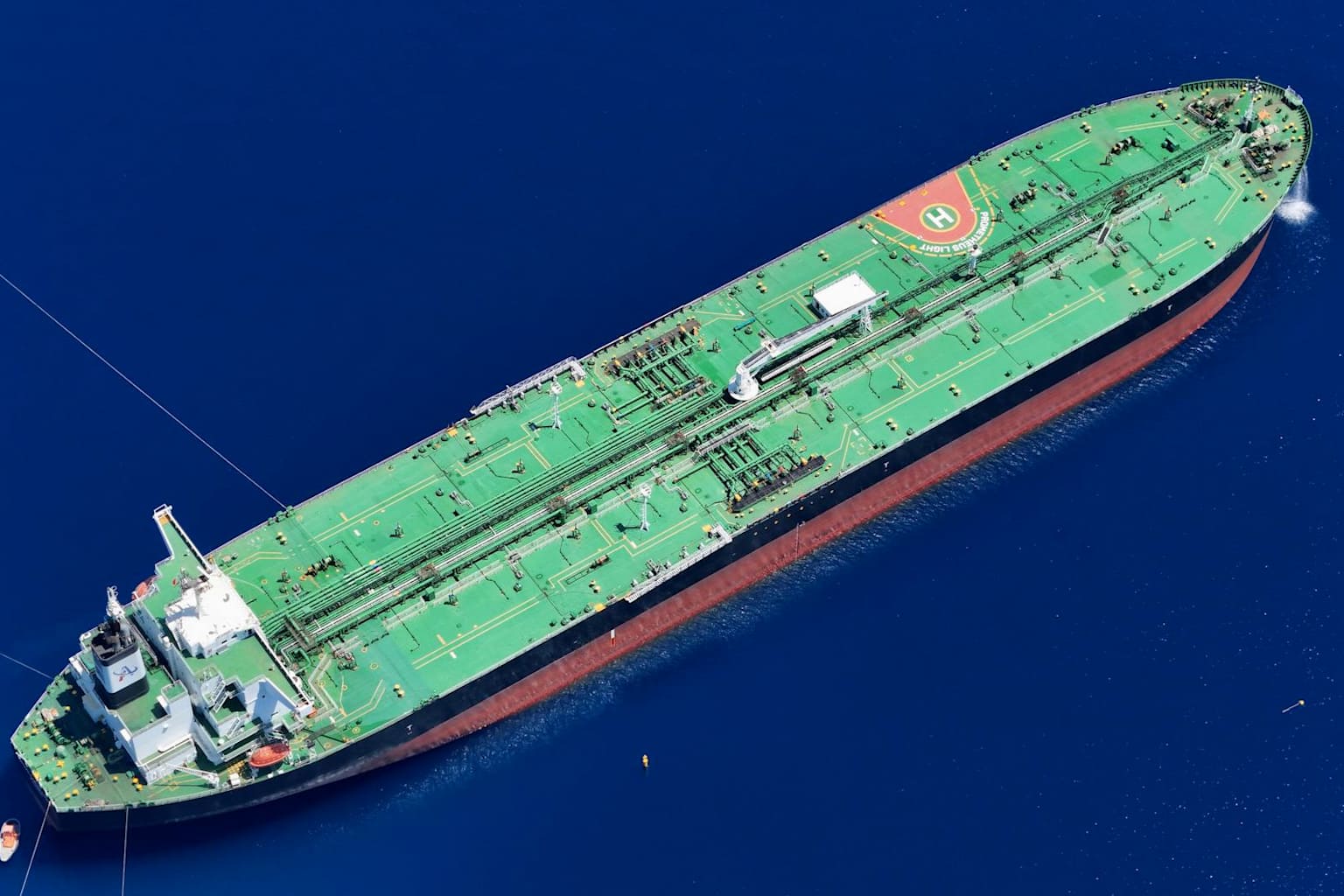
Actual oil supply losses from the Persian Gulf are far smaller than the market had assumed for months, according to traders, shipping analysts, and satellite data — a revelation that helps explain why crude prices have fallen sharply despite the ongoing U.S.-Iran war.
Reuters reported Friday that shipping data firm Kpler estimates approximately 136 million barrels of non-Iranian crude moved through the Strait of Hormuz and Gulf of Oman export channels between early April and June 10, averaging about 1.9 million barrels per day. Sources at two major trading houses told Reuters the real supply shortfall may be closer to 5 to 6 million barrels per day — painful but far below the worst-case scenarios of near-total loss that had gripped the market since Iran declared the strait “closed” in late February.reuters
President Trump disclosed on June 10 via Truth Social that he had directed the military to “execute a secret mission” supporting oil tankers and commercial ships through the strait, claiming the effort moved more than 100 million barrels of oil and over 200 commercial vessels into the open market. A defense official told CNBC that U.S. forces are not directly escorting ships but rather “communicating and coordinating” with vessels seeking safe passage.cnbc
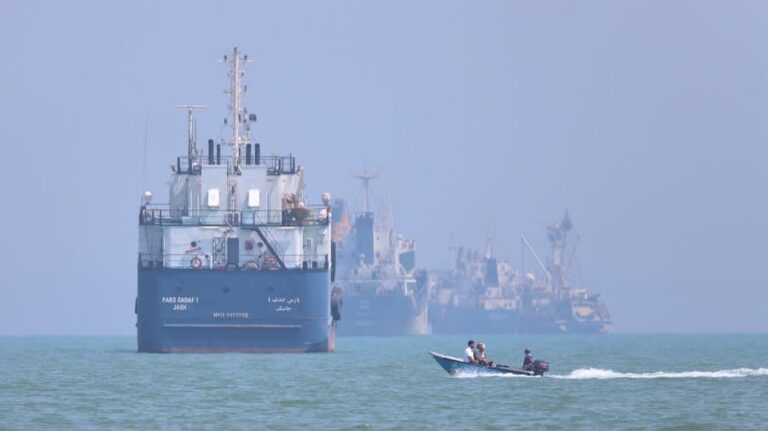
The claim was partially corroborated by Lloyd’s List Intelligence, the maritime data provider, which reported that the U.S. military has been conducting “quiet naval overwatch” using unmanned vehicles, aircraft, and drones to guide tankers through the southern section of the strait near Oman. Richard Meade, Lloyd’s List’s editor-in-chief, told The Guardian that tankers are exiting the Gulf with their AIS transponders switched off, performing ship-to-ship transfers in the Gulf of Oman, then returning empty through the strait to reload — “under the cover of darkness”.theguardian
Between June 1 and June 7 alone, Lloyd’s List recorded 36 transits through the strait, with 17 classified as “dark”.theguardian
Brent crude fell sharply on Friday, dropping below $88 per barrel — down from above $93 earlier in the week — as traders unwound war-risk premiums. The decline accelerated after Trump cancelled planned strikes on Iran and suggested a peace deal could come as early as this weekend.icis
Goldman Sachs warned last week that global oil demand has fallen more than expected, maintaining a fourth-quarter Brent forecast of $90. JPMorgan had estimated that around 2 million barrels per day might be leaving on tankers with transponders off — a figure now largely confirmed by the Kpler data.reuters
Still, analysts caution that global inventories have been drawn down substantially since the war began on February 28, leaving the market vulnerable. As one trading source told Reuters, even the reduced shortfall means the world is consuming stored oil at an unsustainable pace.reuters