






Newsletter Subscribe
Enter your email address below and subscribe to our newsletter

Enter your email address below and subscribe to our newsletter
All voices matter
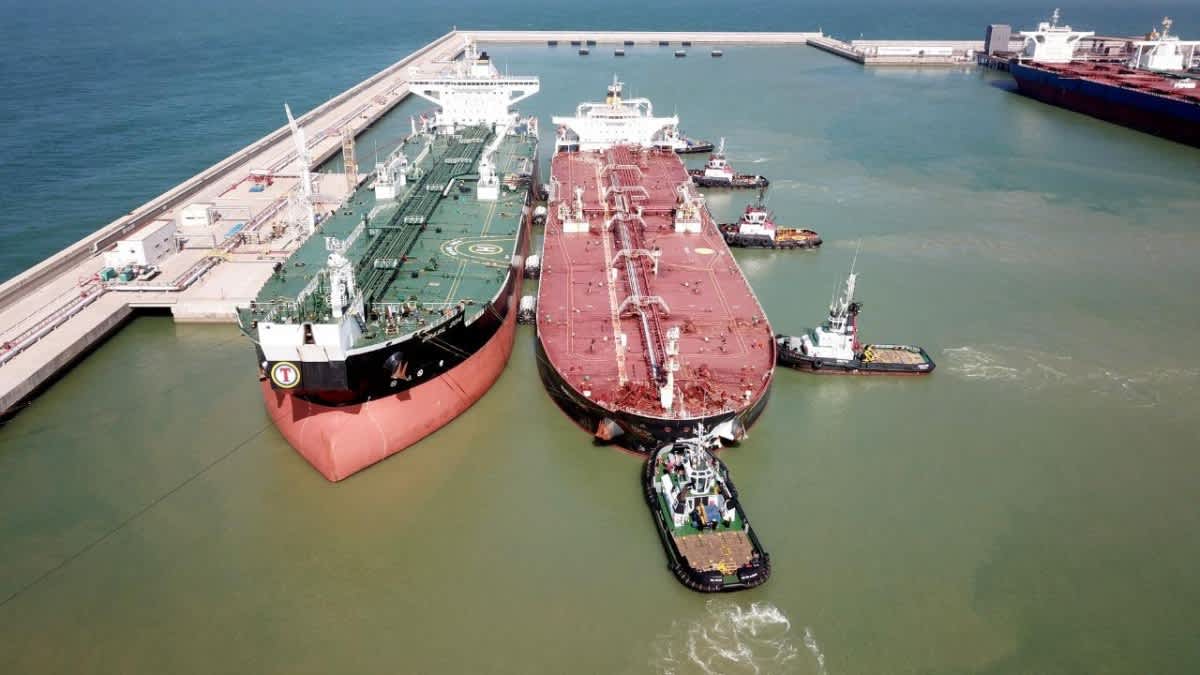
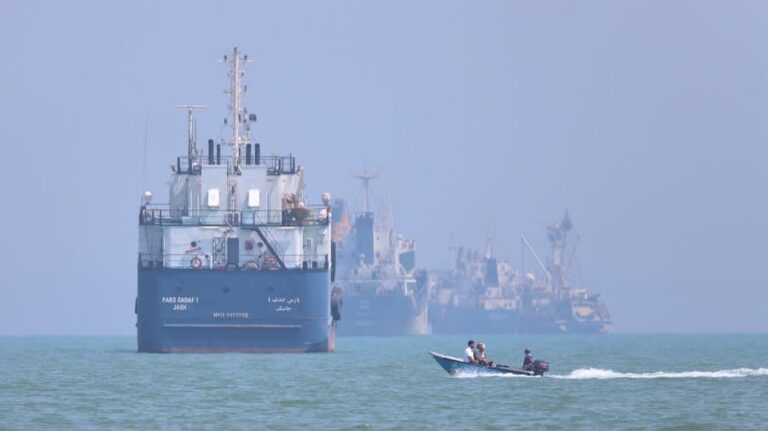
The potential reopening of the Strait of Hormuz — effectively shut since Iran retaliated against U.S. and Israeli airstrikes in late February — threatens to plunge global oil markets into a supply glut that could undermine OPEC’s pricing power for years, according to analysts and ratings agencies.
Fitch Ratings warned in a June 5 report that global oil markets are projected to return to oversupply from September 2026, driven by the recovery of West Asian production, strong non-OPEC output, and potential OPEC production increases. The agency’s base case assumes the strait will reopen around the end of July, at which point Brent crude could fall to approximately $70 per barrel from current levels above $100.fitchratings
Reuters columnist Ron Bousso wrote on Wednesday that the eventual reopening “could be OPEC’s undoing,” as the flood of returning Gulf barrels meets a market that has already found alternative suppliers.reuters
The disruption has reshaped global trade flows. South America has emerged as the largest source of new oil exports in 2026, adding 155 million barrels between January and May compared with the same period a year earlier, surpassing the additional 112 million barrels the United States shipped during that time, according to Kpler data cited by Reuters.oilprice
Prior to the conflict, the oil market was already in a glut, with supply exceeding demand and prices low. Brookings Institution analyst noted that “oil production in OPEC countries has fallen more than 30% since the beginning of the war,” and that with the UAE’s departure from OPEC on May 1 and the uncertain security environment, “OPEC is likely to have a less prominent position in oil markets and oil prices in the future”.brookings
OPEC’s output in May hit its lowest in more than two decades at 16.13 million barrels per day, according to a Reuters survey published June 10.reuters
Even as Gulf producers remain largely locked out of export markets, OPEC+ approved its fourth consecutive output quota hike on June 7, adding 188,000 barrels per day for July — a move Bloomberg called “symbolic” given that most members cannot meet their targets while the strait remains closed.gosships
OPEC also trimmed its 2026 demand growth forecast for a second consecutive month on June 10, now projecting growth of just 970,000 barrels per day. Analysts note that once Gulf infrastructure restarts — a process S&P Global estimates could take up to six months to reach 80 percent of pre-war levels — returning barrels will compete with entrenched alternative suppliers who have built new trading relationships with Asian importers during the crisis.youtube
The Brookings Institution concluded that the risk profile of Persian Gulf producers “will be different in the future, understanding that Iran has the will and the means to block the Strait of Hormuz”. For OPEC, the question is no longer just when the strait reopens, but whether the market it returns to will still have room for its oil.brookings