






Newsletter Subscribe
Enter your email address below and subscribe to our newsletter

Enter your email address below and subscribe to our newsletter
All voices matter
Pacific Investment Management Co., one of the world’s largest bond managers, warned Thursday that the rapid growth of complex credit structures has reached a point that warrants close monitoring for the first time since the global financial crisis of 2008.
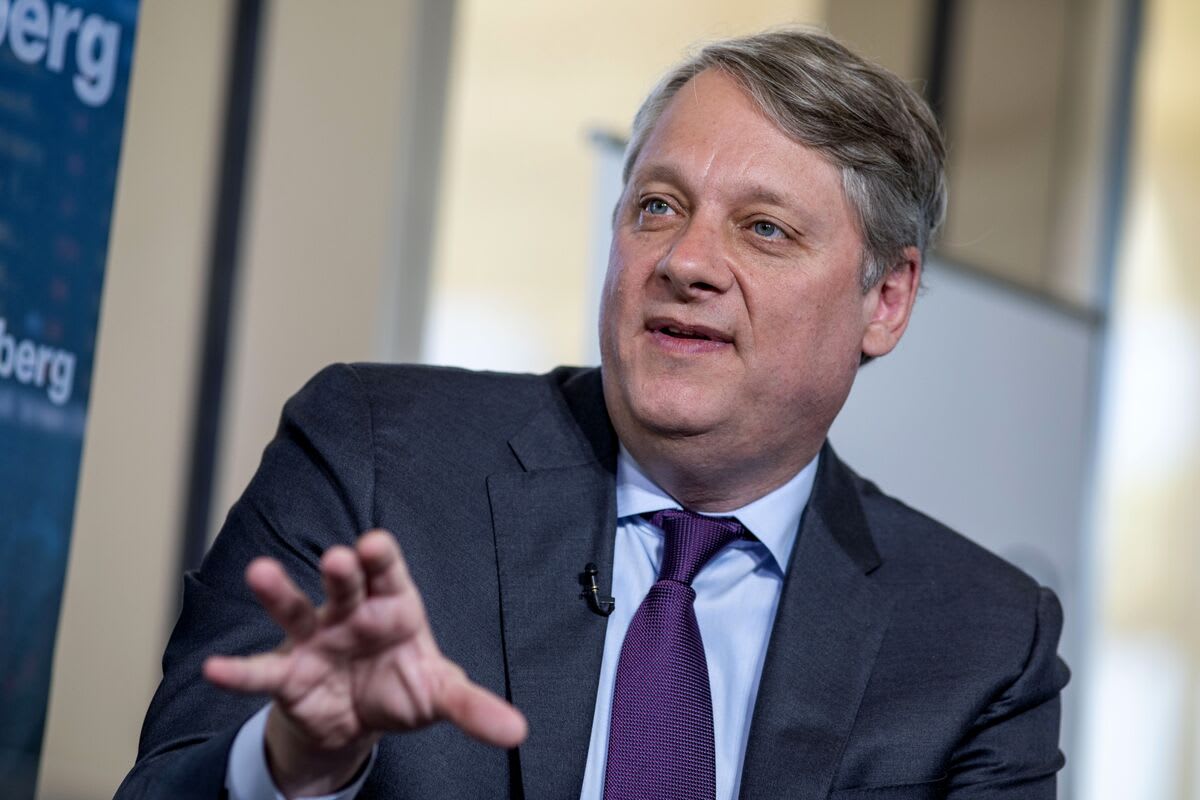
Dan Ivascyn, Pimco’s chief investment officer, said at a press briefing that the firm now views the trend in financial engineering as worth watching after years of not being particularly concerned, according to Bloomberg. The warning came as part of the firm’s annual secular outlook report, titled “Rupture and Resilience,” published this week.bloomberg
The secular outlook, authored by Ivascyn alongside colleagues Richard Clarida and Andrew Balls, declared that “the credit loss cycle is upon us” and forecast “significantly higher losses in lower-quality credit such as leveraged and private direct lending”. The report pointed to years of aggressive underwriting, high leverage, and the widespread use of floating-rate structures enabled by abundant capital and “buy the dip” investor behavior.bloomberg
Pimco flagged the acceleration of financial engineering across private credit, private-equity-adjacent structures, and insurance balance sheets, where incentives to pursue higher-yielding assets remain strong. The firm also raised concerns about specialized ETFs offering passive and leveraged exposure to less-established corners of the market. “An investment grade label does not always imply investment grade risk, particularly when ratings rely heavily on structure rather than underlying asset resilience,” the report stated.pimco
The warning lands in a moment of acute uncertainty. The global economy is contending with one of the largest oil supply shocks in modern history following the disruption of the Strait of Hormuz, which has effectively removed roughly 15% of global oil supplies from the market, according to Reuters. That energy shock has added inflationary pressure at a time when the Federal Reserve, now led by newly sworn-in Chair Kevin Warsh, is widely expected to hold interest rates steady at 3.50% to 3.75% through the end of 2026.cnbc
Pimco’s report described a world undergoing “rupture rather than a mere transition” away from the post-World War II order, citing escalating trade confrontations, a massive AI investment boom, and emerging stresses in opaque financial structures. The firm argued that artificial intelligence spending, combined with rising defense and energy security outlays, could add roughly $14 trillion to global capital spending over the next five years — a force that will widen the gap between winners and losers across corporate balance sheets.pimco
Despite the cautionary tone, Pimco stopped short of calling the situation systemic, writing that it does “not see parallels to the buildup of risk that preceded the global financial crisis” — though it said the trend “bears scrutiny”. The firm urged investors to favor high-quality fixed income and asset-based finance over lower-quality corporate credit, arguing that bond yields now offer returns competitive with long-run equity performance at materially lower volatility.pimco