





Newsletter Subscribe
Enter your email address below and subscribe to our newsletter

Enter your email address below and subscribe to our newsletter
All voices matter
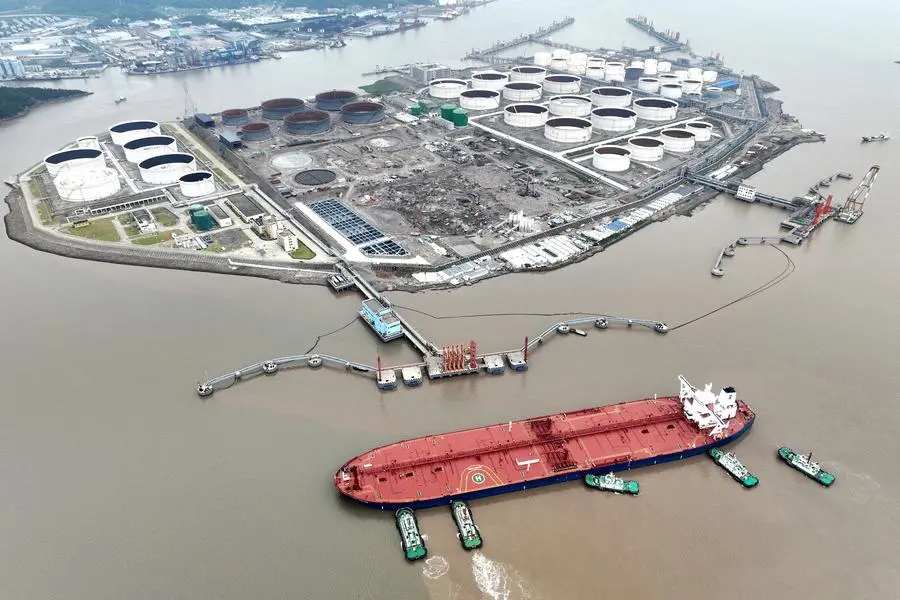
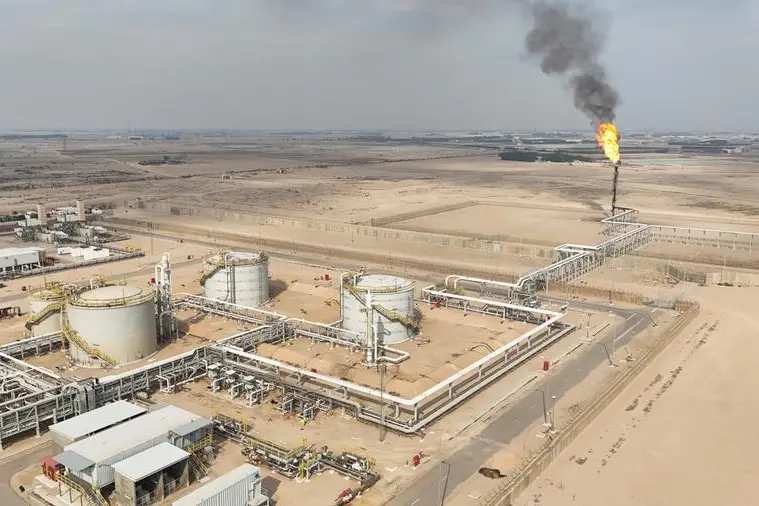
Saudi Arabia’s crude oil sales to China are set to remain at record lows in July, with the state oil giant expected to ship just 12 million barrels — roughly 387,000 barrels per day — to Chinese customers, according to Reuters. The figure marks a continuation of a historic decline in flows between the world’s largest oil exporter and its biggest customer, driven by elevated prices tied to the ongoing U.S.-Israeli military campaign against Iran.oedigital
Before the conflict began on February 28, Saudi Arabia regularly exported 40 to 50 million barrels per month to China. That volume has collapsed as the war pushed crude prices sharply higher. Aramco cut its July official selling price for Arab Light crude to Asia by $6 a barrel from the prior month, but the price still carries a $9.50-per-barrel premium — well above pre-war levels.wsj
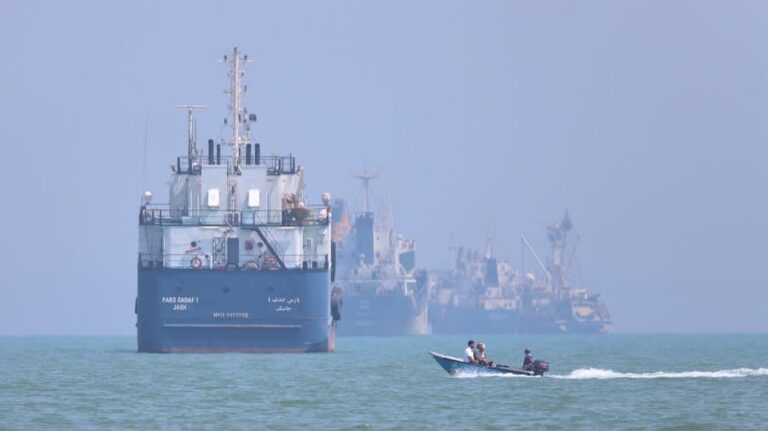
Iran’s closure of the Strait of Hormuz, declared in response to U.S. airstrikes, has further constrained Saudi shipments through the Persian Gulf. Aramco has rerouted crude through its Red Sea port of Yanbu via the East-West Pipeline, but that infrastructure has limited capacity and cannot fully replace the lost Hormuz flows. Houthi threats against Red Sea shipping have added another layer of risk to alternative routes.france24
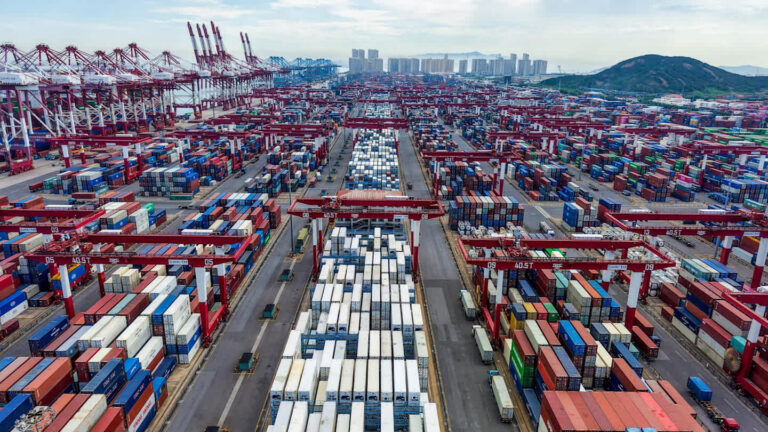
Inside China, refiners have slashed operations as high crude costs and weak fuel demand have pushed margins into losses, resulting in the country’s lowest oil imports in a decade during May. Sinopec, the world’s largest refiner by processing capacity, has not purchased Saudi crude since the second month of the war, sources told Reuters. Rongsheng Petrochemical, another major buyer, has also cut purchases sharply.oedigital
Chinese state-owned refiners have increasingly turned to discounted Russian crude, with shipments from Russia climbing to an estimated 2.07 million barrels per day earlier this year. Grades from West Africa and Latin America have also gained market share as buyers seek to offset the premium commanded by Gulf barrels.reuters
China’s pullback from crude imports has, paradoxically, helped prevent global oil prices from spiraling further. CNBC reported that China’s reduced buying has been “key to easing global price pressures” even as worldwide supplies have dropped 14% since hostilities began. But analysts warn the restraint may not last as stockpiles deplete and refiners eventually need to restock. With U.S. and Iranian air strikes continuing and diplomatic prospects uncertain, the squeeze on Saudi-China oil trade shows no sign of easing.cnbc