Newsletter Subscribe
Enter your email address below and subscribe to our newsletter

Enter your email address below and subscribe to our newsletter
All voices matter
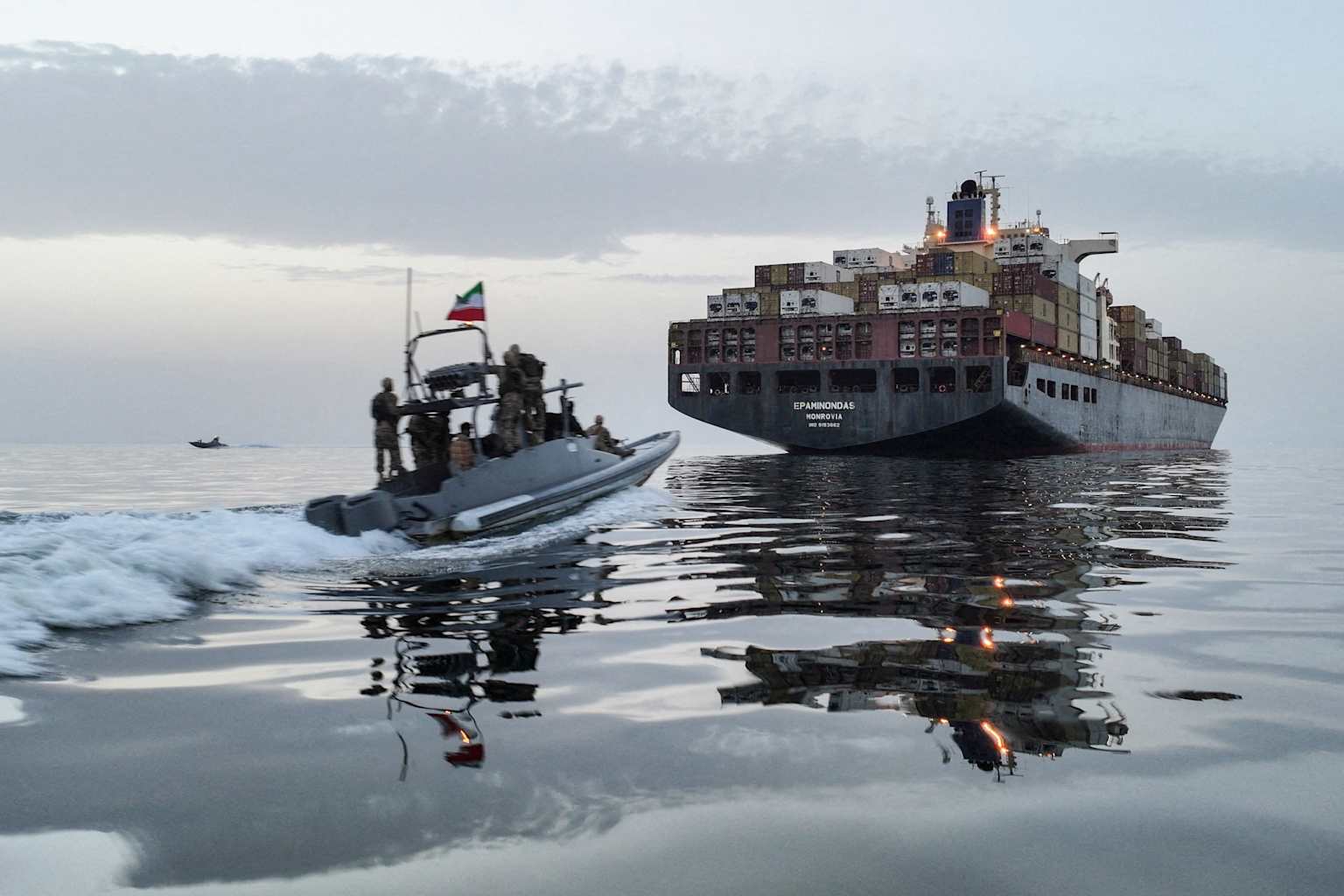
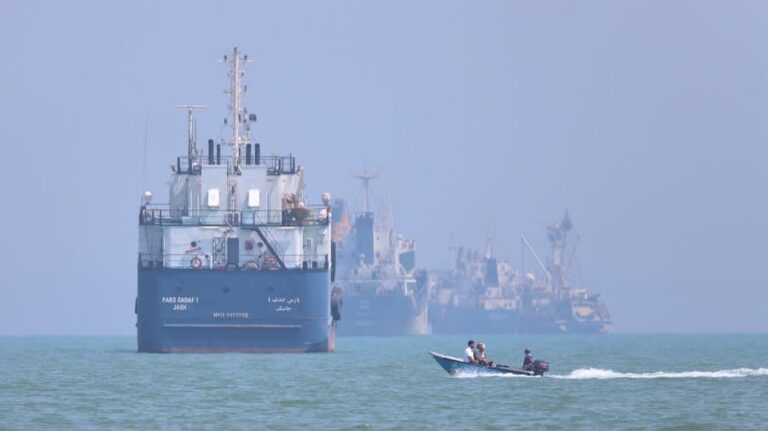
More than 20,000 seafarers remain stranded on vessels in and around the Persian Gulf as the Strait of Hormuz crisis enters its fifteenth week, with three more crew members killed in an attack on a tanker near the coast of Oman on June 10, bringing the confirmed death toll to 14 since hostilities began on February 28.un
Fitch Ratings on June 11 revised its 2026 outlook for the global shipping sector to “neutral” from “deteriorating,” citing a war-driven surge in tanker demand as disrupted routes force vessels onto longer voyages.ajot
The International Maritime Organization has been monitoring the crisis since early March, when it confirmed that more than 20,000 seafarers and 15,000 cruise passengers were stranded in the Gulf region. As of early June, the IMO said it was working to protect the more than 20,000 seafarers still in the region, including those on vessels unable to exit the strait.imo
The trapped fleet includes roughly 2,000 ships — oil and gas tankers, container ships, bulk carriers, and cruise liners — caught between rival blockades imposed by the United States and Iran. The seafarers, predominantly working-class men from developing countries in the Global South, face unpaid wages, dwindling supplies, and limited legal protections, with many lacking visas to disembark in nearby Gulf states.youtube
The International Transport Workers’ Federation and International Chamber of Shipping have engaged Gulf states over the crisis, calling conditions “unprecedented” in the post-World War II era.un
The de facto closure of the Strait of Hormuz, through which approximately 20 percent of global oil and liquefied natural gas normally flows, has fundamentally reshaped trade patterns. Maritime insurers have suspended war-risk coverage for tankers transiting the strait, and premiums have surged from roughly 0.25 percent of hull value before the conflict to as much as 5 percent — translating to $5 million for a $100 million vessel.veson
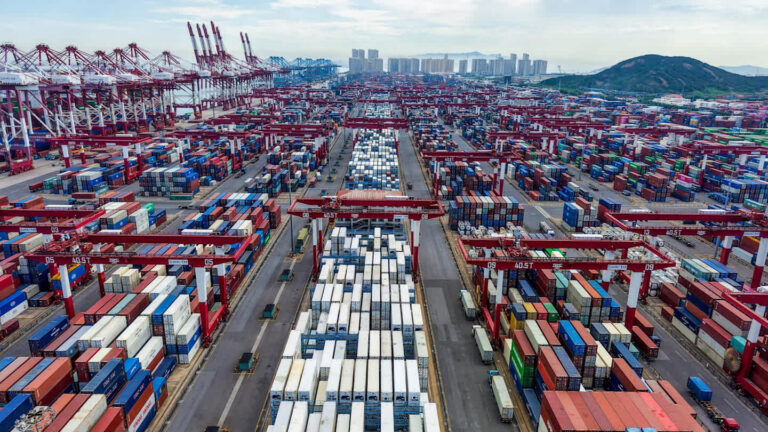
The disruption has paradoxically benefited some shipping segments. Longer routing around Africa has absorbed excess fleet capacity, lifting tanker earnings and prompting Fitch’s upgraded sector outlook. Container lines including MSC, CMA CGM, and Hapag-Lloyd halted Hormuz transits in late February and rerouted vessels away from the Suez Canal.lloydslist
Despite a brief ceasefire agreement between the United States and Iran in April, commercial shipping has not resumed normal operations through the strait. Pentagon officials told a congressional committee that clearing suspected Iranian mines could take up to six months, and such operations would not begin until fighting subsides. On June 4, U.S. Central Command reported it had redirected 127 commercial ships and disabled six vessels to prevent them from entering restricted waters.aljazeera
The UN warned on June 10 that the crisis continues to threaten global food security, fuel prices, and supply chains, with 46 verified attacks on international shipping recorded since the conflict began.un