






Newsletter Subscribe
Enter your email address below and subscribe to our newsletter

Enter your email address below and subscribe to our newsletter
All voices matter
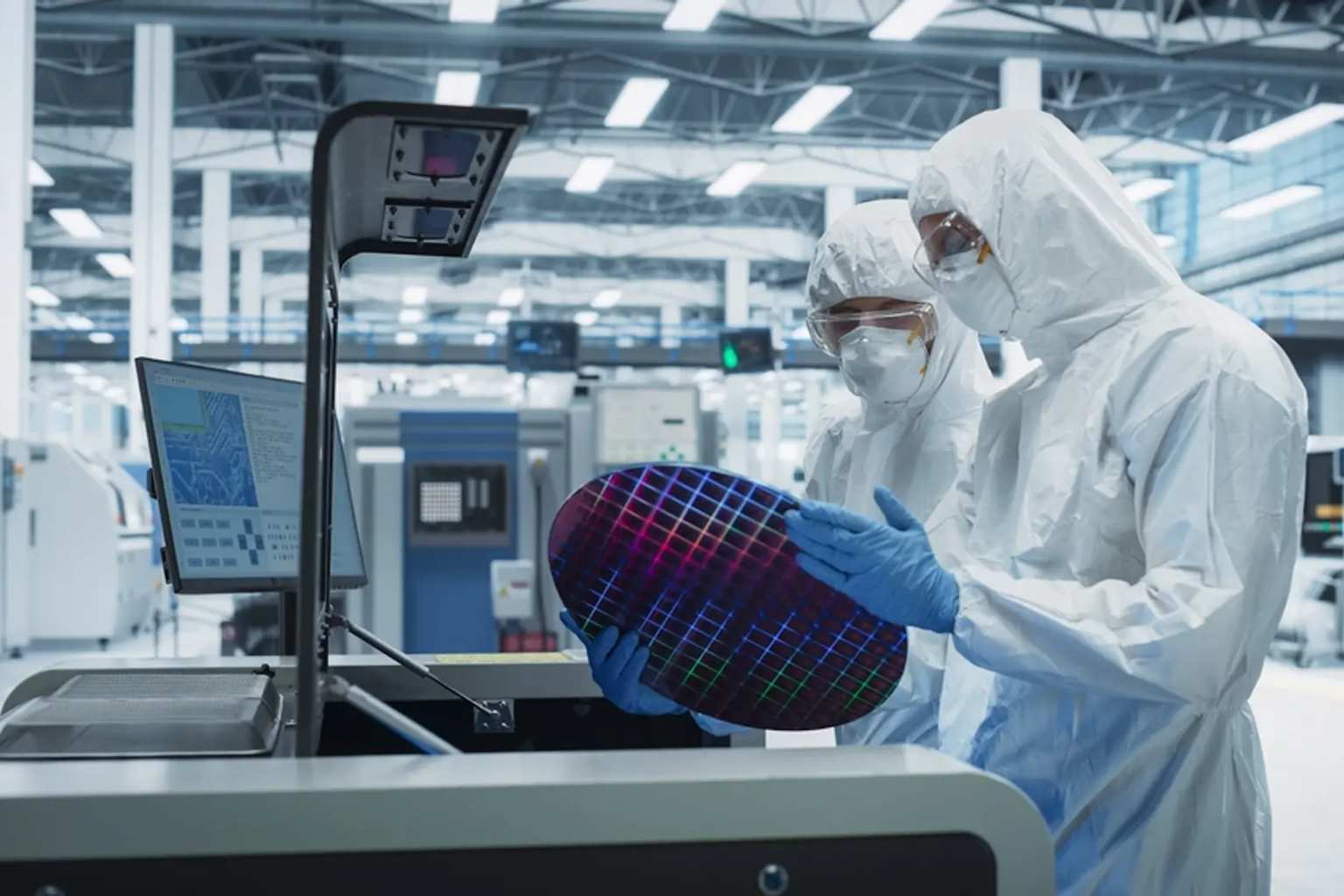
The insatiable appetite of artificial intelligence for memory chips is reshaping the global semiconductor market, driving prices up sixfold over the past year and creating a widening gap between data center operators and consumer device makers, according to a Morgan Stanley report that has coined the trend “chipflation.”
In a 66-page report published in early June, Morgan Stanley’s Europe and Asia technology team warned that what began as an AI infrastructure bottleneck has metastasized into a broader economic issue touching hardware margins, device affordability, cloud costs, and capital spending plans. Memory chip manufacturers, under pressure to meet massive AI infrastructure spending by hyperscalers, have prioritized higher-margin chips used in data centers over those destined for smartphones and PCs.reuters
Shawn Kim, the head of Morgan Stanley’s Europe and Asia Technology Team, laid out the consequences in stark terms: by 2027, PC memory demand could face a 15% shortfall — equivalent to roughly 58 million PCs — while smartphones could see a 12% shortfall affecting about 134 million units. The bank estimates the direct impact on headline CPI at about 0.1% in 2026, but the pressure is manifesting in producer prices and corporate margins.youtube
The effects are already visible at the retail level. Apple has raised prices on its high-end computers by $100 to $400, while Lenovo and Sony have also increased device prices. IDC projected that smartphone average selling prices could rise 3% to 8% in 2026 depending on how long supply constraints persist, with the PC market potentially contracting by up to 8.9% under a pessimistic scenario.youtube
Major memory producers — Micron, Samsung, and SK Hynix — have shifted manufacturing capacity toward high-bandwidth memory and high-capacity DDR5 for AI servers, restricting supply of general-purpose DRAM and NAND used in consumer electronics.idc
UBS analyst Timothy Arcuri has flagged what he describes as a potential “megacycle” for semiconductor equipment, projecting wafer fab equipment revenue could reach $250 billion by 2028. The bank expects WFE revenue to hit $147 billion this year, up 27% from a year earlier, as memory makers ramp up new fabrication plants to address supply constraints. DRAM consumption is expected to surge 27% year-over-year in 2026, according to UBS estimates.morningstar
Arcuri noted that equipment customers are now sharing eight quarters of demand visibility with suppliers — “something we have never heard before” in his nearly three decades covering the industry.morningstar