







Newsletter Subscribe
Enter your email address below and subscribe to our newsletter

Enter your email address below and subscribe to our newsletter
All voices matter
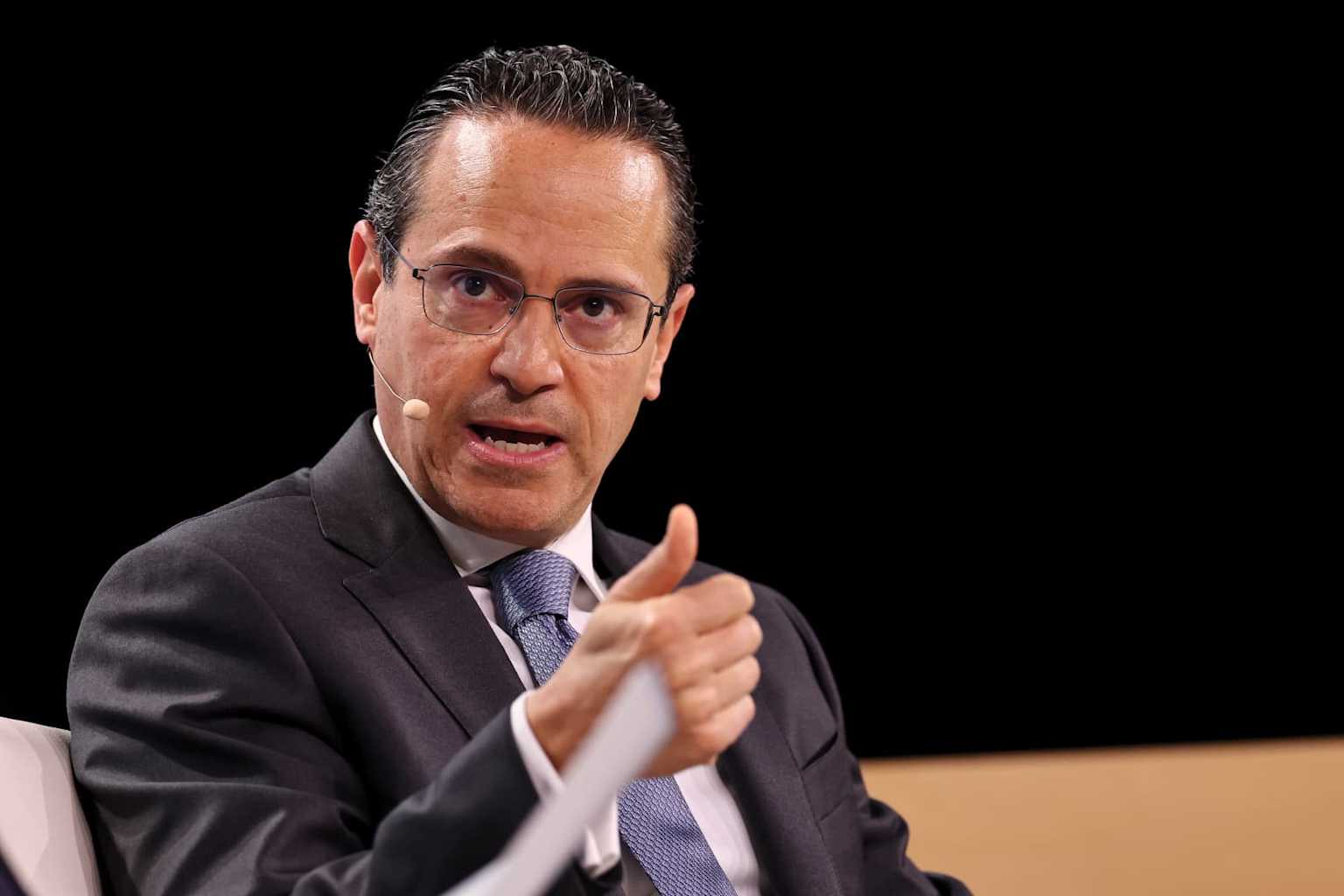
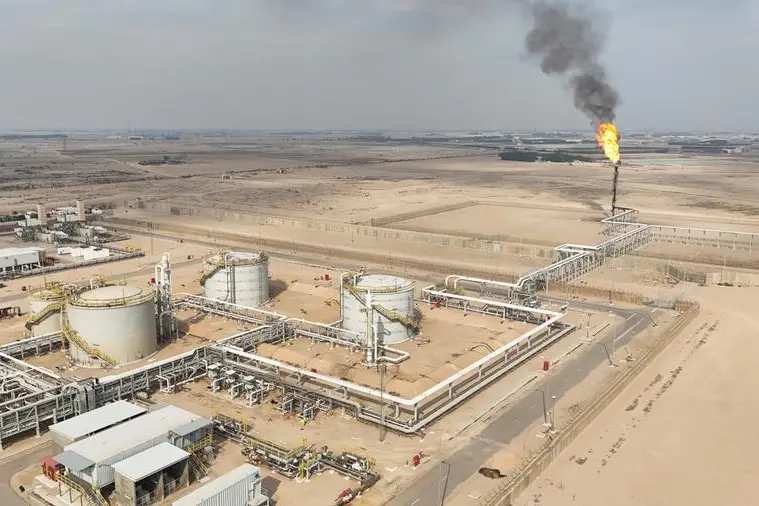
Shell Chief Executive Wael Sawan told business leaders Wednesday that upward pressure on crude oil prices will persist for the next five to ten years, driven by dwindling reserves of accessible hydrocarbons — a structural challenge that will outlast the current Middle East conflict.
Speaking at The Wall Street Journal Leadership Institute CEO Summit in London, Sawan said bluntly that “prices are going to move up,” calling the trend “the story of five to ten years” ahead. He pointed to the exhaustion of easily recoverable reserves: “All the easy oil and gas has been found,” he said.threads
The remarks frame the current supply disruption from the U.S.-Iran conflict as just one chapter in a longer story of tightening global supply. Sawan had previously warned, during Shell’s first-quarter earnings call in May, that the oil market already faces a deficit of roughly one billion barrels due to production knocked offline or blocked by the closure of the Strait of Hormuz. The International Energy Agency has called the disruption the most significant supply shock in history.cnbc
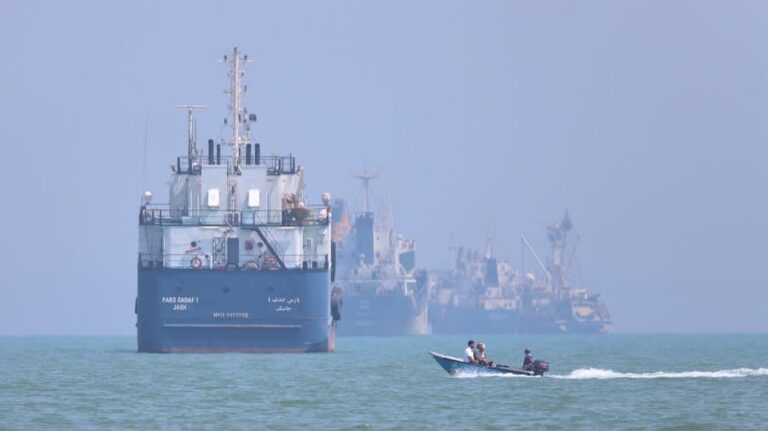
Sawan’s comments came as Brent crude traded near $91 a barrel on Wednesday, with renewed U.S.-Iran hostilities reintroducing a geopolitical risk premium into the market. The Strait of Hormuz, which carried about a fifth of the world’s crude before the conflict began on February 28, remains largely blocked by Iran.bez-kabli
Shell reported first-quarter adjusted earnings of nearly $7 billion in May, up 24 percent year-over-year, as higher prices and active trading more than offset production losses tied to the war. The company has continued returning cash to shareholders through a $3 billion buyback program running through late July.euronews
The broader concern Sawan raised — that global demand is growing while new discoveries become scarcer and costlier — echoes warnings from across the industry. Halliburton CEO Jeffrey Miller noted in April that war-related production losses alone were approaching one billion barrels.cnbc
Analysts at Phillip Nova said the latest military exchanges had “reintroduced a geopolitical risk premium into oil markets,” but cautioned that such premiums can evaporate quickly if diplomacy advances. For Shell and its peers, the CEO’s message was that investors should look past the war premium: the supply math points to higher prices regardless of when hostilities end.bez-kabli