







Newsletter Subscribe
Enter your email address below and subscribe to our newsletter

Enter your email address below and subscribe to our newsletter
All voices matter
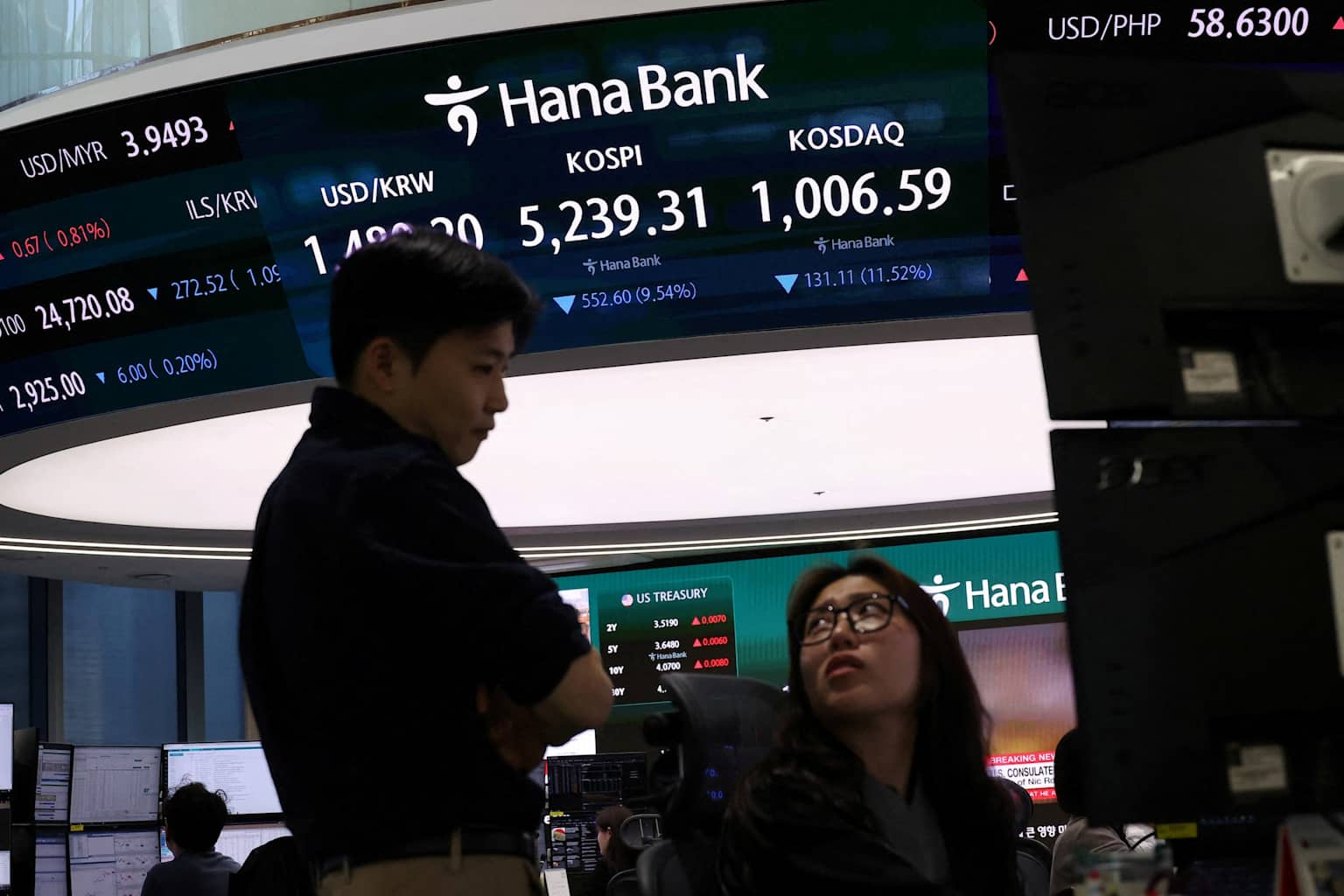
The MSCI Emerging Markets Index fell sharply on Wednesday as renewed military exchanges between the United States and Iran rattled investors and clouded prospects for a diplomatic resolution to the conflict, extending a bruising stretch for risk assets that began when hawkish Federal Reserve expectations triggered a global tech sell-off last week.
The United States launched airstrikes against multiple targets in Iran early Wednesday after blaming Tehran for downing an American Apache helicopter near the Strait of Hormuz on Monday, according to the Associated Press. Iran responded by firing missiles at Bahrain, Kuwait, and Jordan — all of which host U.S. troops — marking the first time Iran has targeted Jordan since the ceasefire began in April. The escalation was the second round of tit-for-tat strikes this week after Iran and Israel targeted each other on Monday.apnews
South Korea’s Kospi dropped roughly 4.5% on Wednesday, according to Trading Economics data, building on Monday’s 8.3% plunge that triggered circuit breakers. Taiwan’s TAIEX lost 3.3%, extending losses from its third-heaviest single-day point decline recorded Monday. Both markets are heavily exposed to the semiconductor and AI hardware sectors that have driven emerging market outperformance this year but have come under pressure as rising bond yields challenge stretched valuations.reuters
Reuters reported that the AI rally “may have finally met its match” in the Federal Reserve, after strong U.S. jobs data lifted expectations for a rate hike by December. Citi strategists warned that their global “bear market checklist” is at its most inflated level since the 2008 financial crisis. The MSCI Emerging Markets index had returned over 51% on a trailing twelve-month basis through the end of May, powered largely by Korean and Taiwanese chipmakers riding insatiable demand for AI infrastructure.reuters
Indonesian assets stood out as a rare bright spot. Bank Indonesia on Tuesday unexpectedly raised its benchmark rate by 25 basis points to 5.50% in an off-cycle move aimed at stabilizing the rupiah, which had hit a series of record lows. The central bank called the hike “a proactive measure to enhance the rupiah’s exchange rate stability against the backdrop of heightened global volatility due to the Middle East conflict”. Local equities rallied in response, with analysts at Barclays suggesting the central bank may implement consecutive rate hikes akin to its 2013 tightening cycle.reuters