






Newsletter Subscribe
Enter your email address below and subscribe to our newsletter

Enter your email address below and subscribe to our newsletter
All voices matter

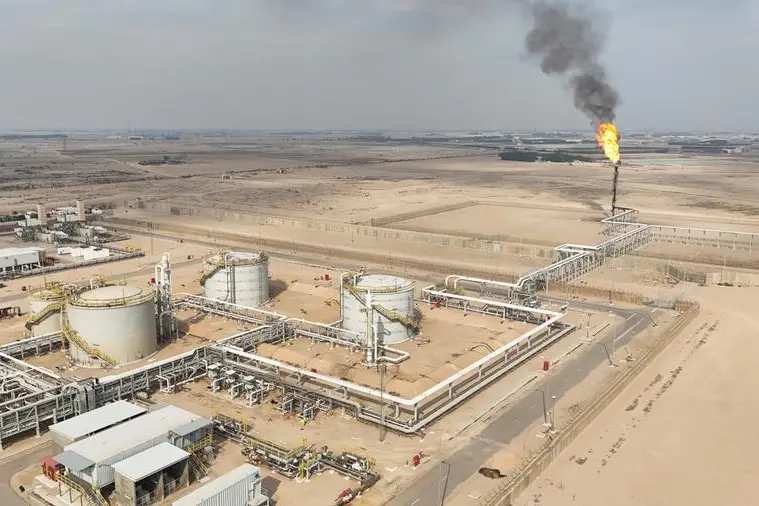
Malaysia’s Petronas and Japan’s JERA have signed a long-term agreement to supply up to 2 million metric tons of liquefied natural gas annually over 20 years starting in 2028, as Tokyo moves to diversify energy supplies away from the volatile Middle East.
Petronas announced on Wednesday that its subsidiary Petronas LNG Ltd. will deliver the gas to JERA, Japan’s largest power generation company, extending one of Asia’s longest-standing LNG partnerships into the 2040s. The agreement was announced by the leaders of both countries during a meeting in Tokyo.reuters
The contract adds to earlier supply deals secured by JERA as the company races to reduce its exposure to Middle East energy disruptions. Japan imports roughly 30% to 40% of the LNG it uses for electricity generation, and holds only two to three weeks of LNG feedstock for power at any given time.climatebonds
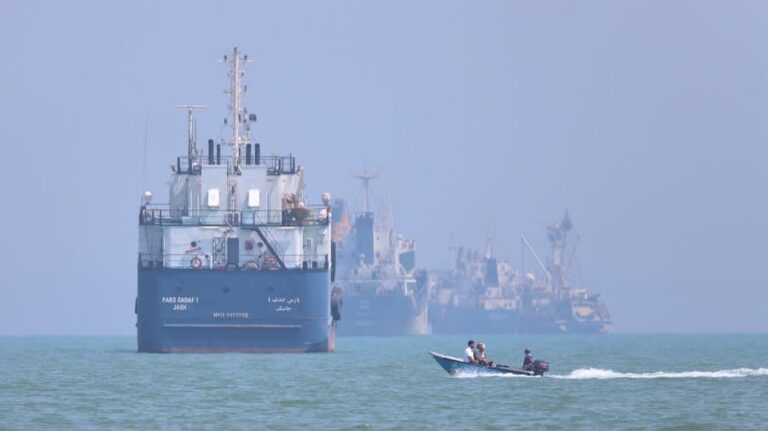
The deal comes against the backdrop of a deepening energy crisis triggered by the ongoing conflict in the Middle East. The closure of the Strait of Hormuz and attacks on Qatar’s LNG export facilities have eliminated approximately 28 million tons of supply from the global market this year, according to the New York Times. That loss accounts for nearly the entire anticipated global supply increase for 2026.nytimes
The disruption has forced Asian economies to turn back to coal. Japan’s 30-day moving average for coal generation was up 17% compared with the same period last year as of May, while natural gas-fired output fell 10%, according to Bloomberg data. Across Asia-Pacific, Rystad Energy projects an additional 70 million tonnes of coal consumption in 2026 under a sustained tight gas market scenario.oilprice
Analysts at Japan’s Institute of Energy Economics warned in April that the country risks a power supply crunch if the Middle East crisis persists and LNG shipments remain disrupted as summer air-conditioning demand peaks. The global supply gap is not expected to improve until at least 2028, when a surge in U.S. gas production is projected to introduce new supplies into the market.reuters
The Petronas-JERA agreement signals Japan’s determination to lock in alternative supply routes ahead of that timeline, though the contract’s 2028 start date means it will not ease immediate pressure on the country’s power grid this summer.