





Newsletter Subscribe
Enter your email address below and subscribe to our newsletter

Enter your email address below and subscribe to our newsletter
All voices matter
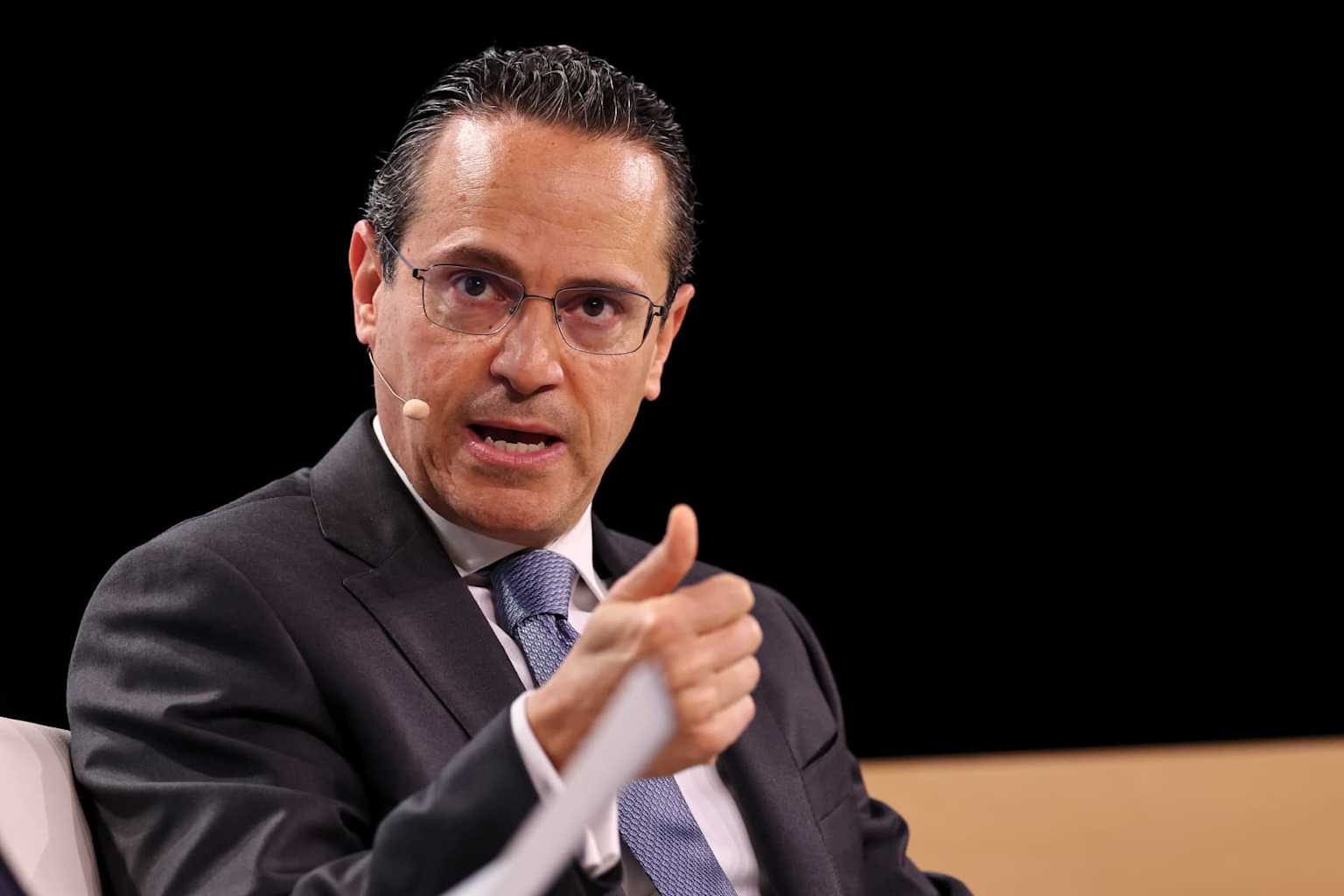
Shell CEO Wael Sawan warned Wednesday that rebalancing the global crude oil market will take “nearly a year, if not longer,” even if the Middle East conflict ends soon, as persistent supply disruptions and accelerating inventory drawdowns continue to strain the energy system.
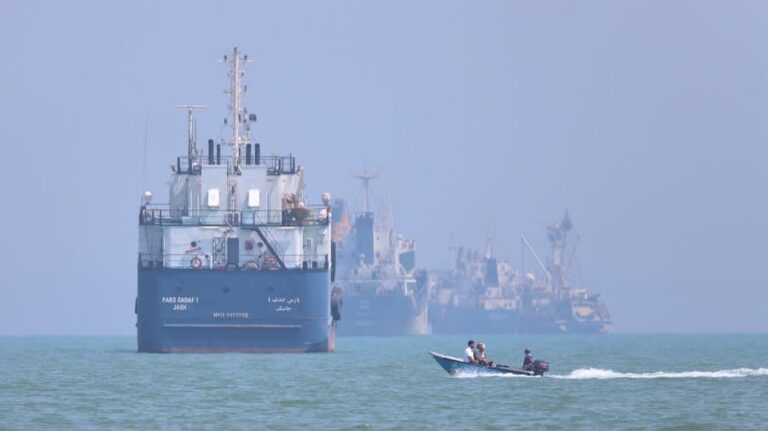
Speaking at a Wall Street Journal summit of business leaders in London, Sawan said the blockade of the Strait of Hormuz has caused energy disruptions on a scale “never seen before,” with more than 10 percent of global oil production removed from the market since the U.S.-Israeli military campaign against Iran began in late February.channelnewsasia
The impacts are “disproportionately painful” in Asia, Sawan said, where countries including India, Indonesia, Thailand, and Vietnam have resorted to fuel rationing, while Pakistan and the Philippines have implemented four-day working weeks.channelnewsasia
His remarks came as the U.S. Energy Information Administration reported another large decline in domestic crude oil inventories, with commercial stockpiles falling by 7.2 million barrels for the week ending June 5 — the seventh consecutive weekly draw. Refineries have stepped up capacity utilization as they work to meet demand amid constrained global supply.investing
The EIA warned Monday that total oil inventories among OECD nations are headed toward their lowest levels since at least 2003, projecting stockpiles will fall to just under 2.3 billion barrels by December. The agency’s forecast assumes marine traffic through the Strait of Hormuz is unlikely to return to pre-conflict levels until early 2027.reuters
In May, Sawan told investors during Shell’s first-quarter earnings call that the global oil market faced a deficit approaching one billion barrels due to blocked and unproduced supplies. “This deficit is intensifying daily, indicating that the path to recovery will be a lengthy one,” he said at the time.cnbc
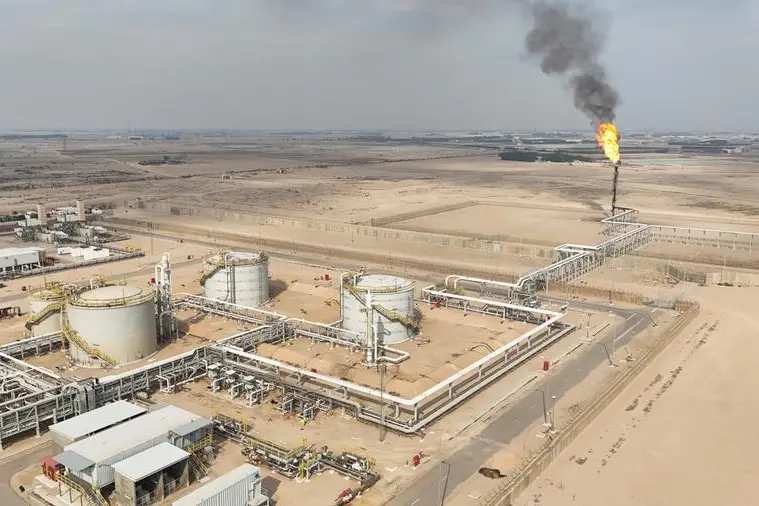
Sawan disclosed Wednesday that the Ras Laffan LNG hub in Qatar — the world’s largest — suffered “particularly significant damage” from strikes and is not expected to resume operations until the end of the first quarter of 2027. “We’re in full throttle in terms of repairing it. We’ve already cleared out all the debris,” he said.channelnewsasia
His comments followed fresh exchanges of strikes this week between Iran and the United States that have strained the fragile ceasefire established in April, casting doubt on President Donald Trump’s claim that negotiations on an enduring settlement are in their “final throes”.channelnewsasia