







Newsletter Subscribe
Enter your email address below and subscribe to our newsletter

Enter your email address below and subscribe to our newsletter
All voices matter
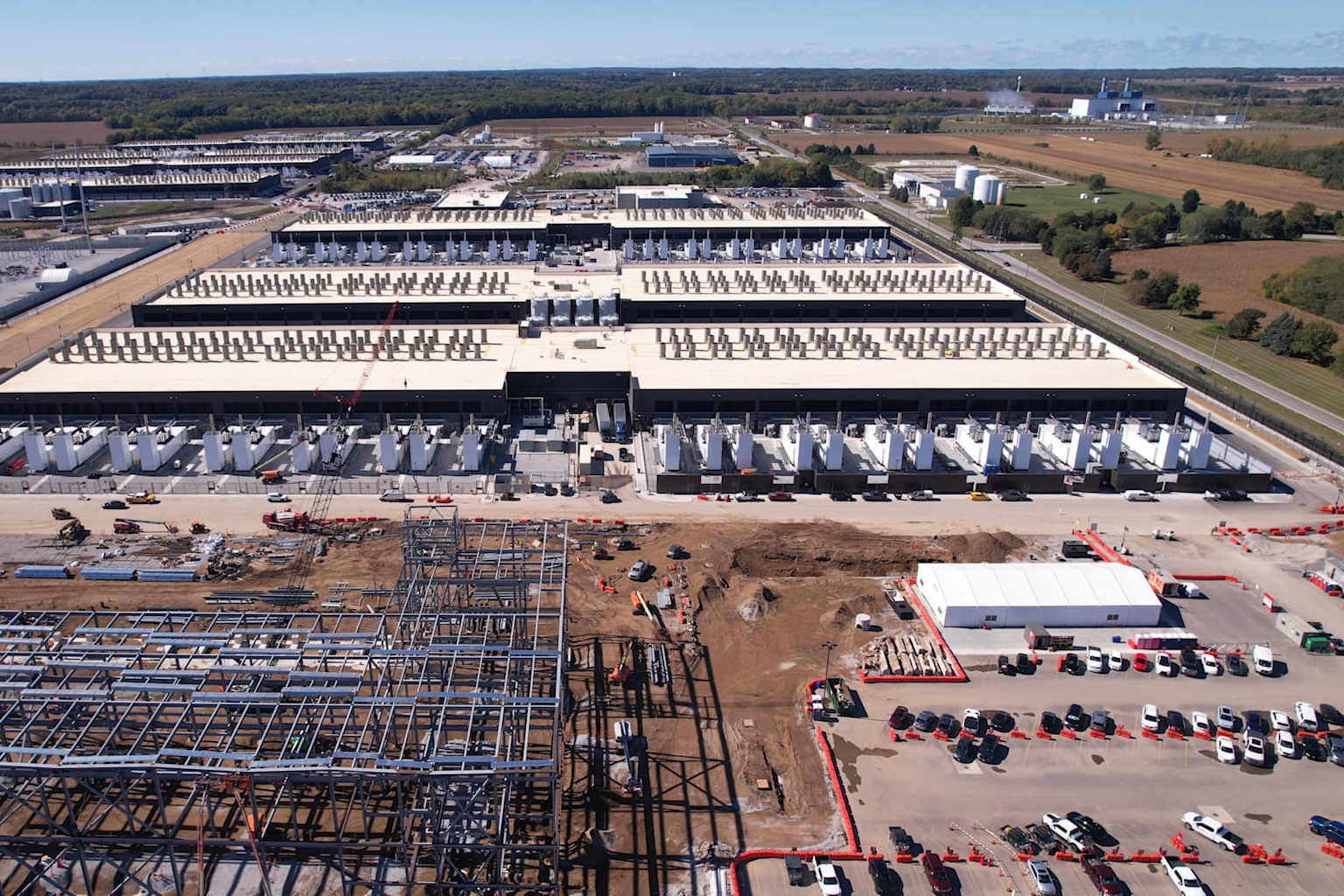
The scale of Wall Street’s rush to fund artificial intelligence has reached a new threshold. AI hyperscalers — Alphabet, Amazon, Meta, Microsoft, and Oracle — have issued $159 billion in bonds globally so far in 2026, up from $108 billion in all of 2025 and just $17 billion in 2024, according to data from Dealogic cited by The Wall Street Journal. The borrowing spree, combined with landmark equity raises and a wave of anticipated IPOs, has made AI the dominant force reshaping global capital markets.wsj
Morgan Stanley has warned that tech firms could accumulate as much as $1.5 trillion in debt by 2028 to fund AI and data center expansion. JPMorgan estimates that capital expenditure needs for the five largest AI spenders alone will reach roughly $570 billion in 2026, up from $125 billion in 2021. UBS has projected that global tech and AI-related debt issuance could approach $990 billion this year. Morgan Stanley Research separately estimates that roughly $2.9 trillion in total AI infrastructure spending will be needed through 2028, with credit markets expected to fill a large portion of a $1.5 trillion external financing gap.cnbc
The fundraising extends well beyond bonds. Alphabet announced plans in early June to raise $85 billion through equity offerings, including a $10 billion private placement with Berkshire Hathaway. The offering was so oversubscribed that its first tranche raised $45 billion instead of the planned $40 billion. OpenAI, SpaceX, and Anthropic are all poised for public listings that could make 2026 the largest year ever for IPO proceeds.bloomberg
Not all observers are sanguine. Spending on data centers and other AI infrastructure by just four major tech companies this year is expected to exceed $670 billion — a larger share of the economy than even the railroad expansion of the 1850s, according to the Journal. Hedge fund Man Group has cautioned that lower-quality issuers entering the AI debt market, including former bitcoin miners pivoting to data centers, could test credit markets’ appetite. Morgan Stanley’s Anish Shah, the bank’s global head of debt capital markets, said at the Bloomberg Global Credit Forum that AI-related issuance could approach 15% of all credit sales.economictimes
Oracle, which has issued $43 billion of bonds since last September, trades more in line with speculative-grade debt despite its investment-grade rating, reflecting investor caution about its aggressive spending plans. TD Securities expects U.S. investment-grade credit spreads to widen to 100-110 basis points, up from 75-85 basis points, driven partly by the issuance surge.hindustantimes
“Tech issuers have also shown themselves to be less price-sensitive given the strategic importance of these projects — a dynamic that can still reprice the broader market,” Morgan Stanley said in its recent Global Insights outlook report.economictimes