






Newsletter Subscribe
Enter your email address below and subscribe to our newsletter

Enter your email address below and subscribe to our newsletter
All voices matter
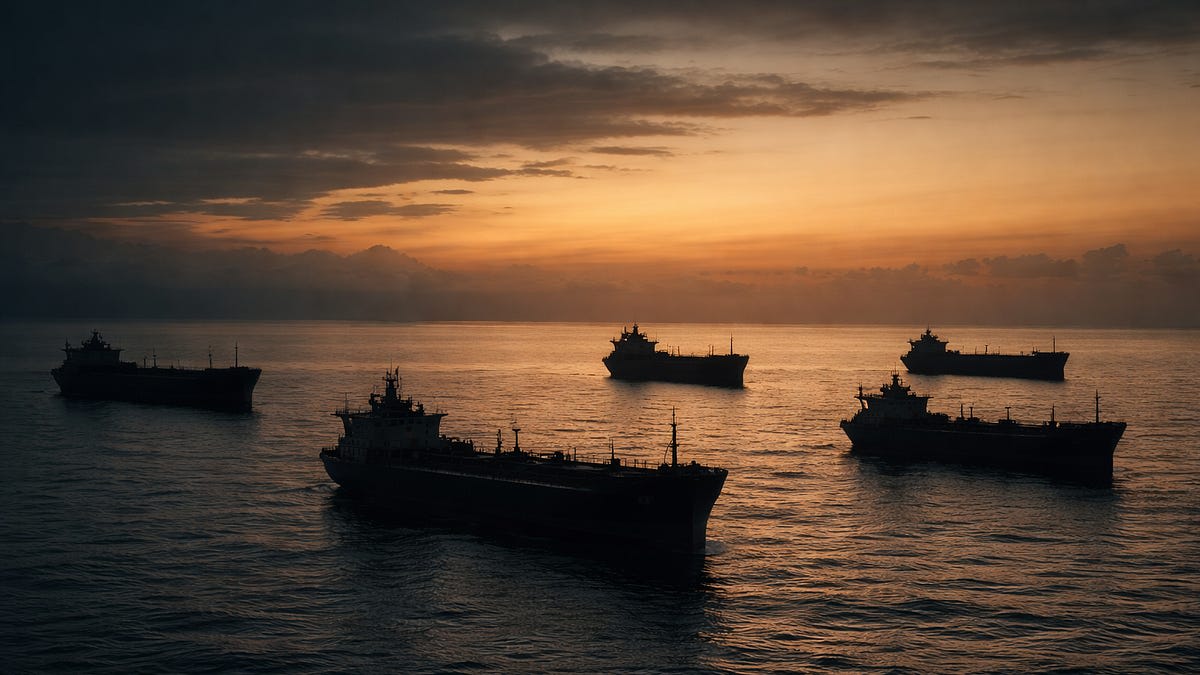
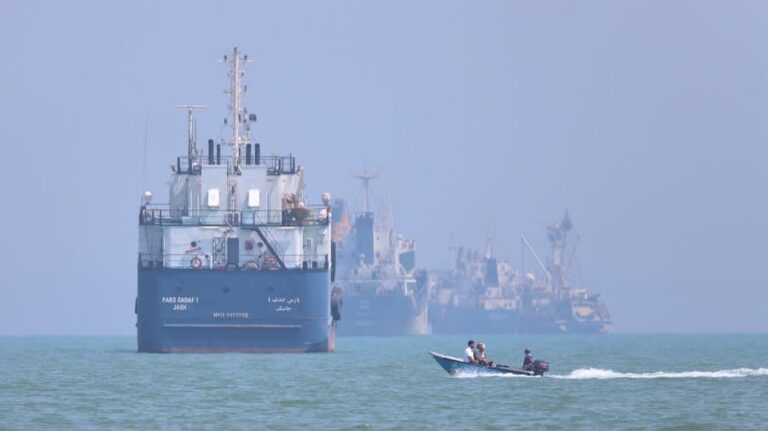
Three months after the U.S.-Iran conflict effectively shut the Strait of Hormuz — the waterway responsible for roughly 20% of global seaborne oil — a shadow fleet of tankers operating with transponders disabled has quietly kept some crude flowing, tempering what many feared would become a full-scale energy crisis.
JPMorgan estimated that clandestine oil flows through and around the strait reached approximately 2.1 million barrels per day during the final two weeks of May, according to multiple reports published this week. That figure includes tankers paying tolls to Iran’s Islamic Revolutionary Guard Corps and so-called “ghost” transits by vessels running dark — with automatic identification systems switched off to avoid detection.youtube
Reuters reported on June 4 that “the flow of tankers departing the Strait of Hormuz has increased, as traders implement discreet strategies to facilitate their passage”. Separately, Fortune reported that the U.S. Central Command had guided about 70 ships through a corridor away from the Iranian coastline over a recent three-week period. These incremental flows, while far below the roughly 20 million barrels per day that transited the strait before the war began on February 28, have helped prevent oil prices from reaching the catastrophic levels some analysts had predicted.fortune
Oil futures have retreated roughly 20% from their 2026 highs, with Brent crude trading in the low $90s in late May after briefly exceeding $115 earlier in the conflict. The decline has been driven partly by ceasefire hopes — reports indicate the U.S. and Iran have “mostly agreed” on a 60-day memorandum of understanding — and partly by the realization that oil continues to slip through the blockade.thecipherbrief
Yet UBS noted there remains “little evidence” of any immediate improvement in legitimate maritime traffic, and the strait remains operating at a fraction of pre-conflict capacity.cnbc
Morgan Stanley warned in May that the oil market is in “a race against time,” cautioning that the buffers keeping prices in check — strategic reserves, ghost shipments, and demand destruction — could erode if the strait remains restricted into summer. JPMorgan projected that global commercial oil inventories could “approach operational stress levels” by early June.fortune
Macquarie Group modeled scenarios reaching $200 per barrel if the conflict extends further, assigning a 40% probability to that outcome. As China’s strategic petroleum reserves deplete and alternative pipeline routes from the Gulf reach capacity, the market faces what one analyst described as a potential “point of no return” in the second half of 2026.thecipherbrief