







Newsletter Subscribe
Enter your email address below and subscribe to our newsletter

Enter your email address below and subscribe to our newsletter
All voices matter

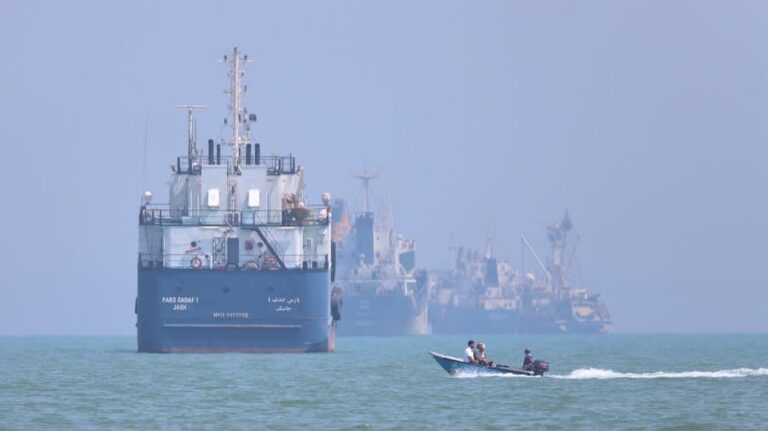
The U.S. Energy Information Administration released its June Short-Term Energy Outlook on Tuesday, projecting that oil shipments through the Strait of Hormuz will resume in the third quarter of 2026 but warning that traffic is unlikely to return to pre-conflict levels until early 2027. The forecast underscores the lasting damage the 2026 Iran conflict has inflicted on global energy supply chains, even as a fragile diplomatic thaw allows some tankers to begin transiting the waterway again.eia
The EIA projects that OECD oil inventories will fall to just below 2.3 billion barrels by the end of 2026, which would represent the lowest level on record. The agency now expects global oil inventories to decrease by 2.6 million barrels per day this year, a sharp deterioration from its prior forecast of a 0.3 million b/d draw. The massive drawdown reflects the near-total closure of the strait since late February, which stranded more than 13 million barrels per day of production within the Persian Gulf and forced producers across Iraq, Saudi Arabia, Kuwait, the UAE, Qatar, and Bahrain to shut in wells.britannica
The EIA expects Brent crude prices to average around $89 per barrel in the fourth quarter of 2026 before declining to $79 per barrel in 2027 as Middle East production gradually returns.eia
Traders on Kalshi, the regulated prediction market, now assign a 66% probability that normal Hormuz traffic — defined as a seven-day moving average exceeding 60 vessels — will not return before January 2027. The odds represent a dramatic shift from late May, when traders on the platform gave a 64% chance that traffic would normalize before September. The likelihood of a return to normal before August has collapsed from 66% to just 21% in the past two weeks.cnbc
Reuters reported last week that tanker departures from Hormuz have increased in recent weeks as traders employ discreet strategies to move oil through the contested waterway, though volumes remain well below pre-conflict levels. The Brookings Institution, in an analysis published Sunday, warned that even after the strait formally reopens, markets will take months to normalize as shut-in fields restart and depleted storage refills.brookings
The EIA’s own May outlook had assumed the strait would remain effectively closed only through late May, with shipping picking up in June. The June revision extends that timeline, reflecting what the agency described as “a longer recovery period for shut-in oil production”. Global oil demand, meanwhile, is forecast to decrease by 1.1 million b/d over the course of 2026 compared with 2025, as elevated prices suppress consumption.eia