







Newsletter Subscribe
Enter your email address below and subscribe to our newsletter

Enter your email address below and subscribe to our newsletter
All voices matter
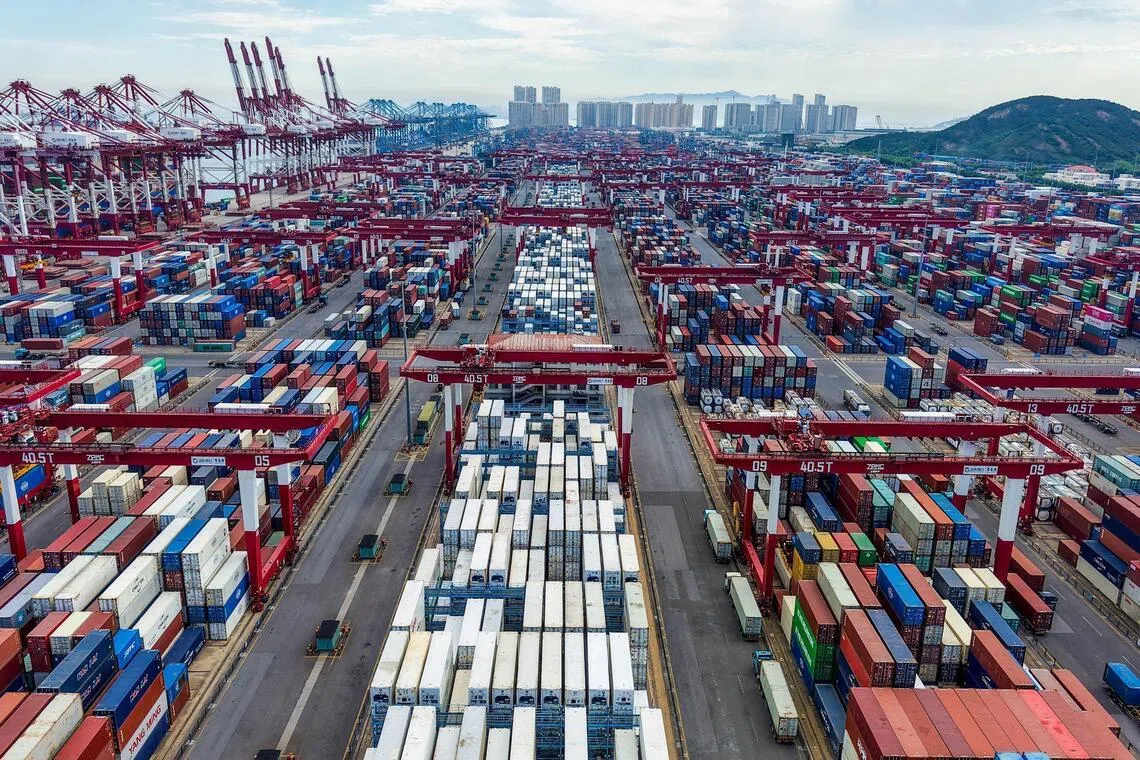
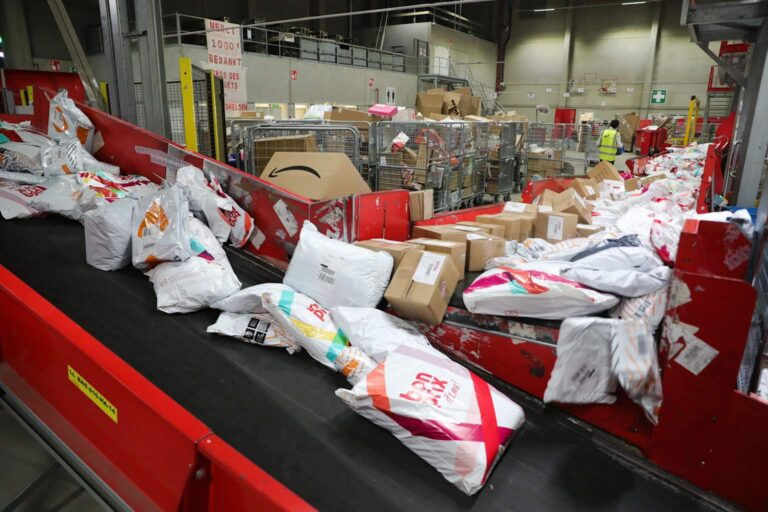
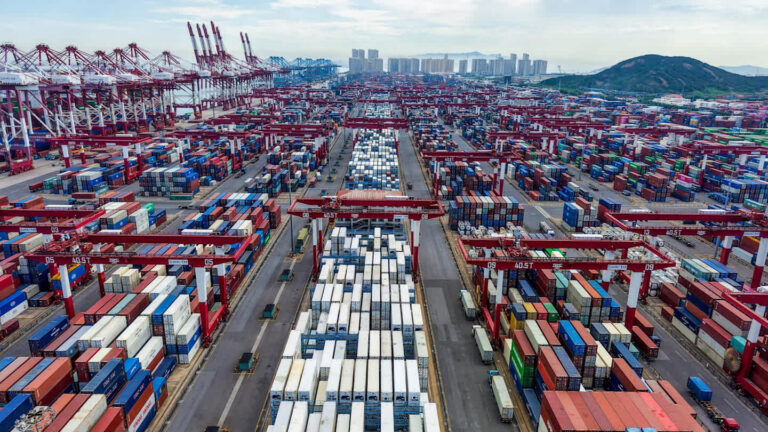
China’s trade performance defied expectations in May, with both exports and imports surging past forecasts to produce a monthly surplus of $105.43 billion — the largest since January — even as crude oil purchases slumped to their lowest level in more than eight years amid the ongoing war in Iran.
Data released Tuesday by the General Administration of Customs showed exports jumping 19.4% year-on-year, well above the 15% economists had projected, according to the Straits Times. Imports climbed 27.4%, also exceeding expectations of a 25% increase. The resulting trade surplus of $105.43 billion far surpassed market forecasts of $88.70 billion and marked a sharp increase from April’s $84.82 billion.econotimes
Booming demand for artificial intelligence hardware drove much of the strength, with semiconductors and advanced technology components fueling import growth. China’s cumulative trade for the first five months of 2026 reached 20.68 trillion yuan ($2.88 trillion), up 15.3% from a year earlier, according to CGTN. Analysts noted that a favorable comparison base — last year’s trade was weighed down by U.S.-China tensions — also flattered the May figures.cgtn
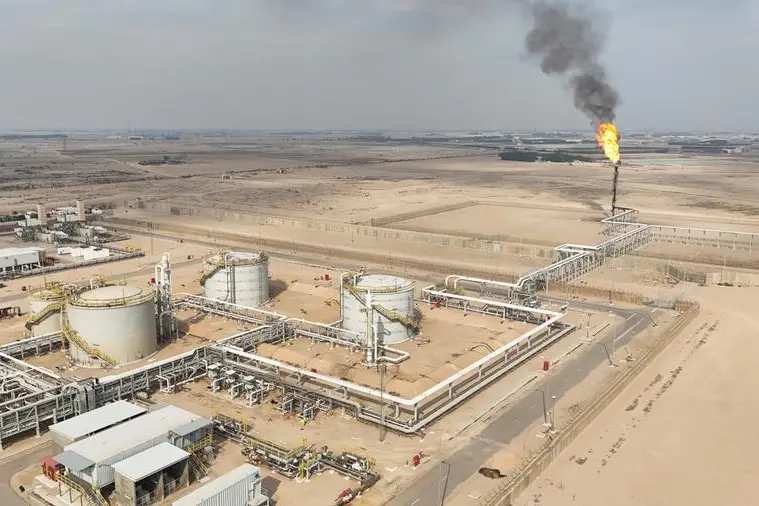
The headline trade numbers masked a sharp deterioration in energy purchases. China imported 7.82 million barrels of crude oil per day in May, a 29% decline from the same month last year and the lowest monthly level since October 2017, according to the Wall Street Journal. Bloomberg reported total crude imports of around 33 million tons for the month.energyconnects
The slump reflects the continuing fallout from the U.S.-Israeli attack on Iran in late February, which effectively closed the Strait of Hormuz and removed most Gulf crude from global supply. Chinese refiners have responded by cutting refinery runs, curbing refined-product exports, and drawing on the country’s massive strategic reserves rather than competing for scarce and expensive replacement barrels.wsj
Traders say China’s reduced buying has been a major factor keeping oil prices below $100 a barrel despite months of supply disruption. Morgan Stanley commodities strategist Martijn Rats described the import reduction as “remarkable” and called it “the single most important component” stabilizing prices, according to CNBC.cnbc
China is also reshuffling its crude sourcing, increasing purchases of heavily discounted oil from sanctioned nations including Russia while cutting back on pricier Brent-linked grades. Chinese imports of Iranian crude — once a key feedstock for independent refiners — have fallen further as Washington’s blockade of Iranian ports tightens.chemanalyst