






Newsletter Subscribe
Enter your email address below and subscribe to our newsletter

Enter your email address below and subscribe to our newsletter
All voices matter
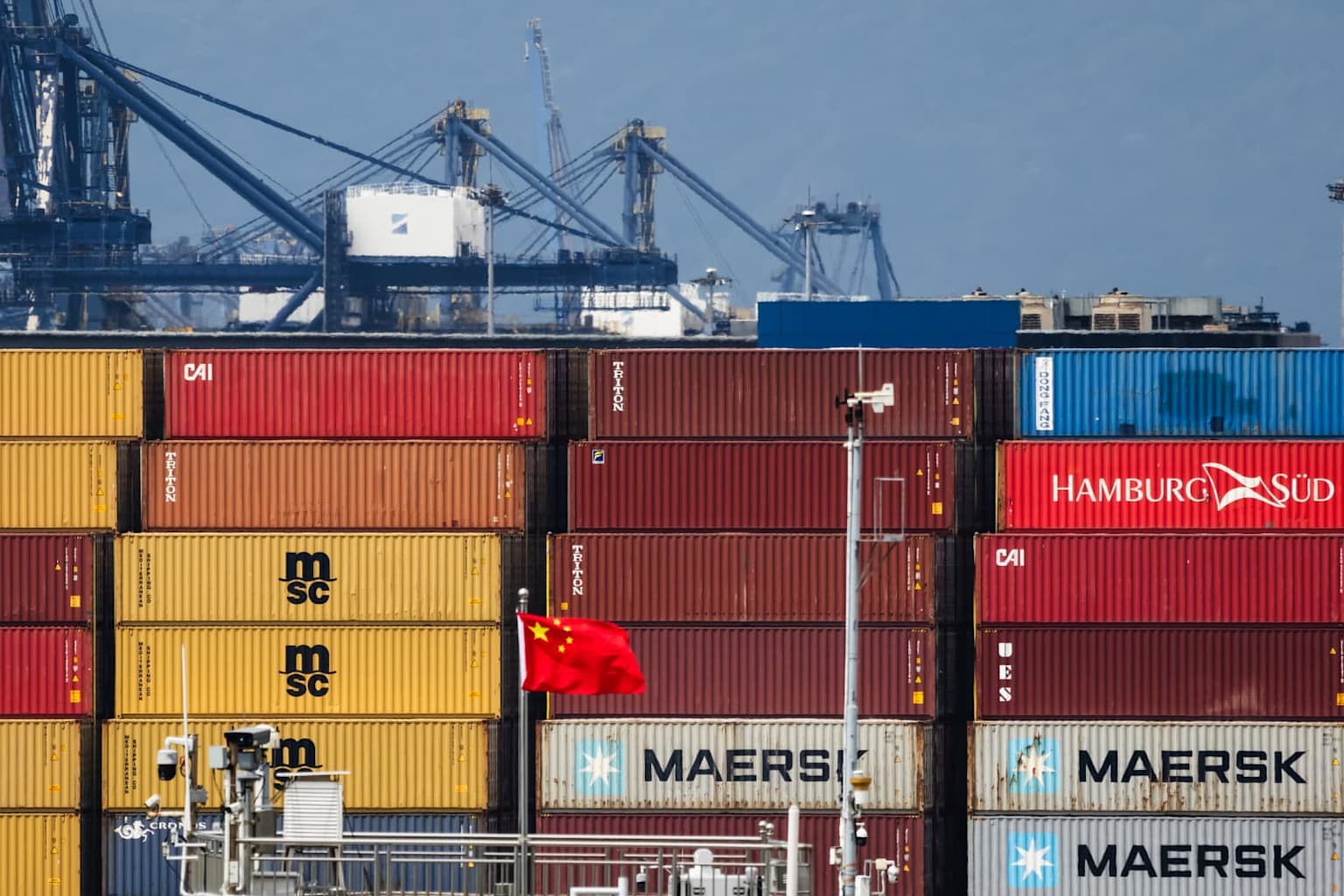
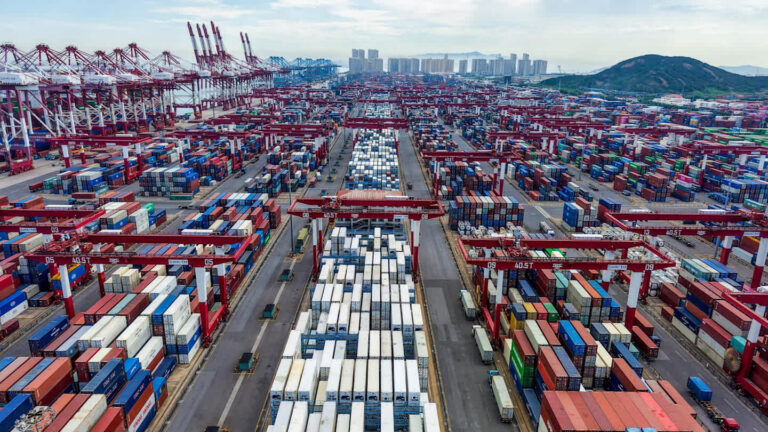
China’s exports surged 19.4% year-on-year in May 2026, customs data released Tuesday showed, as front-loaded orders from overseas buyers and sustained global appetite for artificial intelligence hardware propelled the world’s second-largest economy past forecasts.
The General Administration of Customs reported that the figure handily beat the 15% growth rate predicted by economists surveyed by Reuters and marked an acceleration from April’s 14.1% expansion. Imports rose 27.4%, up from 25.3% in April and above consensus expectations of 25% growth, pushing China’s trade surplus to $105.43 billion for the month.tradingeconomics
Global demand for semiconductors and AI-related products continued to underpin China’s export engine. Integrated circuit export values doubled year-on-year in April, according to earlier customs figures, and computing hardware shipments — including servers, laptops, and parts — jumped 47.6% that same month. Analysts say these trends extended into May, with AI hardware emerging as a new structural pillar of Chinese trade that has eased Beijing’s concerns about a stronger yuan weighing on competitiveness.intellectia
The import surge has been concentrated in semiconductor chips and gold, which economists at Bank of America Global Research said “hardly” constitutes a sign of broad domestic rebalancing but rather reflects intensive component procurement tied to the AI and chip build-out.cnbc
International buyers also accelerated purchases ahead of potential energy-price disruptions linked to the ongoing conflict in the Gulf region, Reuters reported. Exports to the United States jumped roughly 35% in May year-on-year, the fastest pace since March 2021, according to Wind Information data cited by CNBC.reuters
For the first five months of 2026, China’s import growth reached 24.5% while exports grew 15.5%, narrowing the cumulative trade surplus compared with the same period last year. The pattern underscores how China’s factories are simultaneously feeding overseas AI demand and absorbing vast quantities of imported materials to sustain that production capacity.cnbc
The data arrives as Washington tightens controls on advanced chip sales to Chinese-linked entities, with the Bureau of Industry and Security recently closing a loophole that allowed Chinese-owned subsidiaries abroad to acquire high-end AI processors.tomshardware