






Newsletter Subscribe
Enter your email address below and subscribe to our newsletter

Enter your email address below and subscribe to our newsletter
All voices matter
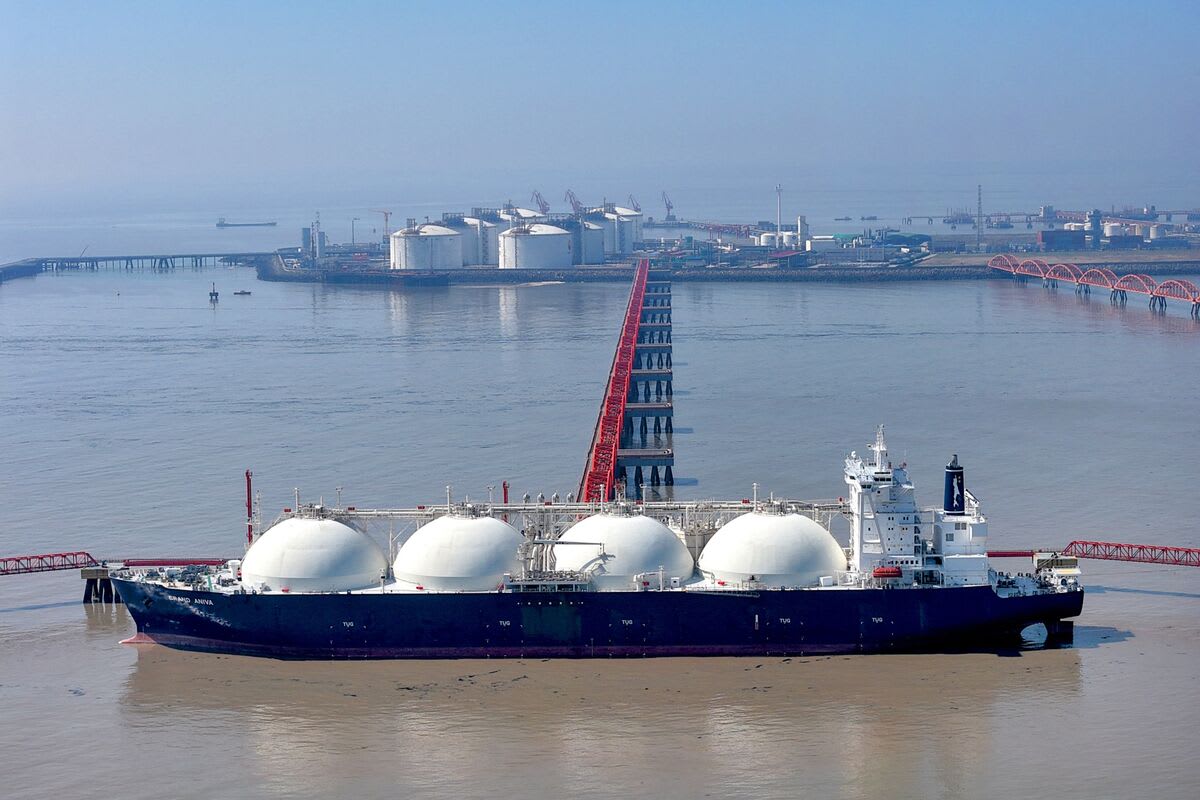
China’s liquefied natural gas imports have surged to their highest level since before the Iran conflict began, as the world’s largest buyer races to stockpile fuel ahead of peak summer electricity demand. The buying spree is intensifying a global competition for scarce cargoes that has left Europe struggling to refill depleted storage.
The country’s 30-day moving average for LNG deliveries has jumped to 178,000 tons per day, the highest since early February — before the U.S.-Iran conflict disrupted Middle East energy flows — according to Bloomberg data reported on Monday. Volumes have been climbing since mid-April and are now approaching the five-year seasonal average.gulf-times
China’s LNG imports rebounded to 4.9 million tons in May, reversing months of year-on-year declines triggered by the near-closure of the Strait of Hormuz. State-owned CNOOC and second-tier firm Zhejiang Energy International purchased spot cargoes for June and July delivery as declining domestic gas inventories and forecasts of a hot summer compelled more buying.energyconnects
The supply squeeze traces back to the damage inflicted on Qatar’s Ras Laffan LNG complex by Iranian missile strikes in March. QatarEnergy declared force majeure on long-term contracts affecting buyers in Italy, Belgium, South Korea, and China, and has since extended the notice through mid-August as repairs continue.aljazeera
Morgan Stanley warned in March that the Qatar outage could eliminate the global LNG surplus that had been expected for 2026 and push Asian benchmark prices to $25–$30 per million British thermal units. Asian spot prices averaged $17.61/MMBtu in May, already well above the $10 level analysts had forecast before the conflict.energytracker
Asian buyers have consistently outbid European counterparts for available cargoes, with multiple U.S.-origin shipments diverting from European destinations toward Asia since March. Europe entered the 2026 injection season with just 31 billion cubic meters in storage — its lowest level since 2018 — according to Columbia University’s Center on Global Energy Policy. The loss of Qatari LNG supplies indefinitely makes it “essentially impossible” for Europe to refill storage to prior benchmarks, the center noted.columbia
The resumption of direct U.S. LNG shipments to China, with three vessels departing Louisiana in May and expected to arrive at Tianjin port in mid-to-late June, could further redirect supply away from European markets.reuters