Newsletter Subscribe
Enter your email address below and subscribe to our newsletter

Enter your email address below and subscribe to our newsletter
All voices matter
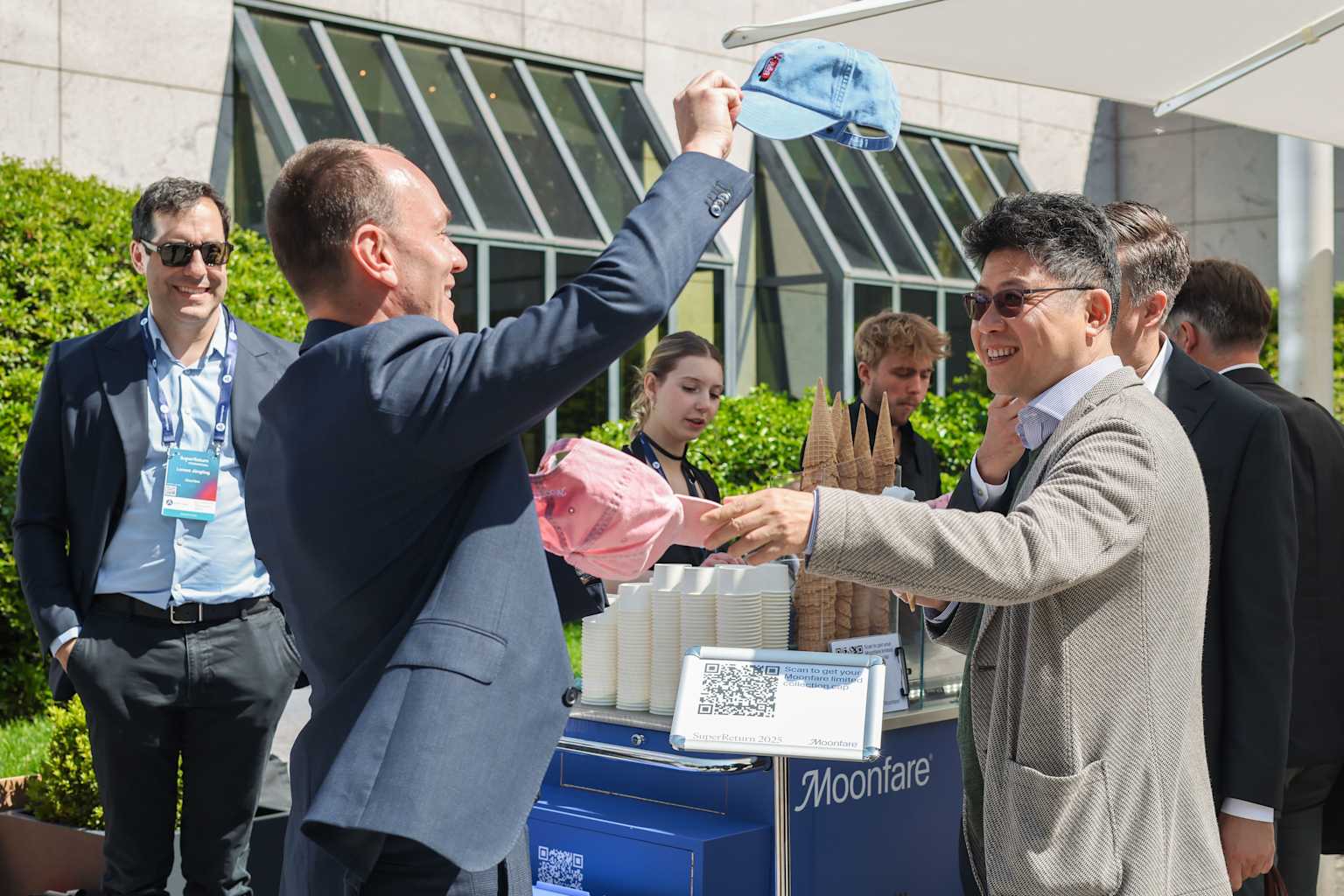
Thousands of private market dealmakers convened Monday at Berlin’s InterContinental Hotel for SuperReturn International 2026, the industry’s flagship annual gathering, amid what Bain & Company is calling a “triple shock” that has derailed private equity’s long-awaited recovery.lpea
Bain’s 2026 Private Equity Midyear Report, released on the conference’s opening day, warns that three converging forces have stalled global PE’s revival for a second consecutive year. The report identifies an AI-driven disruption in software portfolios, mounting redemption stress in private credit, and surging oil prices from the conflict involving Iran as the primary headwinds braking dealmaking, exits, and fundraising.bain
The software sector, long a private equity favorite, has been upended by rapid advances in artificial intelligence that are forcing investors to reassess valuations across their portfolios. The Financial Times reported that redemption requests at major private credit funds reflect “escalating worries regarding the private credit sector’s financing of software companies backed by private equity, as well as the uncertainties these enterprises face amid rapid advancements in artificial intelligence”.ft
The redemption wave has been among the most visible symptoms of stress. In the first quarter, investors sought to withdraw more than $20 billion from private credit funds, according to the Financial Times, hitting firms including Apollo, Ares, Blue Owl, Blackstone, and KKR. Apollo’s $25 billion flagship fund received requests to redeem 11.2% of shares, more than double its 5% quarterly cap, forcing it to fulfill less than half of requests. Blue Owl faced withdrawal requests equal to 22% of its $36 billion fund and 41% of a separate technology-focused vehicle. Reuters reported that redemption pressures continued into the second quarter.reuters
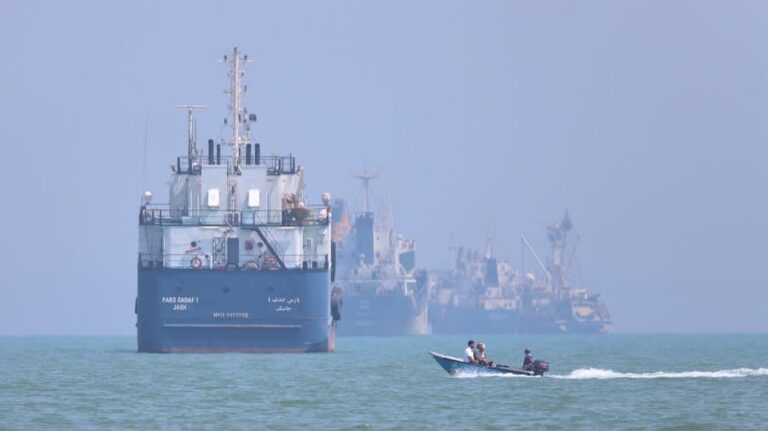
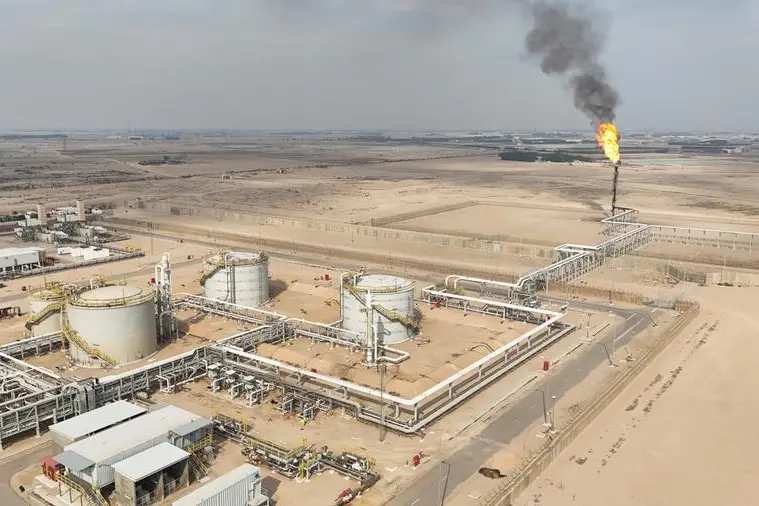
The conflict involving Iran has added a macroeconomic overlay to the industry’s challenges. Oil prices surged more than 55% from late February through their peak, with Brent crude jumping from roughly $72 to nearly $120 a barrel at one point, driven by fears of disruption through the Strait of Hormuz. A Reuters poll of analysts in April projected Brent would average $86.38 per barrel for 2026.reuters
Global PE exit volume declined 6.25% year over year in the first quarter to 720 transactions, while overall PE deal value on a rolling twelve-month basis slipped from $2.2 trillion to $2.1 trillion. Bain’s data suggests deal activity will remain “roughly flat through July 2026,” offering conference attendees little near-term relief.spglobal