







Newsletter Subscribe
Enter your email address below and subscribe to our newsletter

Enter your email address below and subscribe to our newsletter
All voices matter
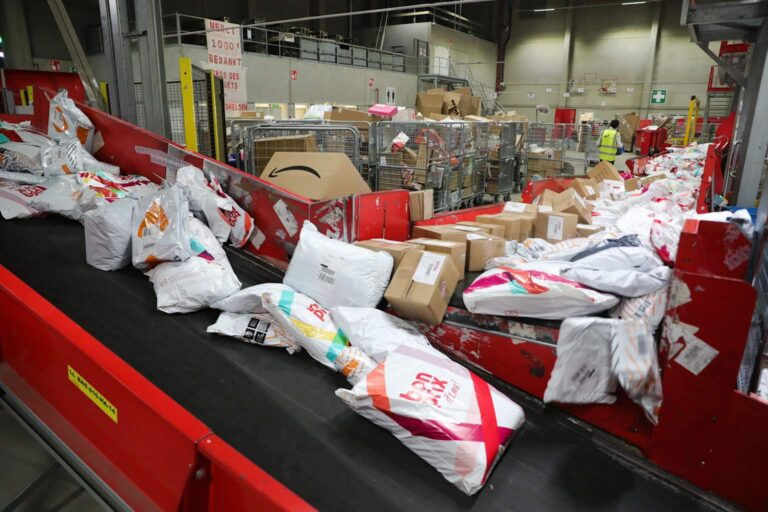
China’s once-booming low-cost e-commerce export sector is faltering under the combined weight of surging jet fuel costs linked to the Iran war and weakening demand from price-sensitive Western consumers. The downturn threatens the business models of major platforms including Temu, Shein, and AliExpress.
China’s low-cost e-commerce exports fell 10.9% in April to $9.81 billion, marking the fifth consecutive month of year-over-year declines, according to an analysis of Chinese customs data cited by Reuters. The report, by journalists Sophie Yu, Helen Reid, and Alessandro Parodi, details how the conflict’s disruption to global fuel markets has compounded pressures already facing the sector from tariffs and regulatory changes.usnews
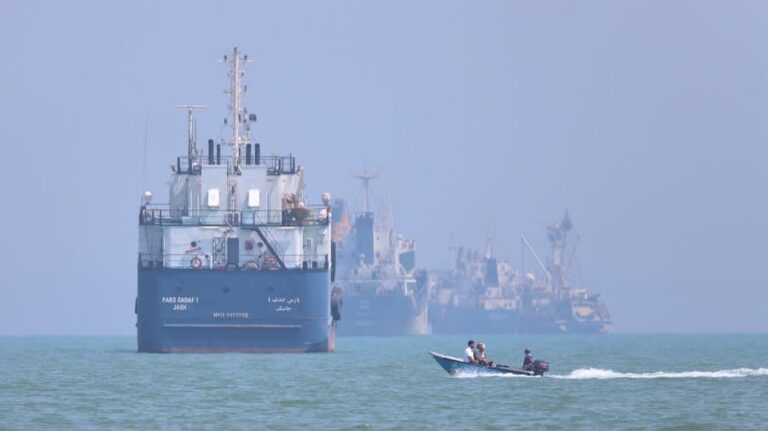
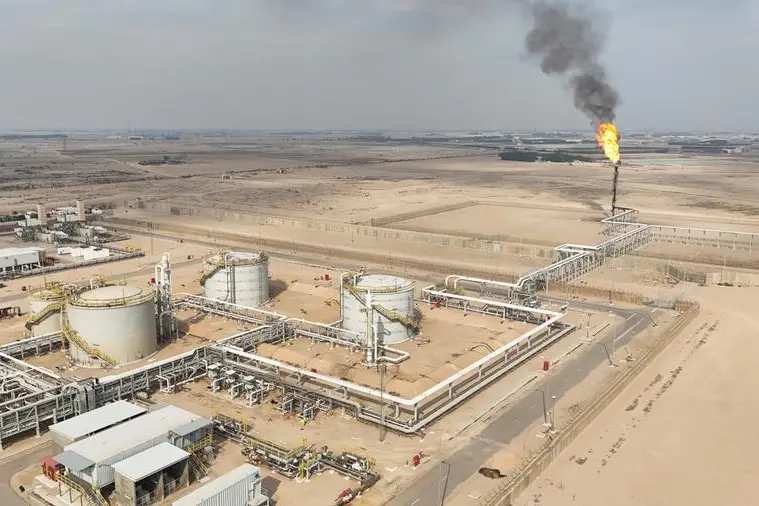
The closure of the Strait of Hormuz has choked off roughly 20% of global oil supply, sending jet fuel prices soaring — up nearly 84% since the war began on February 28, according to Reuters data cited by Iran International. The International Air Transport Association projects airline fuel expenditures will reach $350 billion in 2026, up from $252 billion in 2025. U.S. airlines alone spent 56.4% more on jet fuel in March compared to February, according to Department of Transportation data reported by CNBC.reuters
The fuel shock has translated directly into higher shipping costs for the air-freight-dependent e-commerce model. DHL Express, a major carrier for Chinese parcels, shifted to weekly fuel surcharge updates in April due to “continued volatility in the fuel market”. As of the week of June 8, DHL’s export fuel surcharge stands at 37.50%, with import surcharges reaching 41.25% — levels that can erase margins on low-value goods.dhl
The business model was already under strain before the war began. The U.S. eliminated its de minimis exemption for China and Hong Kong on May 2, 2025, subjecting all shipments — regardless of value — to duties and formal customs processing. An executive order signed on July 30, 2025, extended the suspension to imports from all countries effective August 29. Shipments that once entered duty-free now face tariffs of 54% or flat fees of up to $200 per item. The EU has also moved to abolish its €150 de minimis rule.marketplace-universe
The price increases are hitting demand from the lower-income Western consumers who form the core customer base for these platforms. PDD Holdings-owned Temu and Singapore-based Shein announced price increases for U.S. customers as early as April 2025, citing higher operating expenses from “changes in global trade rules and tariffs”. The fuel crisis has only intensified that pressure, as platforms face the choice of absorbing costs or passing them to consumers who are already stretched thin by broader inflation from the energy shock.abc7news
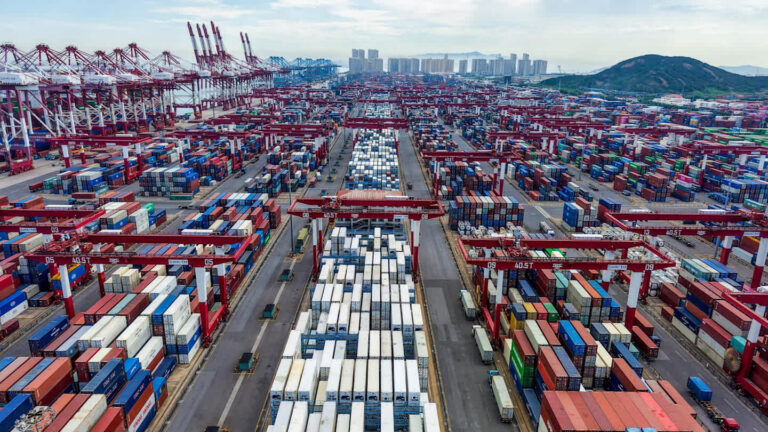
China’s overall export picture tells a similar story: March exports to the U.S. fell 26.5% year-over-year, while total export growth slowed to a six-month low.cnbc