




Newsletter Subscribe
Enter your email address below and subscribe to our newsletter

Enter your email address below and subscribe to our newsletter
All voices matter
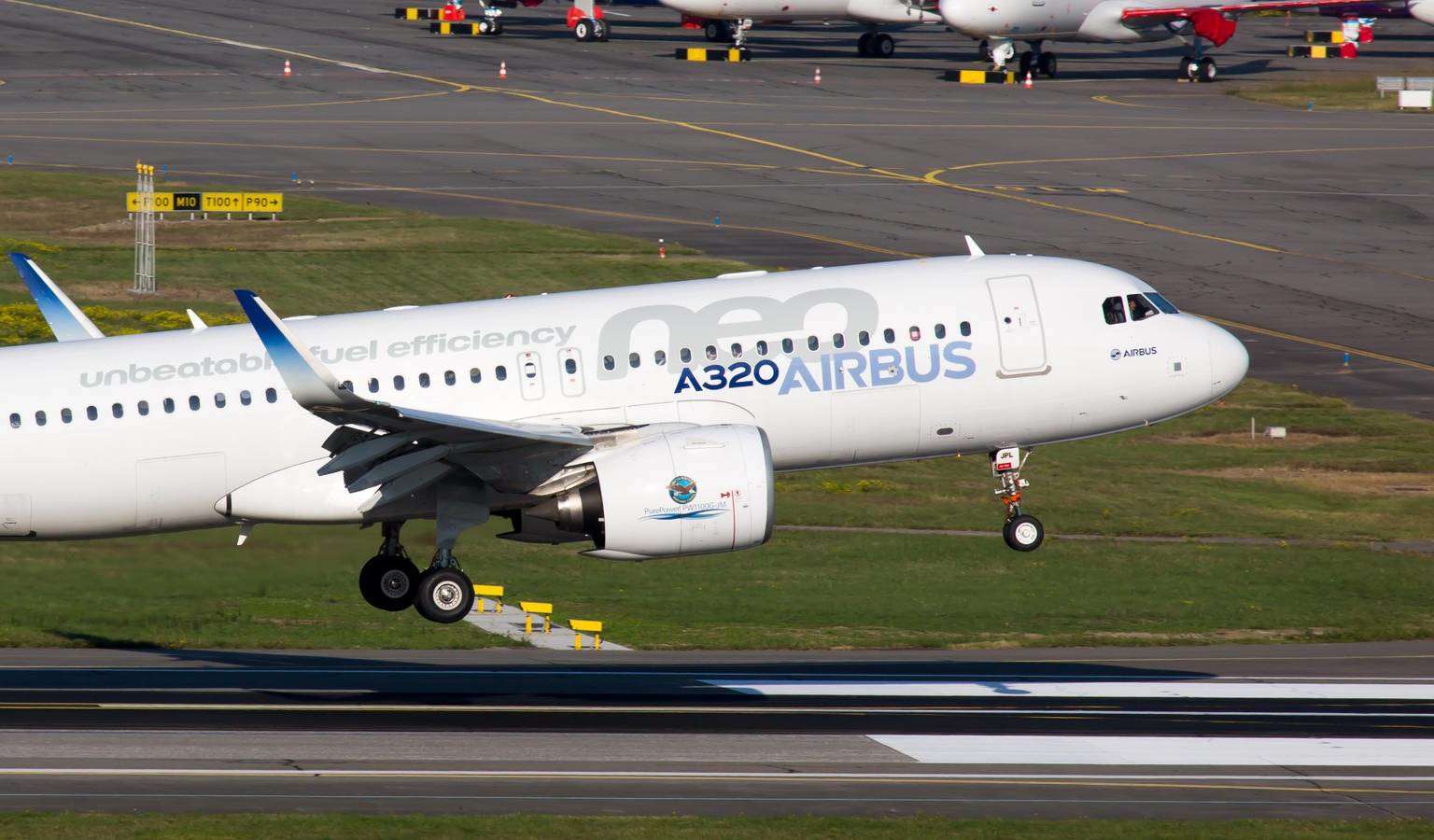
Airbus has begun notifying airline customers that deliveries of A320neo-family jets scheduled for 2027 and 2028 will slip by several months, as persistent supply chain problems continue to hamper the European planemaker’s production ramp-up plans.
The delays, first reported by Aviation Week on May 21 and confirmed by Reuters on June 7, affect the A320neo family broadly, with the A321neo — the longest and most popular variant — most impacted. According to Aviation Week, the delays span one to two months for A320neo-family aircraft and around one month on average for the A350.investing
The postponements stem from shortages of engines and structural components that have plagued the aerospace industry for years. Pratt & Whitney, which supplies the geared turbofan engine option for the A320neo family, remains a bottleneck. Airbus recorded a €2.5 billion cash outflow in the first quarter of 2026, underscoring the financial strain of navigating constrained supply lines while managing a backlog of thousands of orders.gurufocus
Airbus has long targeted a production rate of 75 A320-family aircraft per month by the end of the decade, but reaching that goal has proven elusive. Deliveries have remained below the interim target of 50 per month for much of 2025, averaging 51 aircraft per month through mid-year. In May 2026, Airbus delivered 81 aircraft across all programs to 45 customers, and CEO Guillaume Faury has acknowledged that deliveries remain “backloaded” amid supply chain challenges.facebook
Bloomberg separately reported in early June that Airbus is also falling behind on deliveries of the A321XLR, a longer-range variant, with Indian carrier IndiGo unlikely to receive its planes on time.bloomberg
The delays come as geopolitical factors add further complexity. Bloomberg reported in late May that China has been slow-walking approval of Airbus deliveries to pressure European regulators over certification of Comac jets. For airlines counting on new, fuel-efficient narrowbodies to replace aging fleets and meet growing travel demand, the postponements mean extended reliance on older aircraft and potential capacity constraints heading into the late 2020s.bloomberg