







Newsletter Subscribe
Enter your email address below and subscribe to our newsletter

Enter your email address below and subscribe to our newsletter
All voices matter
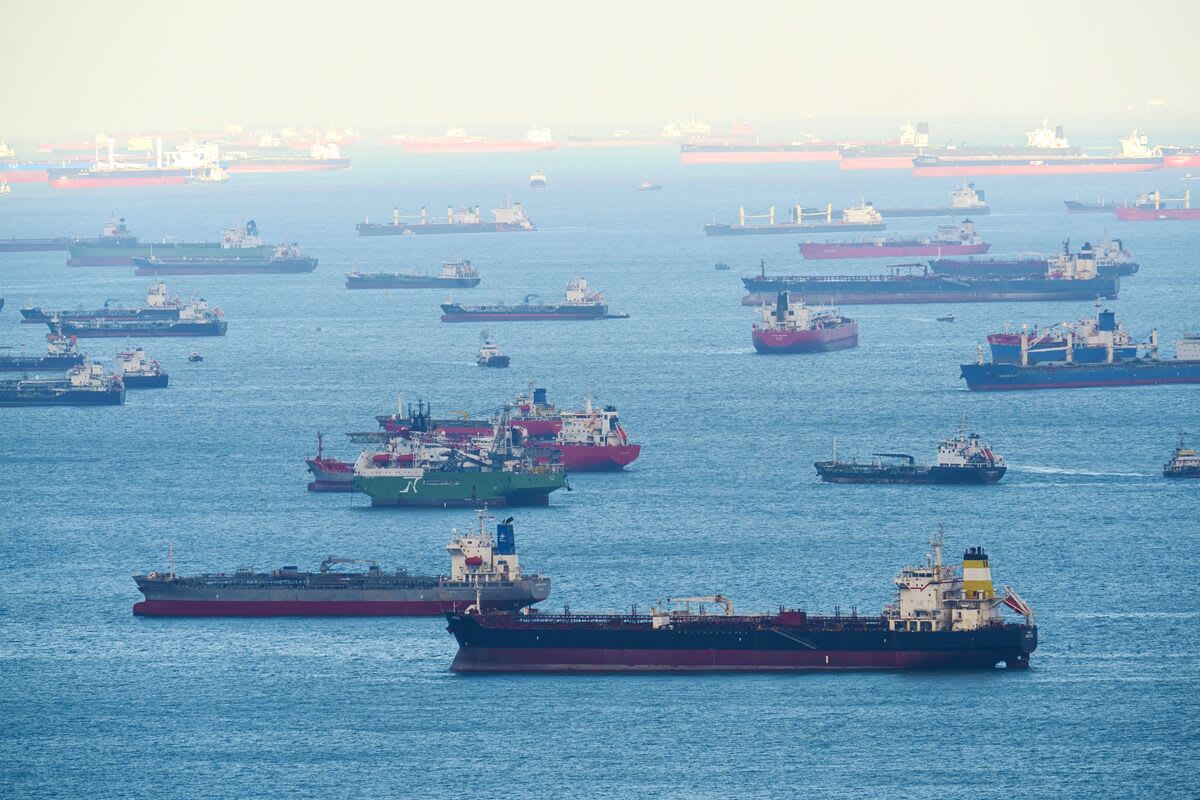
Container shipping rates from Asia to the United States have more than doubled since the US-Iran war began in late February, as rising fuel costs, port congestion at Southeast Asian hubs, and peak-season demand converge to squeeze global supply chains.
The spot rate for a standard 40-foot container from Asia to the US West Coast climbed 20% in a single week to $3,933, while rates to northern Europe jumped 27% to $3,649, according to data released Friday by Xeneta, the Oslo-based freight analytics platform. Drewry’s latest composite reading for long-haul routes confirmed short-term rates have reached their highest level in approximately a year.bloomberg
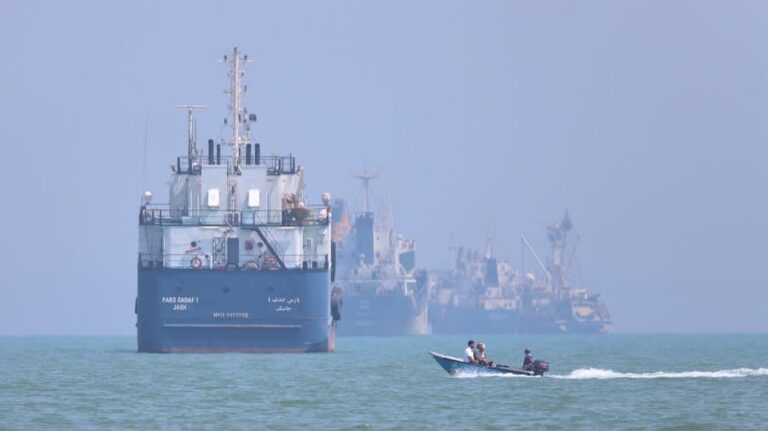
Since the US and Israel launched Operation Epic Fury against Iran on February 28, Asia-to-US container rates have risen 109%, while Europe-bound charges are up more than 50%, Xeneta’s data showed. Carriers have layered fuel surcharges and emergency fees onto base rates as bunker fuel prices remain elevated following the effective closure of the Strait of Hormuz, a chokepoint handling roughly 20% of the world’s oil and liquefied natural gas.gcaptain
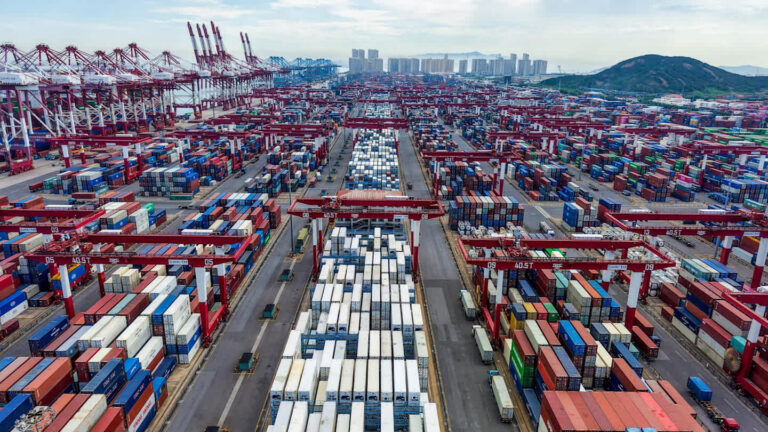
The rate spike is not driven solely by fuel costs. Shipments rerouted to avoid the Persian Gulf are creating backups at transshipment hubs in Southeast Asia, including Singapore and Malaysia’s Port Klang. That congestion is spreading capacity pressures to trade lanes that do not transit the Middle East, including the transpacific route.gcaptain
“Port disruption is toxic for supply chains, especially at transshipment hubs with global significance in Southeast Asia,” said Peter Sand, Xeneta’s chief analyst. “So this is driving massive market spikes on trades such as the transpacific which does not transit the Middle East.”gcaptain
With peak inventory-restocking season approaching in July and August, and oil prices showing no sign of retreating, analysts warn the surge may not have peaked. Sand said that if shippers move to front-load imports, carriers will push rates higher still. Maersk CEO Vincent Clerc told the BBC in March that increased transport costs would ultimately be passed on to consumers.bbc
The rising costs extend beyond ocean freight. The May reading of US transport costs in the monthly Logistics Managers’ Index showed the fastest rate of expansion for any metric in the survey’s 10-year history.gcaptain